


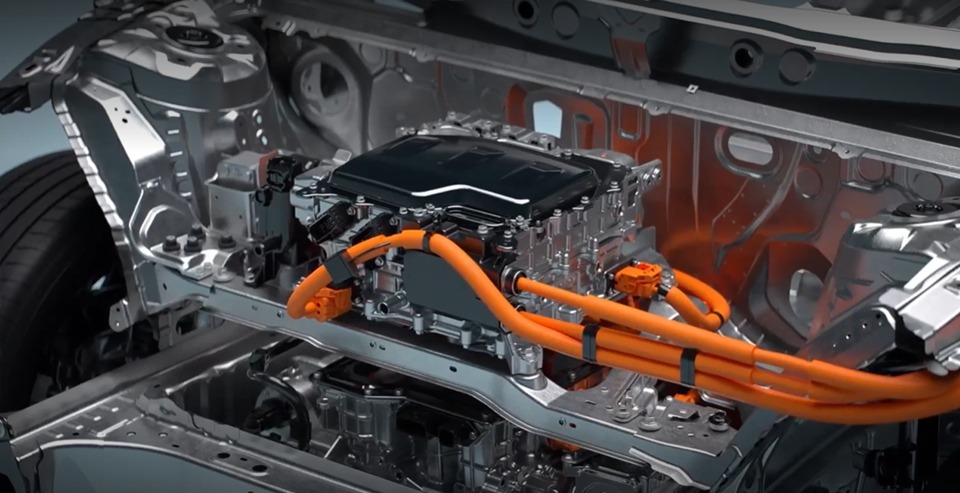
Hybrids are known for having lower maintenance needs than gas-only cars, but they still require TLC. In fact, maintenance is very important to keep your hybrid running efficiently. Toyota hybrids have electric motors and internal combustion engines, which means maintenance covers both systems. You’ll still need oil changes, but perhaps less often because the electric motor takes on some of the load. You’ll also need to take care of the battery and electric motors. This guide explores the major maintenance you need to do to keep your hybrid running smoothly for your drives around Tacoma.
Understanding the Basics of Hybrid Maintenance
Toyota hybrids still have a gasoline engine, which means they share many of the same maintenance needs as regular cars. This includes oil changes, brake inspections, and tire care. However, hybrids also have more specialized equipment, such as a high-voltage battery, electric motors, and a regenerative braking system, that needs attention. Toyota’s hybrid maintenance schedules are very similar to non-hybrid models, so it’s easy to switch over.
Why Regular Maintenance Matters for Hybrid Vehicles
Like any car, maintenance keeps everything running smoothly. It can also help prevent that minor annoyance from turning into a costly issue. For example, that regular oil change and changing the filters stops dirt from entering and damaging the engine. Similarly, maintaining the battery and braking system ensures the best possible fuel economy and reduces wear on key components.
Hybrid Battery Maintenance
The battery is perhaps the most important part of any hybrid vehicle. If you don’t take care of it, replacing the battery can be expensive, costing anywhere from $2,000 to $4,000. Fortunately, Toyota’s battery warranty covers defects or workmanship issues for 10 years or 150,000 miles, whichever comes first. To help you prevent any issues, here are some tips for taking care of your battery:
- Don’t let the battery overcharge or deplete below 20%.
- Park under cover to protect the battery from extreme temperatures, especially during hot summers and cold winters.
- Drive your hybrid regularly to charge the battery.
- Schedule regular maintenance to inspect the battery’s health.
- Choose factory-trained technicians experienced with Toyota hybrids.
Engine and Powertrain Care
Even though hybrids use their gasoline engines less often than standard cars, you’ll still need to change the engine oil at least every 12 months or at Toyota’s recommended service intervals in your owner’s manual. Regular oil changes help lubricate the engine and its parts, reducing wear and maintaining fuel efficiency. It’s also important to check that the cooling system is working properly to prevent the battery or the engine from overheating.

Brake System Maintenance
Toyota hybrids have a special regenerative braking system that uses the energy lost during braking to recharge the battery. The benefit of this system is that it helps reduce brake wear and improves efficiency. Despite the benefits, the brake pads and rotors will still wear over time, so you’ll need to check them every 5,000 miles or every six months, whichever comes first. These routine brake checks prevent expensive repairs, keep the battery charged properly, and ensure the system is working safely and efficiently.
Air Filters and Tire Maintenance
Toyota hybrids typically have three air filters: one for the engine, one for the hybrid battery cooling system, and another for the cabin. Replacing these filters once a year ensures the engine runs cleanly, protects the battery from overheating, and keeps fresh air circulating inside the car.
You’ll also need to rotate your tires every 5,000 to 7,500 miles. Additionally, it’s important to inspect your tires at least once a month, especially before any long trip. Make sure they’re filled to the right pressure and aligned properly. Hybrids often require certain tire specifications to achieve EPA-estimated efficiency, so keeping up with maintenance helps maximize fuel economy along with safety.
Maintenance Myths Specific to Hybrids
Many people think that Toyota hybrids cost more to maintain than traditional vehicles. This isn’t true. In fact, hybrid maintenance costs are comparable to or lower than those of gas cars, especially over the long term. This is because there is less wear on the brakes and the gas-powered engine. You can also rely on Toyota’s extensive experience making hybrid vehicles—they’re reliable and have manageable long-term upkeep costs.
Professional Services
Any Toyota, including a hybrid, is an investment, and it’s important to give it the care it deserves. Always use genuine Toyota parts (even though they’re more expensive) and certified service centers, such as Titus-Will Toyota. Not every service center is equipped to handle hybrids. Toyota factory-trained technicians understand how hybrid technology works and can perform specialized inspections and repairs that preserve your vehicle’s warranty and performance. If you choose a dealership or a trusted independent mechanic, always make sure they have experience working with hybrids to get the best results.
Taking Good Care of Your Toyota Hybrid
Many Toyota hybrids can last well beyond 100,000 miles. But, like any normal car, proper maintenance is essential to ensure your hybrid runs smoothly and lasts as long as possible. Follow Toyota’s recommended service schedules to take care of the hybrid battery, engine, brakes, filters, and tires. If you do, you’ll enjoy a reliable, efficient, and long-lasting vehicle. If you need any support, visit Titus-Will Toyota in Tacoma, Washington, where our knowledgeable technicians can inspect and repair your beloved car using genuine parts. Contact us to schedule a service today.
Connect with us


