


2026 Toyota Corolla Vs Honda Civic
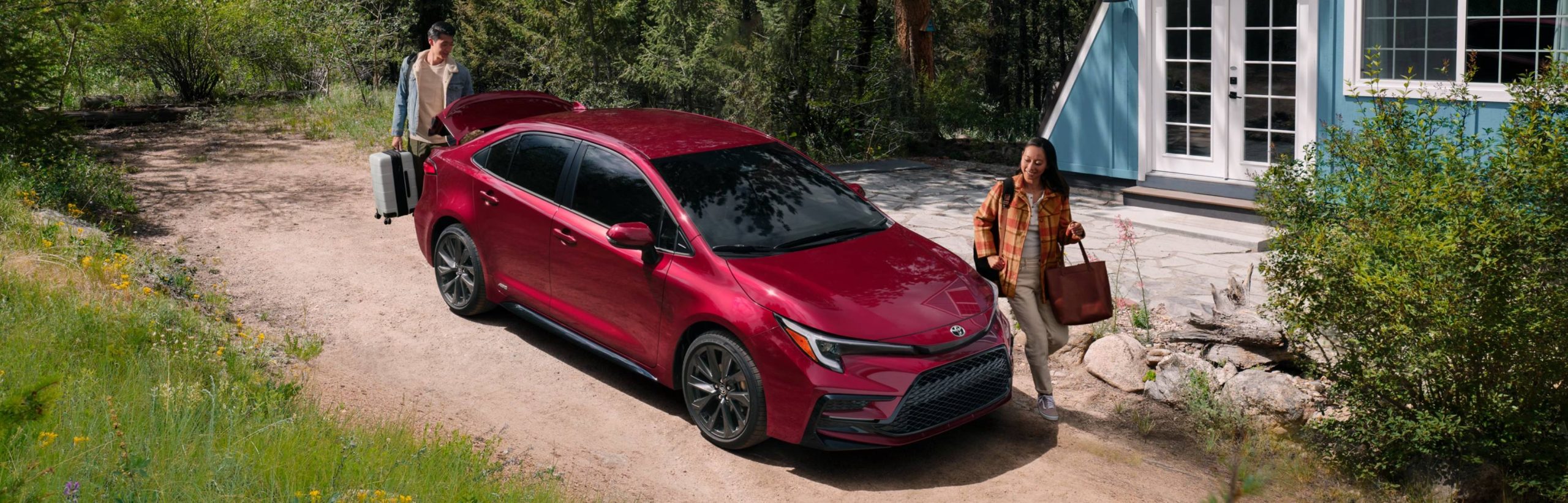
Choosing between two of the most trusted compact sedans on the market is worth doing carefully. The 2026 Toyota Corolla and the 2026 Honda Civic each bring genuine strengths, and both have earned loyal followings for good reason.
If you’re ready to skip ahead, contact our team at Titus-Will Toyota to schedule a test drive today. Otherwise, read on for an honest 2026 Toyota Corolla vs Honda Civic comparison across performance, fuel economy, technology, and interior space. This breakdown covers what you need to know.
Performance: How the 2026 Corolla and Civic Stack Up

When it comes to driving feel, the Corolla and Civic take noticeably different approaches. The standard Honda Civic LX produces 150 hp and leans into a sportier personality, with sharper steering and a more urgent feel on winding roads or highway merges. Driving enthusiasts tend to appreciate that responsiveness.
The 2026 Toyota Corolla is built around a smooth, composed ride rather than outright performance. Its standard engine produces 169 hp, more than the Civic LX, and delivers that power with quiet confidence that wears well over thousands of miles of daily driving. For commuters logging miles on I-5 or working through Tacoma’s stop-and-go traffic, that kind of stability is genuinely valuable.
The hybrid comparison shifts things noticeably. The Civic Hybrid produces 200 total system hp, making it a legitimately quick option in this segment. The Corolla Hybrid is rated at 138 hp, so buyers prioritizing hybrid performance will find the Civic has a clear edge there. If outright hybrid punch matters to you, that’s worth acknowledging honestly.
Fuel Economy: Which Compact Sedan Goes Further on a Tank?
Fuel efficiency is a top priority for most compact sedan shoppers, and the 2026 models from both brands deliver solid results. The 2026 Corolla LE earns EPA estimates of 32 city, 41 highway, and 35 combined MPG. The Civic LX posts nearly identical numbers at 32 city, 41 highway, and 36 combined MPG. In everyday use, the difference is practically negligible, and either sedan will keep your fuel costs manageable on Pacific Northwest commutes.
Where the Corolla makes a stronger case is in its hybrid powertrain. Toyota has been refining hybrid technology for over two decades, and that experience shows in real-world efficiency. The Corolla Hybrid consistently earns some of the best fuel economy ratings in the compact sedan segment, making it a smart pick for eco-conscious drivers who want to stretch every gallon without sacrificing reliability.
Whichever powertrain direction you’re leaning, we’d love to walk you through the options in person. Reach out to our team at Titus-Will Toyota to find the Corolla configuration that fits your commute and budget.
Technology and Infotainment Features Compared
Modern compact sedans come loaded with technology, and both the Corolla and Civic reflect that. The 2026 Toyota Corolla comes standard with an 8-inch touchscreen across its lineup, offering a clean and consistent experience from the base trim up. Wireless Apple CarPlay, Android Auto, and Toyota’s driver-assistance suite are all part of the standard package.
The 2026 Honda Civic takes a different approach, starting with a 7-inch display on the LX and Sport trims, then stepping up to a 9-inch touchscreen on the Sport Touring Hybrid trim, which also adds a 10.2-inch digital instrument cluster. Civic owners often praise the interface for its intuitiveness, and the larger display options are a genuine perk for buyers who plan to run navigation or streaming audio regularly.
Both vehicles include strong standard safety technology. Toyota Safety Sense covers pre-collision warning, lane departure alert, and radar cruise control, among other features. Honda Sensing offers a comparable set. For most buyers, the tech gap between these two comes down to interface preference rather than any meaningful capability difference.
Interior Comfort and Cargo Capacity
Step inside both cabins and you’ll find two well-executed interiors, though with some real differences in proportion. The Civic’s passenger volume of 99.0 cu ft gives it a meaningful advantage over the Corolla’s 88.6 cu ft, and rear-seat passengers will notice the extra breathing room on longer drives. If you regularly carry adults in the back, that’s a genuine advantage for the Civic.
Cargo space follows a similar pattern. The Civic Sedan offers 14.8 cu ft of trunk space compared to the Corolla Sedan’s 13.1 cu ft. For road trippers or families who load up the trunk regularly, the Civic’s extra room is worth noting.
The Corolla’s cabin is comfortable and well-built, with quality materials that hold up over time. The rear seat is perfectly adequate for everyday use, and the overall layout is thoughtfully designed. These size differences are real but not dramatic. Most drivers and their passengers won’t find the Corolla cramped.
What Sets Each Model Apart
Both vehicles earn their place in the compact sedan segment, but each brings something distinct to the comparison. Understanding those differences helps you figure out which one genuinely matches your lifestyle.
2026 Toyota Corolla: Distinctive Features Worth Knowing
The Corolla’s strongest calling card is its reputation for long-term reliability. Toyota consistently ranks among the top automakers for dependability according to J.D. Power, and the Corolla is central to that legacy. Kelley Blue Book regularly recognizes Toyota models for strong resale value, meaning your investment holds up better over time compared to many competitors.
Safety features are standard across most trims, so buyers get solid protection without upgrading to a higher package. For buyers drawn to the hybrid route, the Corolla Hybrid’s proven powertrain and exceptional efficiency make it an especially strong option for Pacific Northwest drivers looking to reduce fuel costs on daily commutes.
2026 Honda Civic: What It Brings to the Table
The Civic counters with a more spirited personality and a cabin that feels a touch more spacious, particularly in higher trims. Its Civic Hybrid powertrain’s 200 hp output is genuinely impressive for this segment, and drivers who enjoy a responsive, engaged feel behind the wheel will appreciate what the Civic delivers. Honda Sensing is well-regarded for accuracy and ease of use.
The Civic’s interior materials and layout also score well in owner satisfaction, particularly for the quality of soft-touch surfaces and control organization. For buyers who prioritize extra cabin room, a sportier hybrid, and a slightly more premium interior feel, the Civic makes a strong case.
Why the 2026 Toyota Corolla Is the Smarter Choice
Looking at the full picture, the Corolla builds a strong argument for long-term ownership. Toyota’s reputation for building vehicles that go the distance without major repair bills is well-documented in third-party reliability assessments from J.D. Power and Consumer Reports, and the Corolla’s strong resale value means less depreciation over time. For most everyday drivers, that combination of dependability and retained value is hard to beat.
The Civic does offer more passenger room, more cargo space, and a stronger hybrid powertrain. Those are real advantages. But buyers who care most about keeping ownership costs low and want a refined, dependable daily driver will find the Corolla covers everything that matters, without giving up the technology or safety features modern buyers expect.
The Corolla Hybrid stands out in particular for I-5 commuters and Puget Sound-area families who want to stretch every gallon. Toyota has been building hybrids longer than almost anyone, and that experience shows up in real-world fuel economy numbers that hold up year after year.
Schedule a Test Drive at Titus-Will Toyota
Experience the 2026 Corolla for Yourself
Reading about the 2026 Toyota Corolla vs Honda Civic comparison only goes so far. The best way to know which car feels right is to get behind the wheel. At Titus-Will Toyota, located at 3506 S Sprague Ave in Tacoma, WA, you can experience the 2026 Toyota Corolla firsthand in a relaxed, no-pressure environment.
Visit Us or Reach Out Online
Titus-Will Toyota has been serving the South Puget Sound community since 1938. Our team is knowledgeable, easy to talk to, and happy to walk you through trim options, hybrid configurations, and financing choices that fit your situation. We welcome drivers from Puyallup, Gig Harbor, Federal Way, Olympia, Lakewood, and throughout the region. The showroom is open Monday through Friday from 9 AM to 8 PM, Saturday from 9 AM to 7 PM and Sunday from 10 AM to 6 PM.
Schedule Your Test Drive Today
Whether you’re firmly in the Corolla camp or still weighing your options, contact our team to schedule your test drive at your convenience. We’re here to help you make a confident, informed decision.
2026 Toyota RAV4 Vs 2026 Kia Sportage
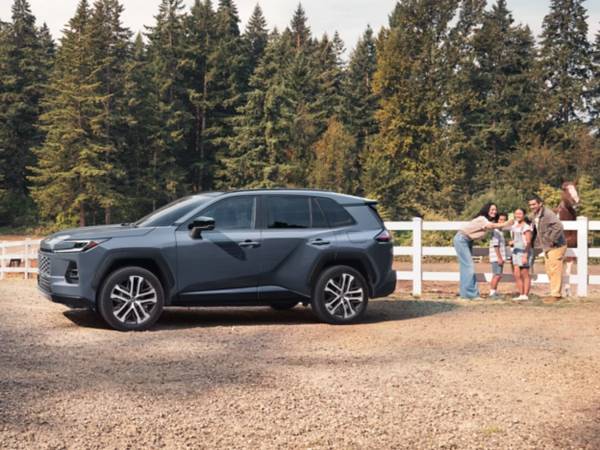
Compact SUVs occupy a sweet spot that’s genuinely hard to find elsewhere in the market. You get real-world practicality without sacrificing fuel economy, and enough comfort that the daily commute doesn’t wear on you. Two of the strongest options in this segment for 2026 are the Toyota RAV4 and the Kia Sportage, and if you’ve got both on your list, you’ve already done your homework.
Both are capable SUVs with real appeal. The Sportage brings stylish design and value-conscious features, while the RAV4 leans into its reputation for reliability and hybrid-first performance. Put them side by side, and the differences matter more than they might initially appear. This guide breaks down how they compare across performance, space, tech, and long-term value to help you decide which one actually fits your life.
Performance and Powertrain: How These Two SUVs Stack Up
Powertrain choices shape the entire ownership experience. Fuel costs, driving feel, long-term confidence behind the wheel all trace back to what’s under the hood.
Toyota Goes Hybrid-Only
For 2026, Toyota made a bold move with the RAV4: it’s now a hybrid-only model. The RAV4 Hybrid produces 226 hp in FWD configuration and 236 hp with AWD. For drivers who want even more capability, the RAV4 Plug-in hybrid reaches 324 combined hp. Toyota has been refining hybrid systems since the late 1990s, and that depth of development shows in how the RAV4 drives.
Kia’s Powertrain Options
The Kia Sportage offers more powertrain variety. The standard gas engine produces 187 hp, while the Sportage Hybrid steps up to 232 hp. That flexibility appeals to buyers who prefer a conventional drivetrain or want to choose their level of electrification. When comparing the hybrid variants directly, though, the RAV4 Hybrid’s more powerful and better-developed system gives it a noticeable edge in real-world responsiveness.
Towing Capacity: Where the RAV4 Pulls Ahead
Towing is one of the clearest advantages in this comparison. The RAV4 can tow up to 3,500 lbs when properly equipped with AWD, or 1,750 lbs in FWD configuration. The Sportage Hybrid tops out at 2,000 lbs, and the gas Sportage reaches 2,500 lbs.
For outdoor enthusiasts in the Pacific Northwest who haul boats, campers, or equipment trailers, that gap is meaningful and worth factoring into the decision.
Cargo and Interior Space: Room for Your Real Life
Interior space is one of the most scrutinized categories in any vehicle comparison, and the Sportage holds a genuine edge here. Behind the rear seats, the Sportage offers 39.5 cubic feet of cargo space, expanding to 73.7 cubic feet with the rear seats folded. The RAV4 comes in at 37.8 cubic feet behind the rear seats and 70.4 cubic feet fully folded, a real difference, though not a dramatic one in daily use.
Toyota designed the RAV4’s cargo area with a practical, square floor that makes packing efficient, and the cabin layout is well-organized for families loading gear on the way to the trailhead. The Sportage may offer more raw cubic footage on paper, but real-world usability in the RAV4 is competitive. Rear seat passengers may find slightly more legroom in the Sportage on longer drives, and that’s worth acknowledging honestly.
For most day-to-day use, school runs, grocery stops, weekend road trips, the RAV4’s cabin is generous and well-organized.
Technology and Infotainment: Smarter Where It Counts
Both vehicles come loaded with modern technology. Kia equips the Sportage with a standard 12.3-inch touchscreen and a 12.3-inch digital instrument cluster, along with standard wireless Apple CarPlay and Android Auto. The layout feels modern and easy to navigate.
The RAV4 comes standard with a 10.5-inch touchscreen, with a 12.9-inch display available on higher trims. It also features a 12.3-inch digital instrument cluster across all models, plus wireless Apple CarPlay and Android Auto compatibility and over-the-air update capability. The Sportage’s standard screen is larger, which is worth noting. The RAV4’s infotainment system, though, is stable and responsive. For buyers who want their tech to work without fussing over it, the RAV4 delivers that consistently.
On the safety technology front, Toyota Safety Sense is standard across every RAV4 trim. Lane departure warning, automatic emergency braking, and adaptive cruise control are all included even on entry-level configurations. Kia DriveWise provides a comparable suite on the Sportage. Both vehicles take driver assistance seriously, and neither buyer has to pay extra to get meaningful safety coverage.
Reliability and Long-Term Value: The Toyota Advantage
When buyers ask which brand holds up better over time, reliability is where Toyota consistently wins the argument. Toyota’s track record for building durable, long-lasting vehicles is among the most well-documented in the automotive industry. The RAV4 specifically has ranked among the most reliable compact SUVs on the market across multiple model years, with strong scores from J.D. Power quality studies and consistently high owner satisfaction ratings.
Resale value follows reliability closely, and the RAV4 holds its value exceptionally well. That translates to a lower total cost of ownership when you factor in depreciation alongside fuel costs and maintenance. Kia has improved its reliability standing in recent years, and the Sportage is a better-built vehicle than its predecessors.
The RAV4’s stronger depreciation curve and longer reliability track record still make it the smarter long-term buy for drivers who plan to own their vehicle for several years or want strong trade-in value down the road.
Why the 2026 Toyota RAV4 Is the Better Choice
Looking at the full picture, the RAV4 earns its top spot for several compounding reasons. Its hybrid-only lineup delivers efficient, refined power that keeps everyday fuel costs down. With up to 3,500 lbs of towing capacity in AWD trim, it’s a genuine utility vehicle for active families, not just a commuter. The reliability record and resale value make it a financially sound choice over time, and Toyota Safety Sense across all trims means buyers at every price point get serious safety technology as standard.
Those advantages connect directly to how drivers in Tacoma, Puyallup, Lakewood, Gig Harbor, Federal Way, and Olympia actually use their vehicles. I-5 commuters benefit from the RAV4 Hybrid’s fuel efficiency during heavy stop-and-go traffic. Families heading to Mount Rainier or the Olympic Peninsula appreciate the towing capability and cargo flexibility. Pacific Northwest winters make AWD a practical necessity, and the RAV4’s available AWD hybrid system handles those conditions with a level of confidence the Sportage Hybrid’s lower tow rating and less-developed hybrid technology can’t fully match. For outdoor enthusiasts near Gig Harbor or heading into the Cascades, that added capability adds up across a full year of ownership.
The Sportage is a genuinely good SUV. Its cabin space, standard large touchscreen, and powertrain variety make it worth a serious look, particularly for buyers who need every inch of interior room or prefer a gas-only option. Weighed against the RAV4’s full range of ownership priorities across efficiency, towing, safety, reliability, and long-term value, though, the RAV4 consistently comes out ahead.
Schedule a Test Drive at Titus-Will Toyota
Reading specs and comparisons is a great starting point, but nothing replaces sitting behind the wheel. We’re here to help you experience the 2026 RAV4 firsthand in a no-pressure environment. Located at 3506 S Sprague Ave in Tacoma, WA, we’ve been a trusted part of the South Puget Sound community since 1938, and that history shows in how we work with every customer who comes through our doors.
Whether you want to explore the RAV4’s hybrid performance, compare available trims, or talk through your financing options, our team is ready to help. To set up your visit or ask questions before you arrive, contact our team at Titus-Will Toyota and we’ll get you behind the wheel of a 2026 RAV4.
2026 Toyota RAV4 Vs 2026 Honda CR-V
Compact SUVs have become the default choice for drivers who want versatility without the bulk of a full-size vehicle. Two names keep coming up in that conversation: the Toyota RAV4 and the Honda CR-V. Both are well-built and practical, but when you dig into a real 2026 Toyota RAV4 vs 2026 Honda CR-V comparison, the differences become clear, and they matter more than most buyers expect. If you want to see those differences in person, we invite you to stop by Titus-Will Toyota in Tacoma and take a 2026 RAV4 for a test drive.
The CR-V brings a refined interior and a comfortable ride that earns genuine praise. The RAV4 brings something broader: a hybrid-first powertrain lineup, stronger towing numbers, and a technology package built for modern drivers. For families in the Tacoma area and beyond, knowing exactly what separates these two can make the decision a whole lot easier.
Performance and Powertrain: RAV4’s Hybrid-First Strategy Wins
Powertrain options shape the ownership experience more than almost anything else. For 2026, Toyota has made its position clear: the RAV4 lineup is hybrid-only. Every 2026 RAV4 is either a standard hybrid or a plug-in hybrid, across trims including LE, XLE Premium, Limited, Woodland, SE, XSE, and GR SPORT. There is no gas-only RAV4 for 2026.
RAV4 Hybrid and Plug-In Hybrid: Clean Power With Purpose
The RAV4 Hybrid delivers up to an EPA-estimated 47 mpg city and 40 mpg highway on certain trims, with combined ratings reaching up to 43 MPG combined on FWD configurations. AWD comes standard on most hybrid trims, so you’re not trading capability for efficiency. The RAV4 Plug-in Hybrid goes further, offering a meaningful electric-only driving range that allows many daily commuters to run mostly on electricity, with a gasoline engine available for longer trips.
Transitions between electric and gasoline power happen without driver input, so the ride stays smooth. The hybrid system’s horsepower and torque also exceed what you’d typically find in a standard gasoline compact SUV, which gives the RAV4 a driving feel that’s genuinely spirited rather than just fuel-conscious.
CR-V’s Mixed Powertrain Lineup: More Options, Less Focus
The 2026 CR-V offers three powertrain paths: a 1.5-liter turbocharged gas engine producing 190 hp and 179 lb-ft of torque, a hybrid producing 204 hp and 247 lb-ft, and an e:FCEV hydrogen plug-in hybrid available only as a California lease. For most shoppers outside California, the real-world options come down to gas or hybrid.
The CR-V hybrid is a solid vehicle, but Honda still treats gas as the default powertrain, with hybrid as an upgrade. There’s no conventional plug-in hybrid option available to buyers nationwide. For anyone prioritizing an electrified driving experience, that gap matters. The RAV4’s full commitment to hybrid power across every trim gives it a clear lead here.
Towing Capacity: A Category Where the RAV4 Pulls Ahead
Towing capacity might not be the first spec you check when shopping for a compact SUV, but for buyers who haul gear, pull a trailer, or get a boat on the water on weekends, it becomes a deciding factor fast.
The 2026 RAV4 is rated to tow up to 1,750 lbs on FWD and base AWD LE configurations, and up to 3,500 lbs on all other AWD configurations when properly equipped. The CR-V gas model is rated for up to 1,500 lbs, while the CR-V hybrid drops to just 1,000 lbs. That gap isn’t subtle.
If you’re planning to tow a pop-up camper or a utility trailer, the RAV4 is simply the more capable choice. For adventurous families or anyone using their SUV as a working vehicle on weekends, that difference is significant.
Cargo Capacity: Comparing Interior Practicality
Cargo space is where the everyday usefulness of a vehicle really shows up. The RAV4 offers 37.8 cu ft of cargo space with the rear seats up and 70.4 cu ft with the seats folded. Those are solid numbers for everyday hauling, whether you’re loading up after a Costco run or packing for a weekend trip.
To be straightforward about it: the CR-V holds a genuine advantage in maximum cargo volume, reaching up to 76.5 cu ft with the seats folded. If raw storage space is your top priority, the CR-V’s edge is real and worth acknowledging.
Cargo volume is only one part of the equation, though. The RAV4’s towing capacity more than doubles the CR-V hybrid’s rated limit, which matters the moment your gear doesn’t fit inside the vehicle. Pair that with the RAV4’s hybrid efficiency and its wide, square cargo opening that makes loading awkward items straightforward, and you have a vehicle suited to more of what real families actually need. For buyers balancing cargo space with weekend capability and fuel savings, the RAV4 is the better-rounded choice.
Technology: How Each SUV Handles the Connected Driver
Both vehicles are well-equipped for the connected driver, but the RAV4’s technology package is built to complement its electrified mission. The 2026 RAV4 features available touchscreen displays of 10.5 or 12.9 inches depending on trim, with wireless Apple CarPlay and Android Auto compatibility and over-the-air update capability on select configurations. The interface is intuitive, and the learning curve for new owners is genuinely short.
Toyota Safety Sense comes standard across the RAV4 lineup and includes pre-collision warning with pedestrian detection, adaptive cruise control, lane departure alert with steering assist, and automatic high beams. Buyers don’t have to upgrade to a higher trim to get meaningful safety technology.
The CR-V includes Honda Sensing as a standard package with a comparable set of safety features, so both vehicles score well on that front. Where the RAV4 creates more separation is in how its connected features support real-time energy monitoring and trip planning for hybrid drivers. For drivers who want their technology to work with their powertrain rather than just sit alongside it, the RAV4’s integration stands out.
If you’d like to experience the RAV4’s technology suite hands-on before making a decision, contact our team at Titus-Will Toyota to schedule a test drive at your convenience.
The 2026 Toyota RAV4 Is the Clear Choice. See It at Titus-Will Toyota
After working through each category in this 2026 Toyota RAV4 vs 2026 Honda CR-V comparison, the RAV4 holds the stronger position across the areas that matter most. Its hybrid-first lineup delivers cleaner and more efficient driving for every buyer, not just those who opt up. Its towing capacity reaches 3,500 lbs on select AWD configurations, more than tripling the CR-V hybrid’s 1,000-lb rating. And while the CR-V earns credit for its cargo volume advantage, the RAV4’s broader capability makes it the better-rounded choice for most families and active drivers.
The CR-V is still a well-made, comfortable vehicle. The 2026 RAV4, though, does more across more situations and reflects where Toyota’s engineering focus is clearly pointed.
We’ve been helping Tacoma-area drivers find the right vehicle since 1938, and we’d be glad to walk you through the full 2026 RAV4 lineup in person. Stop by Titus-Will Toyota at 3506 S Sprague Ave, call us at 253-319-2395, or reach out to Titus-Will Toyota online to schedule your test drive today.
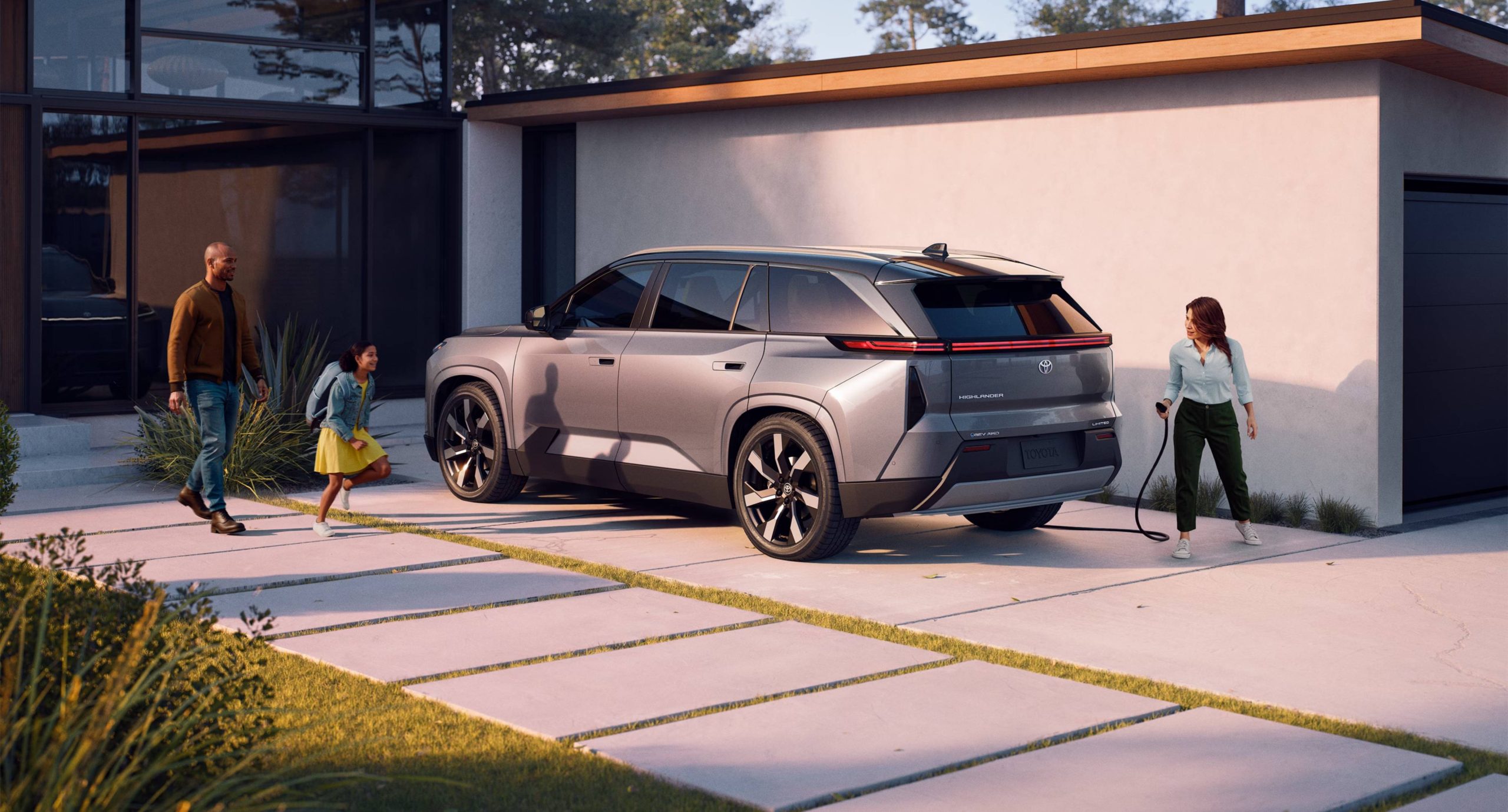
If you’ve been following Toyota Highlander news lately, you already know something significant is coming. The shift from the 2026 model to the 2027 isn’t a minor refresh. It’s one of the most meaningful changes the Highlander has seen in years, and the heart of that change is the powertrain itself.
Whether you’re shopping right now or trying to decide if the 2027 is worth the wait, here’s a clear breakdown of how these two generations actually compare. You can also browse our current 2026 Highlander inventory if you want to see what’s available in Tacoma today.
The Biggest Change Between Generations: Gas and Hybrid vs. Fully Electric
The headline difference isn’t a new color or a bigger screen. It’s the powertrain. The 2026 Toyota Highlander continues as a gas-powered and hybrid SUV, while the 2027 Highlander is expected to arrive as Toyota’s first fully electric BEV in this segment. That’s a fundamental shift in how the SUV is designed, driven, and refueled.
This raises real questions for buyers. Do you want proven powertrain options you can drive home today, or are you ready to commit to an all-electric Highlander when it arrives?
2026 Highlander Powertrain Options
The 2026 gives buyers two powertrain paths. The gas configuration pairs a 2.4-liter turbocharged 4-cylinder, producing 265 horsepower and 310 lb-ft of torque, with an 8-speed automatic transmission and standard AWD. Gas trims span XLE, XSE, Limited, and Platinum.
The hybrid uses a 2.5-liter 4-cylinder paired with electric motors, producing 243 combined horsepower through a CVT, also with standard AWD. The big draw is efficiency: up to 35 MPG combined, which makes it a genuinely practical choice for families covering real distances around Puyallup, Lakewood, or Gig Harbor. Hybrid trims are available in XLE, Limited, and Platinum.
2027 Highlander: Toyota’s First BEV Highlander
Based on official announcements, the 2027 Toyota Highlander is expected to arrive fully electric in two configurations. The base XLE uses a single front-mounted motor producing 221 horsepower and 198 lb-ft of torque, paired with a 77-kWh battery and an estimated 287 miles of range. Worth noting: this base configuration is FWD rather than AWD, which is a reversal from what the 2026 offers as standard.
The AWD configuration steps up considerably. Toyota expects dual motors producing 338 horsepower, with 198 lb-ft of torque from the front motor and 125 lb-ft from the rear motor, a larger 95.8-kWh battery, and an estimated 320 miles of range. For buyers who want both performance and all-weather capability, that AWD setup is genuinely compelling.
Driving Range: Fueling Up vs. Plugging In
The daily ownership experience will feel different in one very immediate way: how you replenish range. With the 2026 gas or hybrid models, you’re stopping at a gas station for a few minutes. The hybrid’s 35 MPG efficiency means fewer stops overall, and the turbocharged gas engine keeps performance strong without hurting you too badly at the pump.
The 2027 changes that dynamic entirely. Toyota expects DC fast charging to bring the battery to 80% in roughly 30 minutes, with Level 2 home charging available for overnight top-ups. For most drivers in the Tacoma area, starting every morning with a full charge is genuinely convenient. If you’re commuting from Federal Way or Olympia daily, plugging in overnight and waking up to 287 to 320 miles of range may fit your routine well.
The practical question is charging infrastructure readiness. Fast charging stations are expanding across the region, but setting up home charging is an upfront consideration worth thinking through before the 2027 arrives.
Trim Levels: A Broader 2026 Lineup vs. a Streamlined 2027
2026 Highlander Trim Structure
The 2026 Highlander offers four gas trims (XLE, XSE, Limited, Platinum) and three hybrid trims (XLE, Limited, Platinum), giving buyers real room to match features to budget. That breadth is useful if you want a precise fit without overpaying for things you don’t need.
We currently have several of these grades in stock, so explore available 2026 Highlander models to see what’s on the lot right now.
2027 Highlander’s Two-Grade Structure
The 2027 trims down to just two grades: XLE and Limited. That’s a significant simplification, but both grades are expected to be well-equipped from the start. Less decision fatigue, and Toyota has concentrated a strong feature set into each rather than spreading things thin across many tiers.
The XLE is expected to include a 14.0-inch touchscreen, a 12.3-inch digital gauge cluster, wireless charging pads, USB-C ports throughout the cabin, and Toyota Safety Sense 4.0. The Limited adds a head-up display, ventilated front seats, heated second-row seats, rear sunshades, Advanced Park, Traffic Jam Assist, a Panoramic View Monitor, Lane Change Assist, Front Cross Traffic Alert, and side-view mirrors with memory and reverse tilt.
Both grades are expected to offer 64-color customizable ambient lighting with six mood settings and an available fixed glass panoramic roof that Toyota describes as the largest in its lineup.
Passenger Capacity and Third-Row Space
Both the 2026 and 2027 Highlanders are designed as three-row SUVs. The 2026 can seat up to eight passengers with an available second-row bench seat, while the 2027 seats up to seven, with six as standard (second-row captain’s chairs) and an available bench seat bringing that to seven. The 2026 already earns solid marks for third-row usability within its class.
Cargo figures reflect the roomier platform as well. Toyota expects 15.9 cubic feet behind the third row and over 45 cubic feet when the third row is folded flat. For families loading up for a weekend in Gig Harbor or a longer road trip, that capacity matters.
Technology and Infotainment: What’s Changing
The 2026 Highlander delivers a capable tech package for its generation: Toyota’s current infotainment system, Apple CarPlay, Android Auto, and Toyota Safety Sense 2.5+, covering pre-collision warning, lane departure alert, automatic high beams, and radar cruise control.
The 2027 takes a clear step forward. The upgrade to Toyota Safety Sense 4.0 brings meaningfully enhanced driver assistance over what the 2026 offers, and the 14.0-inch touchscreen with a 12.3-inch digital gauge cluster on the base XLE alone makes the cabin feel considerably more modern. The Limited’s additions, including Traffic Jam Assist, Lane Change Assist, and the Panoramic View Monitor, push the driver-assist package into territory that would’ve been premium-only just a few years ago.
For tech-forward buyers, the 2027 is a more future-oriented platform. For buyers who want a capable, well-rounded SUV today, the 2026’s technology holds up well.
Should You Buy the 2026 Now or Wait for the 2027?
This is the question we hear most from Highlander shoppers right now, and honestly, the answer depends on your situation.
If you need a reliable, versatile three-row SUV in the near term, the 2026 is a strong choice without compromise. The hybrid’s 35 MPG combined, standard AWD across both powertrains, and a full four-trim lineup give you real flexibility. Families who need a vehicle before late 2026 or early 2027, when Toyota expects the new model to arrive, shouldn’t feel like they’re settling.
If you’re drawn to the BEV ownership experience, excited about the 2027’s expanded dimensions, or specifically want Toyota Safety Sense 4.0 and the updated tech package, waiting makes sense if your timeline allows. The key practical question is EV readiness: do you have access to Level 2 home charging, and are you comfortable with the DC fast charging infrastructure available in the Tacoma area? If yes to both, the 2027’s estimated 320 miles of AWD range and 30-minute fast-charge capability start to look very practical for everyday life.
Buyers with timeline flexibility who genuinely want to go all-electric have good reasons to wait. Buyers facing an expiring lease, an aging vehicle, or an immediate need for third-row capacity will find the 2026 ready to deliver right now.
Schedule a Toyota Highlander Test Drive at Titus-Will Toyota
The most useful thing you can do at this stage is get behind the wheel. At Titus-Will Toyota, you can experience the 2026 Highlander firsthand, sit in all three rows, and get real answers about what fits your family’s life.
Titus-Will Toyota has been serving the Tacoma community and the broader South Puget Sound area since 1938. The dealership is located at 3506 S Sprague Ave in Tacoma, WA, and the team offers a straightforward, no-pressure environment where your questions get direct answers. Showroom hours are Monday to Friday, 9:00 AM to 8:00 PM; Saturday, 9:00 AM to 7:00 PM; and Sunday, 10:00 AM to 6:00 PM.
Whether you’re ready to move forward on a 2026 today or want to talk through the 2027 timeline, we’re happy to help. Contact our team to schedule a test drive or ask questions about either model. There’s no better way to make a confident decision than talking to people who actually know these vehicles well.
Top Summer Events in Seattle for 2026

Seattle in the summer is something else entirely. The gray skies give way to long, golden days, the waterfront buzzes with energy, and the city’s neighborhoods transform into stages for some of the best festivals in the Pacific Northwest.
If you’re based in Tacoma and looking for a genuinely memorable summer, extraordinary entertainment is less than an hour’s drive away. Whether you’re chasing live music, celebrating culture, or hunting down the best food in the region, Seattle’s 2026 summer lineup has something that’ll make the trip more than worth it.

Why Seattle Makes the Perfect Summer Day Trip from Tacoma
Tacoma residents have a real advantage when it comes to exploring Seattle’s summer scene. The two cities sit comfortably close along I-5, making it easy to hop up for a Saturday festival and still be home in time for dinner, or stretch it into a full weekend getaway. Seattle’s neighborhoods each carry their own personality, from the historic maritime feel of Ballard to the eclectic energy of Capitol Hill, so every visit tends to feel fresh.
Visiting in July or August means long daylight hours, warm temperatures, and the kind of outdoor atmosphere that makes every event feel more alive. Waterfront parks, iconic piers, and sprawling green spaces serve as natural backdrops for events that blend urban culture with Pacific Northwest charm. That combination of accessibility and variety is exactly what keeps drawing South Sound residents back, summer after summer.
Music and Arts Events You Won’t Want to Miss
Seattle has always punched above its weight in music. The city that gave the world grunge continues to nurture extraordinary talent, and each summer that creative spirit spills into the streets through large-scale festivals that blend live performance, visual art, and genuine community energy. For anyone serious about catching a summer music festival here, two events stand above the rest.
Capitol Hill Block Party 2026
The Capitol Hill Block Party is one of those rare festivals that manages to feel both massive and intimate at the same time. Running August 7–9 across multiple outdoor stages and beloved indoor venues like Neumos and Barboza, this three-day event packs in over 100 performances from artists spanning hip-hop, electronic, rock, and R&B. The 2026 lineup includes MUNA, Wet Leg, Magdalena Bay, Parcels, Disco Lines, Tinashe DJ Set, DJ Trixie Mattel, Zack Fox, and Amber Mark, among many others.
What makes it especially worth the drive is the neighborhood itself. Capitol Hill’s restaurants, bars, and boutiques are all within walking distance, so the festival naturally spills into the surrounding streets. The sheer density of the programming means you’re rarely waiting long between sets, and the mix of outdoor stages and intimate indoor rooms lets you curate the experience based on your mood. Tickets tend to sell out fast, so lock in your spot early.
Bumbershoot Music and Arts Festival 2026
Now in its 53rd year, Bumbershoot holds a special place in Seattle’s cultural identity. Held September 5–6 over Labor Day weekend, the festival spreads across a 74-acre campus at Seattle Center, set beneath the Space Needle. It’s not just a concert; it’s a full cultural weekend spanning music, visual arts, performance, and culinary programming all in one place.
Ticket options include General Admission, GA with re-entry, and Deluxe passes, and children 12 and under are admitted free with a ticketed adult. One notable addition for 2026 is the new “Sip & Stroll” open-container experience, which lets you wander the grounds with a drink in hand. For Tacoma families or friend groups looking for a summer experience that genuinely checks every box, the Bumbershoot festival is the place to end the summer right.
Seattle’s Beloved Cultural Celebrations
Seattle’s cultural calendar reflects a city that genuinely celebrates its diversity. Beyond the music festival circuit, the city hosts large-scale community events that carry real emotional weight, drawing hundreds of thousands of attendees and creating shared experiences that locals look forward to all year.
Seattle Pride 2026
Seattle Pride is one of the most joyful and visually spectacular events you’ll find anywhere in the Pacific Northwest. The Seattle Pride Parade takes over downtown on Sunday, June 28, running from 11:00am to 3:30pm starting from Westlake Park to Seattle Center, drawing enormous crowds of participants and spectators alike. The event celebrates LGBTQ identity, rights, and community, with local artists, musicians, and organizations all taking part.
Following the parade, PrideFest at Seattle Center is recognized as one of the nation’s biggest Pride festivals and is still 100% free for all. Hundreds of vendors, food and drink options, and entertainment on three stages make it a full day’s worth of celebration on its own. For allies and community members alike, the combination of the parade and PrideFest makes for one of the most inclusive and genuinely uplifting days on Seattle’s summer calendar.
Seafair 2026
If any event could be called Seattle’s signature summer festival, it’s Seafair. Now in its 76th year, Seafair spans a full 10 weeks, encompasses 40+ individual events, and draws over 2 million attendees across the season. The centerpiece is Seafair Weekend Festival, running Friday through Sunday, July 31 through August 2, 2026, with gates open from 8:30am to 6pm at Genesee Park and the Lake Washington waterfront. Friday General Admission is free courtesy of Windermere Real Estate.
The Boeing Seafair Air Show brings the Blue Angels roaring overhead alongside the U.S. Army Golden Knights, and the Apollo Mechanical Cup hydroplane races deliver a different kind of spectacle on the water, with H1 Unlimited hydroplanes reaching speeds up to 220 mph just offshore. There’s a particular electricity to watching those boats tear across Lake Washington with the skyline behind them, crowds packed along the shore in every direction. Seafair is the kind of event families return to year after year, and planning your South Sound summer around it means accessing multiple events in a single visit.
Food and Drink Festivals Worth the Drive
Seattle’s culinary scene has earned serious national recognition, and summer is when that reputation really gets to show off. The city’s food festivals draw vendors and chefs from across the region, offering the kind of sampling experience that’s hard to replicate anywhere else.
Bite of Seattle 2026
Now in its 41st year, Bite of Seattle delivers exactly what the name promises. Set at Seattle Center July 24–26, this popular festival brings together 300+ food vendors, retail pop-ups, craft beer and wine tastings, and 50+ musical artists across the weekend. Best of all, admission is free.
A standout feature is The Bite Cooks, a dedicated stage for cooking demonstrations and friendly competitions featuring local chefs. The range of options is genuinely impressive, from upscale restaurant previews to beloved street food staples, reflecting Seattle’s rich, multicultural food culture. Whether you’re a dedicated foodie or just someone who appreciates a great meal in a lively outdoor setting, this one consistently delivers.
Ballard Music & Seafoodfest 2026
Ballard has always had deep maritime roots, and every summer that heritage gets a delicious celebration at Ballard Music & Seafoodfest. The 52-year-old neighborhood festival runs July 10–12, with full programming Saturday and Sunday, July 11–12, and draws 75,000+ attendees annually.
The food lineup leans into Ballard’s Scandinavian and fishing heritage with alder-smoked salmon BBQ alongside 50+ additional food vendors covering everything from chowder to street snacks. Arts and crafts booths, live concerts, and headliner performances each evening round out a festival that genuinely appeals across age groups. The neighborhood itself adds to the experience: Ballard’s independent shops and breweries make for great pre- or post-festival exploring.
Tips for Planning Your Seattle Summer Weekend from Tacoma
Getting the most out of a Seattle summer trip starts with a little advance planning. Here’s what to keep in mind:
- Check WSDOT’s traffic alerts before heading north on I-5, especially on summer weekends. Event days near Seattle Center and Lake Washington can significantly affect northbound travel times, and leaving earlier or later than peak hours makes a real difference.
- Parking near Seattle Center venues fills fast for events like Bite of Seattle and Bumbershoot. Consider parking further south and using Link Light Rail or a rideshare to cover the last stretch, which also makes the return trip less stressful.
- For Lake Washington events like Seafair Weekend, the Genesee Park area gets crowded early. Arrive well before the air show or races begin, and check whether nearby street parking is restricted for the event footprint.
- Transit from south King County via Sound Transit’s Link Light Rail connects directly to downtown Seattle and Seattle Center, making it a practical option if you’re traveling without gear.
- For high-demand events like Capitol Hill Block Party and Bumbershoot, purchase tickets as soon as they go on sale. Both festivals have historically sold out before event weekend.
- Seattle summers are mild but can shift unexpectedly. Pack a light layer even when the forecast looks clear, especially for evening performances.
Hit the Road Worry-Free with Titus-Will Toyota
Planning a Seattle summer from Tacoma means you’ll be putting miles on your vehicle, and there’s no better time to make sure it’s road-ready. A quick pre-summer service appointment covers the basics: oil change, tire check, brakes, and fluids so that the I-5 drive feels as effortless as it should.
Whether you’re heading up for one event or building a full summer itinerary around several, knowing your vehicle is in solid shape makes every trip easier. Contact Titus-Will Toyota to schedule your service appointment before the season kicks off. Seattle’s best summer events are waiting, and getting there smoothly is the first part of a great day.
Top Weekend Getaways in Tacoma in Spring 2026
As the signature Pacific Northwest rain gives way to budding flowers and longer days, the urge to explore awakens. Spring 2026 is the perfect time to plan a weekend escape from Tacoma, and having the right vehicle makes all the difference. Here in Tacoma, we see it every year: one sunny Friday pops up, and suddenly everyone’s trying to beat I-5 traffic north toward Seattle or west toward the coast. That’s why we put together this guide of practical trip ideas plus the kind of vehicle match-ups that actually make your weekend easier, safer, and more fun. Whether you’re dodging spray from semis on the I-5 commute corridor or checking mountain pass conditions before heading toward the Cascades, a little prep goes a long way.
Get Your Vehicle Road-Trip Ready for Spring
PNW spring weather isn’t “predictable.” You can leave Tacoma under blue skies and hit a wall of drizzle by the time you’re passing Nisqually, then catch fog rolling in off Puget Sound on the way home. Before you go, we recommend a quick tire check for tread depth and proper pressure. Wet roads + standing water on I-5 is a real hydroplaning recipe, especially in the ruts where traffic rides every day.
Next: wiper blades. It’s such a small thing, but constant spring drizzles can destroy visibility, whether you’re crawling through I-5 corridor commuting traffic or taking a winding coastal highway where spray kicks up from every oncoming car.
Finally, get an oil change and top off fluids (coolant, brake, washer) so your engine stays happy if you’re climbing toward Mount Rainier or looping out toward the Peninsula. If you want it handled in one stop, the team at Titus-Will Toyota in Tacoma can take care of your pre-trip inspection; just use our online service scheduling page and pick a time that fits your week.
Urban Escape: Arts and Culture in Seattle
If your ideal weekend is more coffee shops and museums than mud and boots, Seattle is an easy win. From Tacoma, it’s a straight shot up I-5—just plan around peak traffic so you’re not stuck creeping past JBLM or getting boxed in near the downtown exits. Spring is a great time for Pike Place Market, the waterfront parks, and a walk around Green Lake when the cherry blossoms and fresh leaves start showing off.
This is where an efficient, nimble vehicle really shines. A Toyota bZ4X is perfect for zipping around tight streets and slipping into smaller parking spots. Want the same easy city feel with more premium comfort? The Toyota Crown brings the style and quiet ride that makes stop-and-go traffic feel less like a chore. Seattle’s charging network keeps getting better, and it’s common to find chargers near shopping areas and garages—so you can top off while you’re out exploring.
If you want a little more space for market finds, jackets, and a stroller (or just room to breathe), the Toyota RAV4 is a comfy middle ground. To see what’s available right now, check our new electric and hybrid inventory before you head north. And yes—this kind of planning is exactly why people keep searching for Top Weekend Getaways in Tacoma in Spring 2026 every year.
Rugged Adventure on the Olympic Peninsula
When you’re craving mossy forests, dramatic coastlines, and that “we’re really out here” feeling, the Olympic Peninsula delivers. From the south Sound, it’s a choose-your-own-adventure: you can drive around, or mix in a ferry depending on where you’re headed and what the ferry schedules look like that weekend. Either way, spring means wet trailheads, slick boat launches, and plenty of mud—so capability matters.
If you’re hauling kayaks, bikes, or camping gear, a Toyota Tundra or Toyota Tacoma makes packing simple (and keeps muddy gear out of the cabin). Their 4WD systems are a big help on unpaved roads near places like Lake Quinault, where spring runoff can turn a “normal” gravel road into a sloppy mess. Coastal humidity can also mean more mold and mildew risk inside the vehicle—another reason to keep gear organized and the cabin easy to clean after a damp weekend.
For family trips, a three-row Toyota Sequoia or Grand Highlander gives everyone room to stretch out on the long loop—plus space for coolers, rain jackets, and that extra blanket you’ll be glad you packed. We also hear it all the time from folks shopping from the north end: many drivers looking up Toyota Tacoma are doing it for exactly this reason—reliability and confidence for these kinds of Washington adventures.
If you’re comparing options (or you want something ready for the next trip), start with our pre-owned truck selection. It’s a smart way to get the capability you want without overthinking it.
Scenic Drive to Mount Rainier National Park
Spring at Mount Rainier is a little bit of everything: lower elevations start to open up and green out, while higher elevations can still feel like winter. That’s why this drive is all about choosing a vehicle that’s comfortable on the highway and confident when conditions change. If you’re coming from the Tacoma area, you’ll notice the weather can shift fast as you climb—rain at the base, snow flurries higher up, and fog that comes and goes around corners.
A Toyota Highlander or Toyota 4Runner hits the sweet spot for this trip: available All-Wheel Drive for wet mountain roads, a stable ride, and enough space for daypacks, boots, and the “just in case” layers we all carry in the Puget Sound region. Newer Toyota models also offer Toyota Safety Sense features that help on winding roads—especially where wildlife crossings can pop up near the park entrances.
Even in spring, check mountain pass conditions and park road updates before you leave. And make sure your tires are up to the job—capable all-season or M+S tires are a big deal when the shoulder is slushy. If you’re shopping for the right AWD setup before your next trip, browse our new Toyota SUV inventory to see what fits your plans.
Ready for Your Next Weekend?
Spring trips around Western Washington are all about timing, traction, and having a vehicle that fits the plan—an EV for a Seattle city run, a capable Toyota truck for the Peninsula, or an AWD SUV for Mount Rainier’s changing conditions. Before any spring road trip, visit our service center in Tacoma so you’re not dealing with worn wipers, low fluids, or tires that can’t handle standing water.
Want to take the next step? Visit our service department to get road-trip ready, or visit Titus-Will Toyota to shop what’s on the lot. If you’re ready to move quickly, call us today and we’ll help you line up the right vehicle for the kind of weekends you’re planning—whether you’re still thinking about Top Weekend Getaways in Tacoma in Spring 2026 or mapping out Spring 2026 right now.
Frequently Asked Questions
What is the best family-friendly weekend getaway from Tacoma in the spring? For a family weekend that feels like a real change of scenery without a massive drive, head to the coastal town of Aberdeen. You get the fun of the shore plus the educational bonus of the Lady Washington tall ship when it’s in the area. For the trip, a Toyota Sienna or Sequoia makes life easier—room for everyone, plus space for beach gear, rain boots, snacks, and the inevitable “we brought too much” bag. It’s a simple, low-stress spring win.
Are electric vehicles practical for a weekend trip from the Tacoma area? Yes—EVs are absolutely practical for weekend trips from the Tacoma area, especially for destinations like Seattle or Portland where charging is easy to find. A Toyota bZ4X has plenty of range for a weekend loop, and charging is straightforward if you plan stops at malls, grocery stores, or parks using modern apps. You’ll also save on fuel costs, and the quiet ride is a nice perk in stop-and-go traffic on the I-5 corridor.
What should I check on my truck before a rugged PNW trip? Before heading to the Olympic Peninsula or up toward the Cascades via routes that connect to Highway 2 or Highway 20, check tire pressure and tread first—mud and standing water are common in spring. Test your 4WD system, confirm all exterior lights work (rain visibility issues are real), and pack a basic recovery kit for muddy trailhead parking areas. If you’d rather not guess, a quick inspection at a certified service center can confirm you’re ready.
How can I find a reliable adventure vehicle near Tacoma? Start by matching your adventures to the vehicle you actually need: AWD for mountain drives, a truck bed for wet gear, or three rows for family trips. If you’ve been searching “Toyota dealer near me,” “trucks for sale near me,” or even “car dealerships near me,” it helps to shop somewhere that regularly serves Tacoma-area drivers. Titus-Will Toyota in Tacoma (right by the Tacoma Auto Mall) has a deep lineup of new and pre-owned options like the Toyota Tundra and Toyota Tacoma—great choices for exploring Washington
Spring hits the Pacific Northwest with warmer temperatures and more rain, creating the perfect time to tackle your Toyota’s maintenance needs. Here at Titus-Will Toyota, we’ve kept drivers in Olympia and surrounding areas on the road since 1938. Those decades of experience have taught us exactly which spring maintenance tasks matter most for keeping your Toyota safe and running smoothly.
Why Spring Maintenance Matters for Your Toyota
Even our mild Pacific Northwest winters put stress on your vehicle through temperature swings and wet conditions. Parts that worked fine during winter often show wear once spring rolls around. Taking care of these issues early prevents expensive repairs and keeps your Camry, RAV4, or any Toyota model performing properly.
Spring maintenance also gets your car ready for summer driving. Your battery, cooling system, and air conditioning all need checkups to handle warmer weather. We’ve watched too many drivers put off this service until problems get worse, turning basic maintenance into major repair bills.
Tires and Brakes: Your Spring Safety Checklist
Tire Inspection and Service
Start with tire pressure since temperature changes affect inflation. Proper pressure improves fuel economy, handling, and tire life for every Toyota model from the compact Corolla to the family-friendly Highlander.
Tread depth becomes critical with spring rains creating road hazards. Try this quarter test: stick a quarter into your tire tread with Washington’s head pointing down. If you can see the top of his head, your tread is below 4/32 inch and you need new tires. Our Toyota-certified technicians can also catch wear patterns that signal alignment problems requiring professional attention.
If you skipped winter rotations, spring is the ideal time for this service to ensure even wear.
Brake System Assessment
Spring’s wet conditions demand more from your brakes. Moisture leads to corrosion, while winter driving may have worn down pads and rotors. Strange noises or changes in pedal feel need immediate professional attention.
Our technicians check brake pads, rotors, and fluid levels during spring visits. Brake fluid absorbs moisture over time, reducing effectiveness. Catching brake problems early protects your safety and prevents damage to more expensive components.
Battery Health and Essential Fluid Refresh
Spring is the ideal time to revitalize your Toyota’s performance, especially since even mild winter weather can take a significant toll on your battery. By testing its charge capacity and cleaning away terminal corrosion now, you can avoid the frustration of being stranded by a sudden failure. Beyond the battery, maintaining essential fluids is critical to your vehicle’s longevity. During a spring inspection, it is vital to check your coolant to prevent summer overheating, ensure transmission and brake fluids are clean and at proper levels for peak performance, and top off your washer fluid to handle those frequent spring rain showers.
Regular oil changes remain the backbone of engine health, generally following Toyota’s recommended 10,000-mile or 12-month interval for synthetic oil. However, it is important to remember that severe driving conditions common to our area, such as frequent short trips, heavy traffic, or towing, may require more frequent service every 5,000 to 7,500 miles. Always consult your owner’s manual for the specific requirements tailored to your model to keep your systems running smoothly.
Belts, Hoses, Wipers, and A/C Preparation
Spring inspections often reveal cracks or wear in belts and hoses. These components cost little to replace but cause major problems if they fail while you’re driving. We examine serpentine belts, timing belts (if your model requires periodic replacement), and coolant hoses for wear.
Winter weather damages wiper blades. If yours streak or make noise, replace them before heavier spring rains arrive. Good wipers dramatically improve visibility during Pacific Northwest downpours.
Your air conditioning probably sat idle through winter. Testing it now, before you actually need it, allows time to fix refrigerant leaks or other issues. Our technicians check A/C performance and handle repairs using genuine Toyota parts designed for your vehicle.
Spring Clean Your Toyota Inside and Out
Deep cleaning protects your Toyota and improves every drive. Washing removes road dirt, salt, and debris that damage paint and cause rust. Follow with wax for protection against spring pollen and rain. Don’t forget wheel wells and undercarriage areas where winter buildup accumulates.
Inside, vacuum thoroughly and clean all surfaces. Replace your cabin air filter if it’s been over a year or 12,000 miles. A fresh filter improves air quality and HVAC efficiency, which is particularly important for allergy sufferers during spring.
Clean floor mats and check for moisture to prevent mold and odors.
Schedule Your Spring Maintenance at Titus-Will Toyota
Our Toyota-certified technicians understand your vehicle’s specific needs. We use genuine Toyota parts engineered to manufacturer standards, ensuring reliable performance. During comprehensive multi-point inspections, we identify potential problems before they become expensive repairs.
Ready to give your Toyota the spring maintenance it deserves? Schedule your service online for convenience, or call 253-323-9729 to speak with our team. Our service department is open Monday through Friday from 7 AM to 6 PM, and Saturday from 7 AM to 4 PM. Visit us at 3506 S Sprague Ave in Tacoma, where our experienced team has been keeping Pacific Northwest drivers on the road since 1938.
Don’t wait until small issues become big problems. Schedule your spring service today and drive confidently into the warmer months ahead.

While the Pacific Northwest is famous for its lush, green summers, locals know that Tacoma truly shines during the winter months. From the misty views along Ruston Way to the snow-capped peak of Mount Rainier looming in the distance, winter in the South Sound offers a unique blend of cozy indoor escapes and exhilarating outdoor adventures.

Whether you are a lifelong Tacoman or a visitor looking to explore, the key to a great winter is a sense of adventure and a reliable vehicle to get you through the occasional rain and slush. Grab your rain boots and a hot latte—here are the best winter activities in Tacoma this season.
1. Dazzling Light Displays and Holiday Magic
Tacoma transforms into a glowing wonderland during the darker months, providing the perfect backdrop for family memories.
ZooLights at Point Defiance Zoo & Aquarium
A true Tacoma tradition, ZooLights features over 800,000 LED lights illuminating the zoo’s pathways. You’ll see glowing 3D animal silhouettes, a walk-through tunnel of lights, and even the occasional appearance by a real-life walrus or goat. It’s an immersive experience that brings out the inner child in everyone.
Fantasy Lights at Spanaway Park
If you prefer to stay warm and dry inside your car, Fantasy Lights is the largest drive-thru holiday light display in the Northwest. Stretching nearly two miles along Spanaway Lake, this display features nearly 300 animated figures. Be sure to tune your car radio to the designated station to hear holiday music synchronized with the lights.
2. Adventure Awaits: Winter Sports Near Tacoma
One of the best parts about living in Tacoma is our proximity to world-class mountain adventures. When you have an All-Wheel Drive (AWD) vehicle like a Toyota RAV4 or Highlander, the mountain is your playground.
Snowshoeing at Mount Rainier National Park
Just a short drive from the city, Mount Rainier offers some of the most stunning winter landscapes in the country. Head to Longmire or Paradise for ranger-led snowshoe walks or bring your own gear to explore the pristine snowfields. It’s a workout that pays off with breathtaking views of the Cascades.
Skiing and Tubing at Crystal Mountain
For thrill-seekers, Crystal Mountain Resort is the premier destination for skiing and snowboarding. If you aren’t ready for the black diamonds, their snow tubing park is a blast for all ages. The drive up Highway 410 can be snowy, so ensure your tires are winter-ready before heading out.
3. Indoor Escapes: Culture and History
When the Washington rain sets in, Tacoma’s world-class museums offer the perfect sanctuary.
Tacoma Museum District
Spend a day hopping between the Museum of Glass, the Tacoma Art Museum, and the Washington State History Museum. You can walk across the iconic Chihuly Bridge of Glass, which looks especially magical on a gray, misty afternoon. These indoor spaces are perfect for staying cultured while staying dry.
LeMay – America’s Car Museum
Vehicle enthusiasts shouldn’t miss America’s Car Museum. This four-story facility houses hundreds of cars representing over a century of automotive history. It’s a fantastic way to spend a Saturday afternoon learning about the evolution of the machines that move us.
4. Scenic Winter Walks and Waterfront Dining
Winter doesn’t mean you have to stay indoors. Sometimes, a brisk walk in the fresh air is exactly what you need to beat the winter blues.
Point Defiance Park and Owen Beach
The five-mile drive at Point Defiance Park is open to vehicles and offers several pull-offs with views of the Tacoma Narrows Bridge. For a closer look at the water, walk the newly renovated Owen Beach. The Puget Sound looks strikingly beautiful during winter storms, with deep steel-blue waters and dramatic clouds.
Dining Along Ruston Way
After your walk, head to Ruston Way for a warm meal. Places like The Lobster Shop or Anthony’s at Point Defiance offer floor-to-ceiling windows, allowing you to watch the waves while enjoying local seafood.
5. Community Festivals and Events
The winter season in Tacoma is packed with community-focused events that celebrate the spirit of the South Sound.
Tacoma Light Trail
The Tacoma Light Trail is a free winter festival that brings light art and sound to the streets of downtown. You can follow a digital map to find sculptures, light projections, and live performances, making it a wonderful way to explore the city’s urban core on a cold night.
Preparing Your Vehicle for Winter Travel
Tacoma winters can be unpredictable. One day it’s 45 degrees and raining; the next, we have a surprise “snowpocalypse” that shuts down the hills. To make the most of these winter activities, your vehicle needs to be in top shape.
At Titus-Will Toyota, we recommend a few quick checks before you head out on your winter adventures:
- Check Your Tires: Proper tread depth and tire pressure are vital for traction on wet and icy roads.
- Inspect Your Battery: Cold weather is hard on batteries. If yours is more than three years old, have it tested.
- Top Off Fluids: Ensure your windshield wiper fluid is rated for freezing temperatures.
- Pack an Emergency Kit: Always keep a blanket, flashlight, and small shovel in your trunk if you plan on driving to the mountains.
Final Thoughts
Winter in Tacoma is a season of contrast—the warmth of a museum gallery against the bite of the mountain air, and the glow of city lights against the dark evergreen forests. No matter how you choose to spend your winter, make sure you have a vehicle that can handle the journey.
If you are looking for an AWD vehicle to tackle the Cascades or just want a multi-point inspection before your next road trip, come see us at Titus-Will Toyota. We’re proud to be your local partner in every Washington season.Ready for a winter-ready ride? Browse our Used Toyota Inventory today and find the perfect AWD vehicle for your next adventure!
2026 Toyota C-HR vs 2026 Hyundai Kona
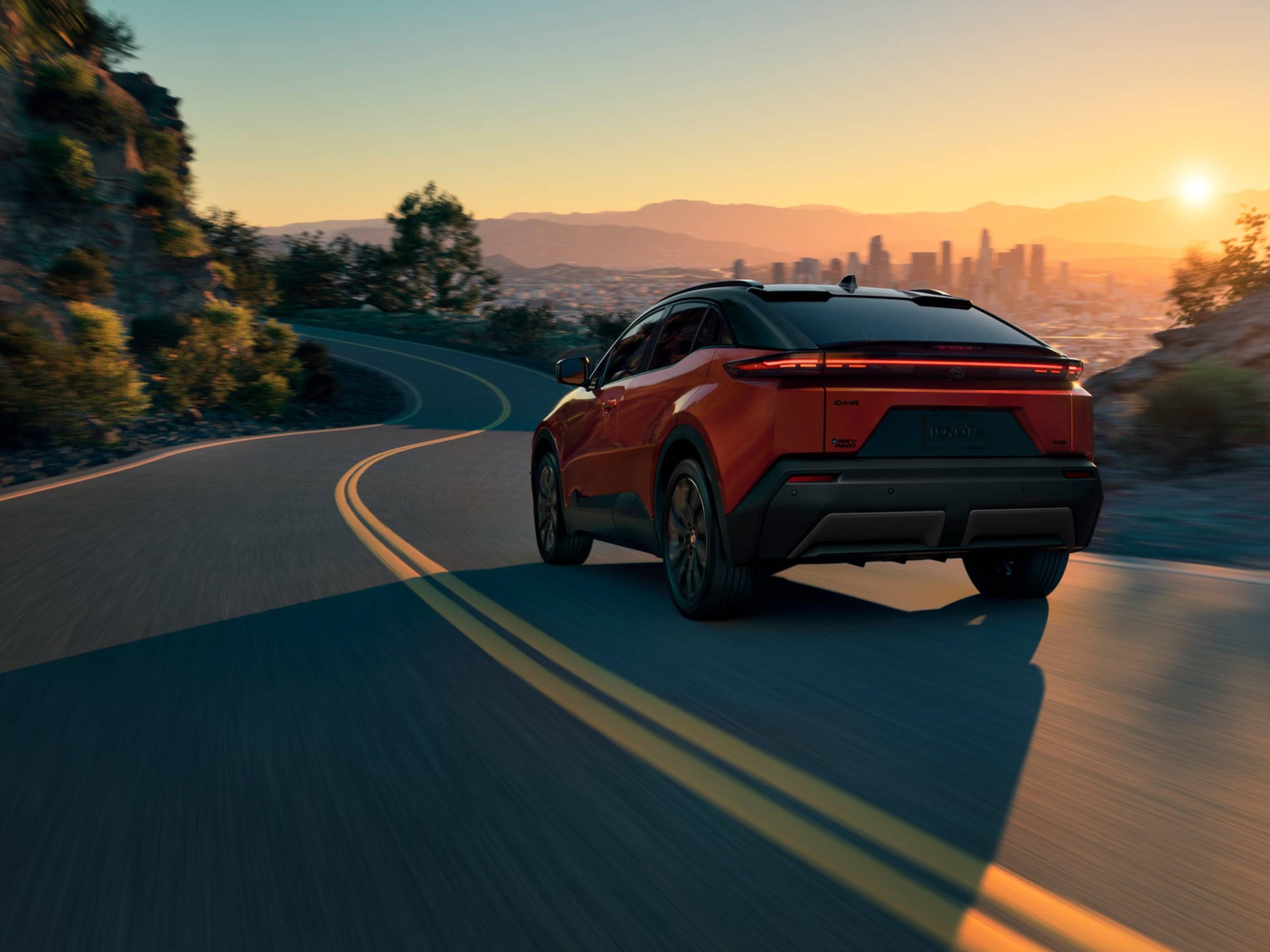
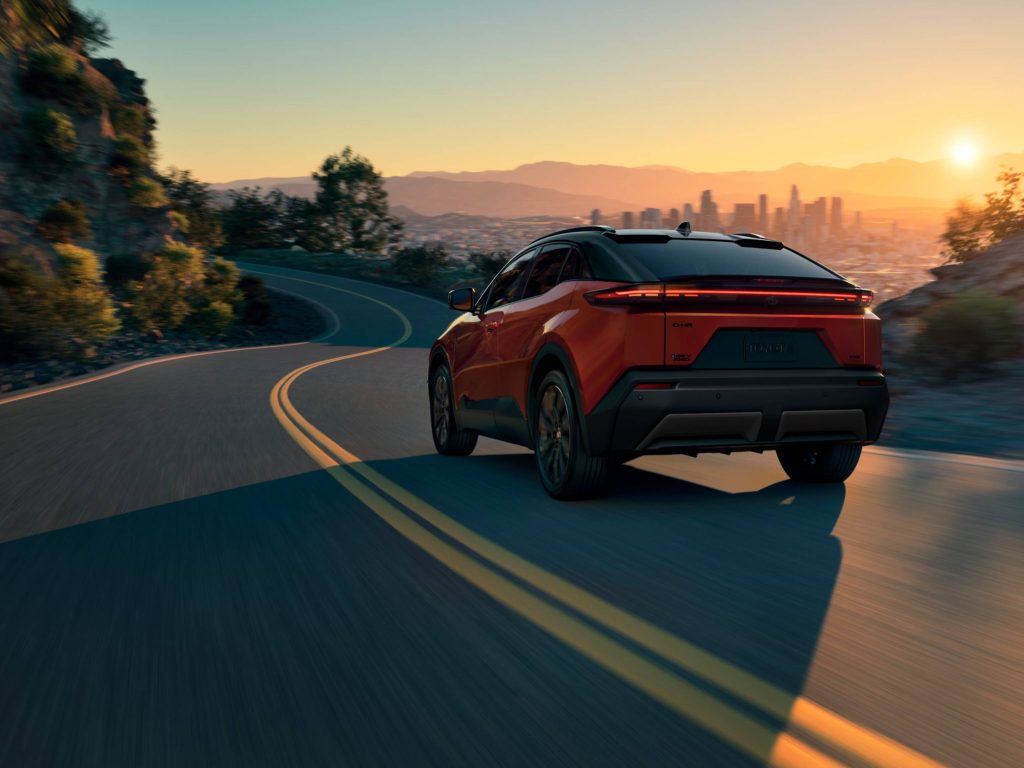
Shopping for a compact SUV in the Tacoma area? You’re looking at two very different takes on what a small crossover should be. The 2026 Toyota C-HR and 2026 Hyundai Kona each have their own philosophy. Toyota doubles down on hybrid efficiency and rock-solid safety, while Hyundai gives you choices, lots of them. Want a basic engine? They’ve got it. Turbocharged fun? Yep. Full electric? That too. Figuring out which approach fits your life makes all the difference.
2026 Toyota C-HR vs 2026 Hyundai Kona: Key Differences at a Glance
Here’s the thing that sets these apart right away: Toyota went all-in on hybrid tech for the upper trims, banking on smooth operation and that legendary Toyota reliability. Hyundai said, “Why pick just one?” and built a lineup that spans from budget-friendly conventional engines to electric powertrains that’ll make you forget gas stations exist. The C-HR keeps things simple. The Kona? It’s complicated, but in a good way.
Comparison Table with Tech Details
The numbers tell a story. Toyota’s banking on that 5-star safety rating and hybrid reliability. Hyundai counters with better base fuel economy, all-wheel drive when you need it, and that electric option Toyota just doesn’t have yet.
Trim Levels Breakdown
2026 Toyota C-HR Trims and Features
Toyota keeps things straightforward with the C-HR lineup: GXL, Koba, and C-HR+. Most of these center around hybrid variants, which actually simplifies your decision. You’re not going to sacrifice safety features just because you picked the base trim. Toyota Safety Sense comes standard everywhere, period. That’s refreshing in a world where some manufacturers make you pay extra for basic protection.
The GXL gets you started with solid tech and comfortable seats, plus the full safety suite. Step up to the Koba and you’ll notice nicer materials and extra comfort touches. The C-HR+ tops things off with Toyota’s best tech and luxury features for this size vehicle.
What’s nice about this approach? You won’t find yourself missing crucial safety systems because you didn’t want to spend extra money. The differences between trims focus on comfort and convenience, not fundamental capabilities.
2026 Hyundai Kona Trims and Features
Hyundai spreads the Kona across more territory, starting with value-focused base models and climbing through Elite and Premium trims to that Extended Range electric variant. More choices means more complexity, though. You’ll need to pay closer attention to what each trim actually includes.
Base Kona models handle transportation duty just fine with decent standard equipment. Elite trims add better tech and comfort features, while Premium variants bring luxury touches and advanced driver aids. The Extended Range electric sits in its own category for buyers ready to go fully electric.
This variety gives you flexibility, but it also means features can vary dramatically between trim levels. If you want specific safety tech or convenience features, you might need to jump several trim levels up, which changes the math on pricing pretty quickly.
Performance and Powertrain Comparison
2026 Toyota C-HR Engine and Driving Dynamics
The base C-HR runs a 2.0-liter four-cylinder making 144 horsepower, tied to a CVT and front-wheel drive. It’s adequate for daily driving without being exciting. Think competent commuter, not weekend warrior.
Hybrid trims change the game completely. The 1.8-liter four works with an electric motor for 103 kW total output, and the difference is immediately noticeable. Electric torque helps with city driving responsiveness, and the transitions between gas and electric happen so smoothly you’ll barely notice. It’s genuinely refined in a way the base engine simply isn’t.
Toyota tuned the C-HR for comfort, not canyon carving. Steering feels light around parking lots and weights up reasonably on highways, but don’t expect much feedback. The suspension soaks up most road imperfections without jarring you, which works well for Tacoma’s mix of surfaces.
Acceleration sits firmly in “adequate” territory. The hybrid’s electric assist helps off the line, but highway passing requires some planning. If you’re someone who enjoys spirited driving, spend some real time with the C-HR before deciding. Toyota clearly prioritized efficiency and comfort over engagement here.
2026 Hyundai Kona Engine Options and Handling
Base Kona models use a 2.0-liter four making 147 horsepower and 132 lb-ft of torque. Like the C-HR’s base engine, it handles daily tasks without drama. The CVT works smoothly, and all-wheel drive availability helps when weather gets nasty or you want to explore light trails.
Then there’s the turbocharged 1.6-liter four, and wow, what a difference. 195 horsepower and 195 lb-ft through a seven-speed dual-clutch automatic transforms this thing. Suddenly you’ve got genuinely engaging acceleration and responsive power delivery. This engine turns the Kona from practical transportation into something approaching hot hatch territory.
The electric Kona rewrites everything with 201 horsepower and a massive 291 lb-ft of instant torque. That immediate power delivery makes it feel much quicker than the specs suggest, especially from stops or when merging. The 258-mile range handles most Tacoma-area driving patterns without stress.
Hyundai tuned the Kona’s suspension slightly firmer than the C-HR’s, which creates more direct handling. You get better steering feedback and the chassis feels more planted through corners. The tradeoff? You’ll feel more of what the pavement’s doing, but that’s the price of better road connection.
Toyota Safety Sense: Standard Protection on Every Trim
Safety creates the biggest gap between these vehicles. The C-HR’s 5-star safety rating beats the Kona’s 4-star rating, and for protection-focused buyers, that matters more than anything else on the spec sheet.
Every C-HR comes with Toyota Safety Sense: adaptive cruise control, lane-keeping assist, pre-collision system with pedestrian detection, driver monitoring, and blind-spot monitoring. Eight airbags surround the cabin for complete protection, even on the base trim.
Hyundai’s Tech: Impressive, but Trim-Dependent
Hyundai’s safety features impress too, though availability depends on your trim choice. Blind-spot monitoring includes steering wheel vibration alerts, which grab your attention better than visual warnings alone. Forward collision avoidance tech watches ahead and can intervene with braking. Surround-view cameras and parking sensors make tight spaces easier, while driver monitoring tracks your attention levels.
Infotainment and In-Cabin Experience
Both offer modern infotainment with smartphone integration, though screen sizes and interfaces differ. The C-HR typically features intuitive controls and clear graphics that minimize distraction. The Kona often provides larger displays with more customization options for tech enthusiasts.
The Verdict: Safety That Comes Standard
The C-HR’s superior crash test rating and comprehensive standard safety across all trims make it the stronger choice for protection-focused buyers. The Kona’s features are advanced, but the lower overall safety rating and trim-dependent availability require more careful evaluation.
Interior Space, Comfort, and Practicality
Interior packaging reveals practical differences that affect daily life. The C-HR offers up to 388 liters of cargo space, handling groceries, luggage, or gear adequately. Rear seats work for adults on shorter trips, though taller passengers might notice limited legroom on longer journeys. The cabin prioritizes style, sometimes at the expense of maximum space.
The Kona generally provides more generous passenger and cargo room within similar exterior dimensions. Clever packaging creates a surprisingly roomy feel, with rear seats offering better legroom than the C-HR. Cargo capacity stays competitive across Kona trim levels, and the rear seats fold easily when you need more storage.
Both use quality interior materials that improve with higher trim levels. The C-HR’s cabin emphasizes bold styling and modern aesthetics, using interesting textures and colors for visual impact. Build quality feels solid with tight panel gaps and satisfying controls. The Koba trim adds particularly nice touches with premium upholstery and enhanced finishes.
The Kona’s interior takes a more conventional but functional approach, balancing style with usability. Controls fall naturally to hand, and layouts stay intuitive without much learning curve. Premium trims introduce upscale materials and thoughtful amenities that enhance longer drive comfort.
Seating comfort varies by trim and personal preference. The C-HR’s seats provide good support for most body types, though some find them slightly firm on extended highway trips. Kona seating generally gets praise for all-day comfort, with sufficient cushioning and adjustability for different physiques.
Climate control works effectively in both, with higher trims offering dual-zone automatic temperature control. Sound insulation adequately dampens wind and road noise, though neither achieves luxury-car quietness. The Kona’s slightly larger cabin may transmit marginally less noise at highway speeds.
Fuel Economy and Efficiency Comparison
Toyota C-HR: Efficient Hybrid Power
Fuel efficiency matters for compact SUV buyers, and these take different approaches. The C-HR achieves approximately 29 MPG combined in EPA estimates: 27 MPG city, 31 MPG highway. This proves respectable, and hybrid trims deliver these numbers while providing smooth operation. The estimated 409-mile range means fewer fuel stops during daily routines.
Hyundai Kona: More Range, More Variants
The 2026 Hyundai Kona takes a different route. Its base engine achieves 32 MPG combined (30 city / 35 highway), offering a longer 462-mile range, ideal for long-distance commuters. However, higher-performance turbo trims trade fuel economy for extra power.
Electric Option: Kona’s Zero-Emission Edge
For eco-conscious buyers, the Kona Electric removes gas from the equation entirely. With an estimated 258-mile electric range, it suits most Tacoma-area driving needs while cutting fuel costs and emissions.
Toyota’s Strategy: Hybrid Strength, Proven Reliability
The C-HR lacks a full electric variant, limiting options for zero-emissions seekers. Its hybrid trims provide excellent efficiency within traditional frameworks, but they can’t match the electric Kona’s environmental benefits or potential operating cost savings. This reflects Toyota’s current product strategy, though they offer electric options in other segments.
Consider your typical driving patterns and priorities. The Kona’s base engine delivers the best conventional fuel economy while its electric variant offers the lowest operating costs and environmental impact. The C-HR’s hybrid trims split the difference with very good efficiency, proven reliability, and no range anxiety or charging requirements.
Exterior Design and Styling
Visual appeal stays subjective, but these project distinctly different personalities. The C-HR embraces bold, angular styling that definitely stands out in traffic. Sharp creases, aggressive lighting signatures, and coupe-like proportions create a distinctive appearance that attracts attention. Some love this daring design while others find it too dramatic. The polarizing nature means you should examine the C-HR carefully to ensure its looks work for you specifically.
The Kona takes a more versatile design approach, blending modern elements with broader appeal. Its proportions read clearly as a compact SUV without unusual flourishes or extreme angles. Updated front and rear treatments create contemporary appearance while maintaining approachable styling that ages well. This design likely appeals to more buyers, though it gives up some of the C-HR’s visual impact.
Both offer multiple exterior colors for some personalization. Wheel designs vary by trim level, with larger wheels enhancing visual presence on upper models. LED lighting features on most trims, improving nighttime visibility while creating modern signatures.
The C-HR’s lower roofline contributes to its sleek profile but slightly restricts rear headroom and cargo access. The Kona’s more upright proportions maximize interior space while maintaining attractive styling. This fundamental difference affects both aesthetics and practicality.
Which Compact SUV Is Right for You?
Choosing between the 2026 Toyota C-HR and 2026 Hyundai Kona depends on your priorities and intended use. The C-HR suits buyers who value safety above all else, appreciate hybrid efficiency, and prefer Toyota’s proven reliability record. Its 5-star safety rating provides exceptional peace of mind while the hybrid powertrain delivers smooth, efficient operation perfect for Tacoma commutes. The consistent trim structure simplifies decisions, ensuring comprehensive safety features regardless of price point.
The Kona appeals to shoppers seeking maximum flexibility and choice. Its diverse powertrain lineup accommodates different needs, from economical base models through sporty turbocharged variants to zero-emissions electric driving. Available all-wheel drive enhances capability, and generally superior interior space benefits families or buyers who regularly carry passengers and cargo. Better base fuel economy and longer range reduce fuel stops for conventional models.
Test-Drive the 2026 Toyota C-HR at Titus-Will Toyota
Specs tell one story, driving tells the truth. Experience the 2026 Toyota C-HR firsthand at Titus-Will Toyota, Tacoma’s trusted dealership since 1938.
Feel how it handles local roads, test visibility, comfort, and control placement, and see how it fits your daily life. Bring the family to check rear-seat space and cargo flexibility.
Our friendly team will walk you through key features, hybrid efficiency, and safety tech that make the C-HR stand out from competitors like the Hyundai Kona. We’ll also outline financing options and service programs that keep your Toyota performing like new for years.
Visit Titus-Will Toyota today to schedule your test drive, explore current offers, and see why drivers across South Puget Sound trust us for all things Toyota.
5 Family Friendly Holiday Events in Tacoma

Every holiday season, Tacoma becomes something truly magical. This South Puget Sound city delivers what bigger destinations often can’t: holiday experiences that feel authentic without breaking your budget or testing your patience. You’ll find events spread across neighborhoods from Point Defiance to downtown, making it easy to plan several outings without battling traffic for hours.
The thoughtful details here really shine. Free parking at multiple venues means one less expense to track. ADA-accessible events welcome everyone fully. Many attractions extend hours for working parents, while others wrap up early enough for families managing younger children’s bedtimes.
Why Tacoma is the Perfect Holiday Destination for Families
What sets Tacoma apart during the holidays? The way events blend education, entertainment, and genuine community connection. Your family might learn about local wildlife while surrounded by millions of twinkling lights, support neighborhood artisans while sipping hot cocoa, or catch live theater as part of your Christmas activities in Washington state traditions. These aren’t just Instagram moments. They’re real experiences that stick with kids and show them their community’s creative heart.
Top 5 Family Friendly Holiday Events
This year brings an exceptional collection of holiday activities across Tacoma. Your crew might prefer staying cozy in your car while driving through spectacular light displays, or maybe they’d rather explore festive markets packed with handmade treasures. The events run from late November straight through the season, giving you room to spread celebrations out or pack them into exciting weekends.
Each gathering has its own character. Wildlife education wrapped in holiday sparkle here, theatrical performances bringing seasonal stories to life there. Getting ahead of your planning helps you catch special shows or sidestep the heaviest crowds. That’s how you keep outings feeling magical instead of stressful.
ZooLights at Point Defiance Zoo & Aquarium
What Makes ZooLights a Must-See Event
Step through the gates at Point Defiance Zoo & Aquarium during ZooLights and you’re basically inside a storybook. Millions of lights create glowing tunnels and sparkling canopies above the pathways. Kids get genuinely excited spotting their favorite animals recreated in creative light sculptures, all while learning about wildlife conservation.
The brilliant part? This event balances festive fun with the zoo’s educational mission perfectly. Different themed areas guide you through various holiday scenes, each offering photo opportunities that look great even with your phone camera. When energy starts flagging, seasonal treats are available nearby. The route design prevents that overwhelming sensation some massive light displays create.
Families pushing strollers will appreciate the paved, well-lit pathways that make navigation simple even on dark winter evenings.
Visiting Tips and 2025 Schedule
ZooLights kicks off November 28, 2025, running select dates throughout the season. Buy tickets online beforehand to skip lines and guarantee entry on busy nights, especially weekend evenings closer to Christmas. This event draws serious crowds, so arriving right when gates open gives you space to explore before peak rush hits.
Layer everyone up properly since temperatures plummet after sunset. Pack a thermos of hot chocolate for sipping between exhibits. It transforms walking breaks from complaint sessions about cold fingers into cozy family moments. Comfortable walking shoes beat fashionable ones every time; you’ll cover substantial ground wandering between displays.
Try scheduling your visit midweek when possible. The magical atmosphere stays completely intact, but those shoulder-to-shoulder crowds thin out considerably.
Fantasy Lights at Spanaway Park
The Magical Drive-Through Experience
Fantasy Lights claims the title of largest holiday drive-through display in the Northwest, and you’ll quickly see why that matters. Over 300 animated and digital displays line a two-mile route through Spanaway Park, turning your car into a perfect viewing pod. Kids press noses against windows without worrying about freezing weather or tired legs. Perfect for families with toddlers or anyone preferring to experience holiday fun for families from inside a warm vehicle.
The displays use creative lighting that evolves as you drive, keeping everyone engaged throughout the journey. Animated sequences tell little stories, giving children something to anticipate around each curve. Running nightly from 5:30 to 9:00 p.m., it works with different family schedules. Based on 2024 dates, expect operations from late November through early January 2025, though their official site will confirm exact 2025 timing.
Get tickets online or at Sprinker Recreation Center. Fantasy Lights also offers walk-through dates with food trucks and entertainment for families wanting to stretch their legs. This creates a completely different experience from the drive-through option. You could actually return for a second visit with an entirely new approach to enjoying these festive things to do.
Tacoma Holiday Festival
Family Activities and Local Vendor Highlights
The Tacoma Holiday Festival at Tacoma Dome transforms shopping into genuine adventure. Over 550 booths create this massive marketplace where local vendors display everything from handcrafted jewelry to specialty foods. Children don’t just drag along bored while parents shop. They become active participants, discovering creative treasures and watching artisans demonstrate their skills.
Live holiday music fills the space with energy that keeps spirits high during longer browsing sessions. Cooking demonstrations provide entertainment and practical inspiration for your own holiday meals. The Holiday Workshop Stage hosts activities designed specifically for younger attendees, giving parents actual time to make purchasing decisions rather than rushing through aisles with restless kids.
Santa photos feature a real bearded Santa, eliminating that awkward conversation about why different Santas look dissimilar. The festival typically happens in October, so verify exact 2025 dates on their website while planning your holiday family events calendar. Supporting local businesses while finding unique gifts creates this perfect win-win situation. The indoor venue means weather becomes irrelevant to your plans.
Budget-conscious families will appreciate entry options at various price points, with selection ensuring you’ll find gifts across all ranges.
Tacoma Musical Playhouse Holiday Shows
Tacoma Musical Playhouse delivers professional-quality theater to families without requiring a Seattle trek. Their 2025 holiday lineup features “Irving Berlin’s Holiday Inn” running November 21 through December 14, with multiple performance dates working around packed schedules. This flexibility helps families actually attend instead of just hoping to catch a show someday.
Award-winning performances give children exposure to live theater in an environment designed for family comfort. Young audience members learn theater etiquette while experiencing stories connecting to holiday themes they understand. The talent level ensures adults stay engaged rather than merely tolerating shows for their kids’ sake. These productions often become annual traditions children request year after year, creating continuity in your family’s holiday rhythm.
A special “Sing Along with Santa” event on December 13, 2025, adds interactive elements particularly appealing to younger children. Check their events calendar for specific showtimes and ticket information. Arrive 15-20 minutes early for bathroom breaks and settle into seats before the curtain rises. This prevents that stressful rush that can dampen experiences before they start. Weekend getaways for families from nearby areas often include these productions as anchor events.
Pacific Avenue Holiday Tree Lighting Ceremony
The Pacific Avenue Holiday Tree Lighting Ceremony at Pantages Theater kicks off Tacoma’s holiday season with community warmth that truly defines this family holiday activity. Scheduled for Saturday, November 29, 2025, starting at 5:00 p.m., this free event marks its 80th year. That nearly eight-decade tradition brings genuine meaning rather than manufactured nostalgia.
Families gather at 901 Broadway to enjoy live entertainment leading up to the actual tree lighting at 6:00 p.m. Free refreshments ease parents’ worries about hungry children, and Santa photos create keepsake moments without additional cost. The open-to-all approach means holiday events Seattle and Tacoma style remain accessible regardless of your family’s financial situation.
Live entertainment keeps everyone engaged during the countdown to that magical moment when lights illuminate the tree. The crowd’s collective excitement creates an atmosphere photos can’t fully capture, making attendance more meaningful than viewing recordings later. Downtown location means easy access to restaurants for dinner afterward, turning the ceremony into a full evening out.
Arrive by 4:45 p.m. to secure good viewing spots without excessive waiting. Street parking typically opens up within a few blocks if designated lots fill.
Making the Most of Your Tacoma Holiday Visit
Planning Your Event Schedule
Strategic scheduling transforms good intentions into actual memories. Map events on your calendar based on your family’s realistic energy levels, not ambitious hopes. Space major outings by at least a few days to prevent holiday burnout where everything blurs together. Mix different types of experiences rather than attending all light displays back-to-back.
Check weather forecasts before committing to outdoor events and have backup indoor options ready. Many venues post crowd predictions on social media, helping you choose less congested times. Weekday evenings often provide more relaxed experiences than weekend prime time, particularly for popular attractions like ZooLights.
Some families prefer front-loading activities in late November and early December, leaving the week before Christmas for quieter family time at home.
Where to Eat and What to Bring
Tacoma’s diverse restaurant scene works with family budgets and preferences. Make reservations at sit-down restaurants to prevent hangry meltdowns when everyone’s tired after an event. Many downtown establishments offer family-friendly menus during holiday weeks, though calling ahead confirms availability and wait times.
For outdoor events, pack more layers than seem necessary. Pacific Northwest winters surprise visitors who underestimate evening temperature drops. Bring your own water bottles and snacks to avoid paying premium venue prices, though purchasing something supports the organizations hosting these wonderful events. A small backpack holds essentials without becoming burdensome, including phone chargers since you’ll take numerous photos.
Hand warmers tucked into pockets or mittens extend outdoor enjoyment significantly when temperatures dip. Comfortable shoes matter more than stylish ones. Nobody remembers cute boots in photos, but everyone remembers aching feet that cut adventures short.
Explore Tacoma’s Holiday Magic This Season
Tacoma offers authentic holiday experiences that feel special without manufactured pressure or overwhelming crowds. These five events create opportunities for your family to build traditions uniquely your own, whether returning to favorites annually or discovering new celebrations each year. The combination of festive atmosphere, educational elements, and community spirit makes each outing meaningful beyond simple entertainment.
Planning your Washington family vacation or weekend activities around these events connects you with Tacoma’s welcoming holiday spirit. From the first tree lighting in late November through the final Fantasy Lights drive-through in early January, you’ll find activities matching various ages, interests, and energy levels. The accessibility and thoughtfulness built into these Christmas activities in Washington state showcase what makes Pacific Northwest communities special.
Connect with us


