


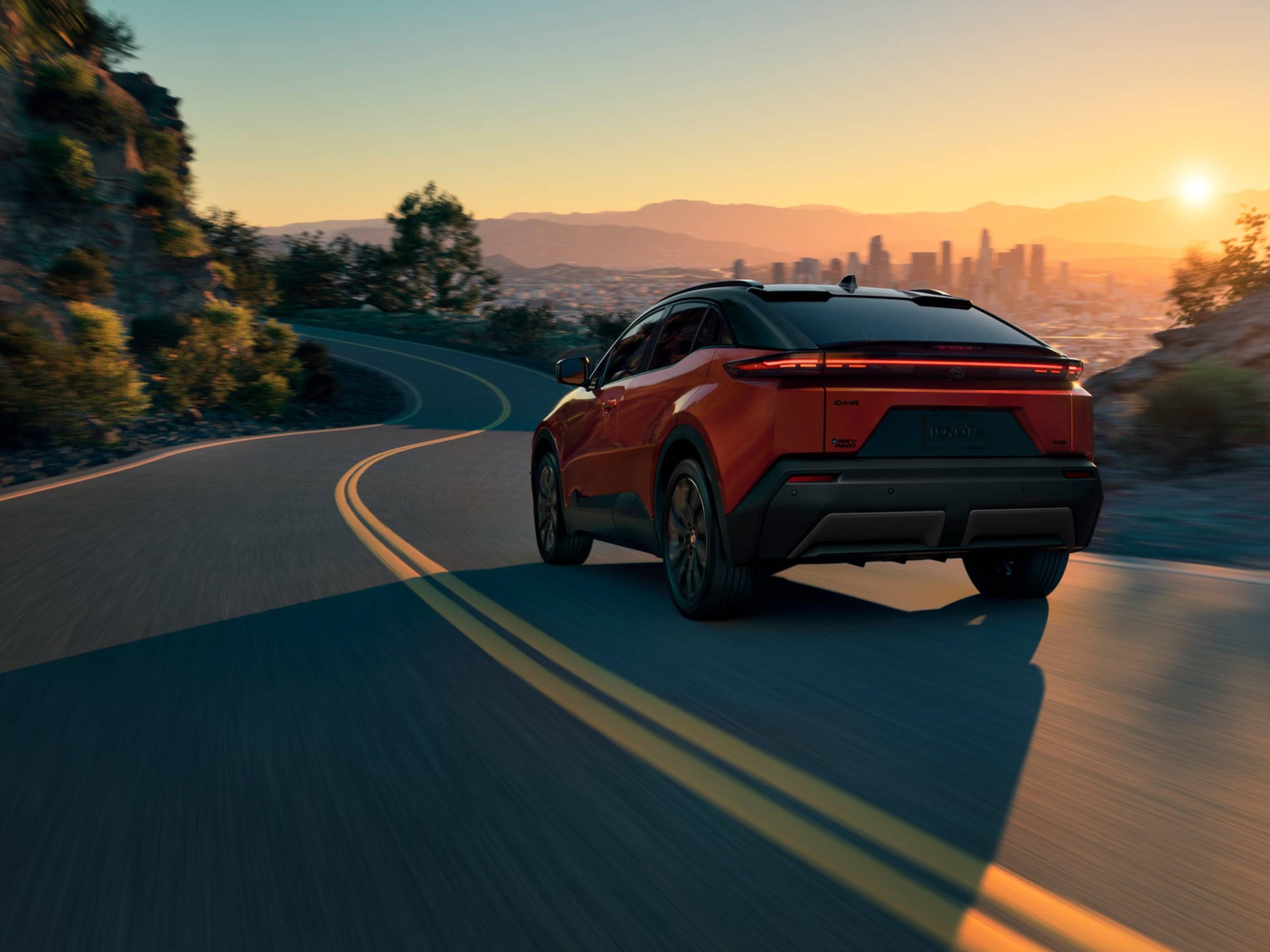
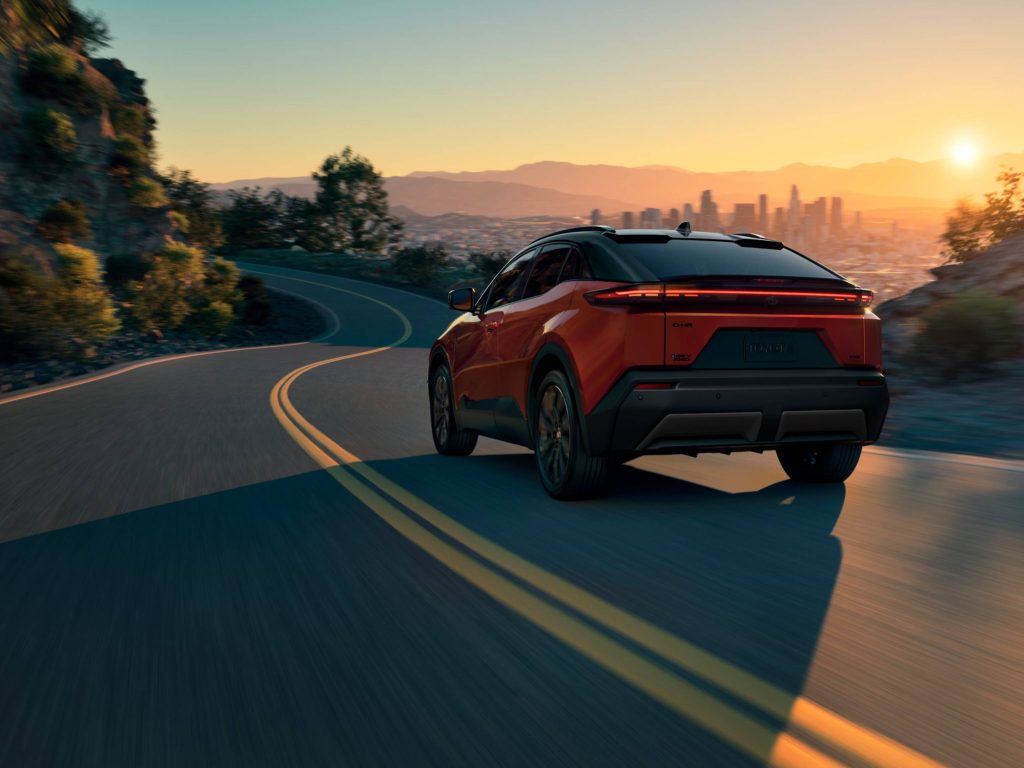
Shopping for a compact SUV in the Tacoma area? You’re looking at two very different takes on what a small crossover should be. The 2026 Toyota C-HR and 2026 Hyundai Kona each have their own philosophy. Toyota doubles down on hybrid efficiency and rock-solid safety, while Hyundai gives you choices, lots of them. Want a basic engine? They’ve got it. Turbocharged fun? Yep. Full electric? That too. Figuring out which approach fits your life makes all the difference.
2026 Toyota C-HR vs 2026 Hyundai Kona: Key Differences at a Glance
Here’s the thing that sets these apart right away: Toyota went all-in on hybrid tech for the upper trims, banking on smooth operation and that legendary Toyota reliability. Hyundai said, “Why pick just one?” and built a lineup that spans from budget-friendly conventional engines to electric powertrains that’ll make you forget gas stations exist. The C-HR keeps things simple. The Kona? It’s complicated, but in a good way.
Comparison Table with Tech Details
The numbers tell a story. Toyota’s banking on that 5-star safety rating and hybrid reliability. Hyundai counters with better base fuel economy, all-wheel drive when you need it, and that electric option Toyota just doesn’t have yet.
Trim Levels Breakdown
2026 Toyota C-HR Trims and Features
Toyota keeps things straightforward with the C-HR lineup: GXL, Koba, and C-HR+. Most of these center around hybrid variants, which actually simplifies your decision. You’re not going to sacrifice safety features just because you picked the base trim. Toyota Safety Sense comes standard everywhere, period. That’s refreshing in a world where some manufacturers make you pay extra for basic protection.
The GXL gets you started with solid tech and comfortable seats, plus the full safety suite. Step up to the Koba and you’ll notice nicer materials and extra comfort touches. The C-HR+ tops things off with Toyota’s best tech and luxury features for this size vehicle.
What’s nice about this approach? You won’t find yourself missing crucial safety systems because you didn’t want to spend extra money. The differences between trims focus on comfort and convenience, not fundamental capabilities.
2026 Hyundai Kona Trims and Features
Hyundai spreads the Kona across more territory, starting with value-focused base models and climbing through Elite and Premium trims to that Extended Range electric variant. More choices means more complexity, though. You’ll need to pay closer attention to what each trim actually includes.
Base Kona models handle transportation duty just fine with decent standard equipment. Elite trims add better tech and comfort features, while Premium variants bring luxury touches and advanced driver aids. The Extended Range electric sits in its own category for buyers ready to go fully electric.
This variety gives you flexibility, but it also means features can vary dramatically between trim levels. If you want specific safety tech or convenience features, you might need to jump several trim levels up, which changes the math on pricing pretty quickly.
Performance and Powertrain Comparison
2026 Toyota C-HR Engine and Driving Dynamics
The base C-HR runs a 2.0-liter four-cylinder making 144 horsepower, tied to a CVT and front-wheel drive. It’s adequate for daily driving without being exciting. Think competent commuter, not weekend warrior.
Hybrid trims change the game completely. The 1.8-liter four works with an electric motor for 103 kW total output, and the difference is immediately noticeable. Electric torque helps with city driving responsiveness, and the transitions between gas and electric happen so smoothly you’ll barely notice. It’s genuinely refined in a way the base engine simply isn’t.
Toyota tuned the C-HR for comfort, not canyon carving. Steering feels light around parking lots and weights up reasonably on highways, but don’t expect much feedback. The suspension soaks up most road imperfections without jarring you, which works well for Tacoma’s mix of surfaces.
Acceleration sits firmly in “adequate” territory. The hybrid’s electric assist helps off the line, but highway passing requires some planning. If you’re someone who enjoys spirited driving, spend some real time with the C-HR before deciding. Toyota clearly prioritized efficiency and comfort over engagement here.
2026 Hyundai Kona Engine Options and Handling
Base Kona models use a 2.0-liter four making 147 horsepower and 132 lb-ft of torque. Like the C-HR’s base engine, it handles daily tasks without drama. The CVT works smoothly, and all-wheel drive availability helps when weather gets nasty or you want to explore light trails.
Then there’s the turbocharged 1.6-liter four, and wow, what a difference. 195 horsepower and 195 lb-ft through a seven-speed dual-clutch automatic transforms this thing. Suddenly you’ve got genuinely engaging acceleration and responsive power delivery. This engine turns the Kona from practical transportation into something approaching hot hatch territory.
The electric Kona rewrites everything with 201 horsepower and a massive 291 lb-ft of instant torque. That immediate power delivery makes it feel much quicker than the specs suggest, especially from stops or when merging. The 258-mile range handles most Tacoma-area driving patterns without stress.
Hyundai tuned the Kona’s suspension slightly firmer than the C-HR’s, which creates more direct handling. You get better steering feedback and the chassis feels more planted through corners. The tradeoff? You’ll feel more of what the pavement’s doing, but that’s the price of better road connection.
Toyota Safety Sense: Standard Protection on Every Trim
Safety creates the biggest gap between these vehicles. The C-HR’s 5-star safety rating beats the Kona’s 4-star rating, and for protection-focused buyers, that matters more than anything else on the spec sheet.
Every C-HR comes with Toyota Safety Sense: adaptive cruise control, lane-keeping assist, pre-collision system with pedestrian detection, driver monitoring, and blind-spot monitoring. Eight airbags surround the cabin for complete protection, even on the base trim.
Hyundai’s Tech: Impressive, but Trim-Dependent
Hyundai’s safety features impress too, though availability depends on your trim choice. Blind-spot monitoring includes steering wheel vibration alerts, which grab your attention better than visual warnings alone. Forward collision avoidance tech watches ahead and can intervene with braking. Surround-view cameras and parking sensors make tight spaces easier, while driver monitoring tracks your attention levels.
Infotainment and In-Cabin Experience
Both offer modern infotainment with smartphone integration, though screen sizes and interfaces differ. The C-HR typically features intuitive controls and clear graphics that minimize distraction. The Kona often provides larger displays with more customization options for tech enthusiasts.
The Verdict: Safety That Comes Standard
The C-HR’s superior crash test rating and comprehensive standard safety across all trims make it the stronger choice for protection-focused buyers. The Kona’s features are advanced, but the lower overall safety rating and trim-dependent availability require more careful evaluation.
Interior Space, Comfort, and Practicality
Interior packaging reveals practical differences that affect daily life. The C-HR offers up to 388 liters of cargo space, handling groceries, luggage, or gear adequately. Rear seats work for adults on shorter trips, though taller passengers might notice limited legroom on longer journeys. The cabin prioritizes style, sometimes at the expense of maximum space.
The Kona generally provides more generous passenger and cargo room within similar exterior dimensions. Clever packaging creates a surprisingly roomy feel, with rear seats offering better legroom than the C-HR. Cargo capacity stays competitive across Kona trim levels, and the rear seats fold easily when you need more storage.
Both use quality interior materials that improve with higher trim levels. The C-HR’s cabin emphasizes bold styling and modern aesthetics, using interesting textures and colors for visual impact. Build quality feels solid with tight panel gaps and satisfying controls. The Koba trim adds particularly nice touches with premium upholstery and enhanced finishes.
The Kona’s interior takes a more conventional but functional approach, balancing style with usability. Controls fall naturally to hand, and layouts stay intuitive without much learning curve. Premium trims introduce upscale materials and thoughtful amenities that enhance longer drive comfort.
Seating comfort varies by trim and personal preference. The C-HR’s seats provide good support for most body types, though some find them slightly firm on extended highway trips. Kona seating generally gets praise for all-day comfort, with sufficient cushioning and adjustability for different physiques.
Climate control works effectively in both, with higher trims offering dual-zone automatic temperature control. Sound insulation adequately dampens wind and road noise, though neither achieves luxury-car quietness. The Kona’s slightly larger cabin may transmit marginally less noise at highway speeds.
Fuel Economy and Efficiency Comparison
Toyota C-HR: Efficient Hybrid Power
Fuel efficiency matters for compact SUV buyers, and these take different approaches. The C-HR achieves approximately 29 MPG combined in EPA estimates: 27 MPG city, 31 MPG highway. This proves respectable, and hybrid trims deliver these numbers while providing smooth operation. The estimated 409-mile range means fewer fuel stops during daily routines.
Hyundai Kona: More Range, More Variants
The 2026 Hyundai Kona takes a different route. Its base engine achieves 32 MPG combined (30 city / 35 highway), offering a longer 462-mile range, ideal for long-distance commuters. However, higher-performance turbo trims trade fuel economy for extra power.
Electric Option: Kona’s Zero-Emission Edge
For eco-conscious buyers, the Kona Electric removes gas from the equation entirely. With an estimated 258-mile electric range, it suits most Tacoma-area driving needs while cutting fuel costs and emissions.
Toyota’s Strategy: Hybrid Strength, Proven Reliability
The C-HR lacks a full electric variant, limiting options for zero-emissions seekers. Its hybrid trims provide excellent efficiency within traditional frameworks, but they can’t match the electric Kona’s environmental benefits or potential operating cost savings. This reflects Toyota’s current product strategy, though they offer electric options in other segments.
Consider your typical driving patterns and priorities. The Kona’s base engine delivers the best conventional fuel economy while its electric variant offers the lowest operating costs and environmental impact. The C-HR’s hybrid trims split the difference with very good efficiency, proven reliability, and no range anxiety or charging requirements.
Exterior Design and Styling
Visual appeal stays subjective, but these project distinctly different personalities. The C-HR embraces bold, angular styling that definitely stands out in traffic. Sharp creases, aggressive lighting signatures, and coupe-like proportions create a distinctive appearance that attracts attention. Some love this daring design while others find it too dramatic. The polarizing nature means you should examine the C-HR carefully to ensure its looks work for you specifically.
The Kona takes a more versatile design approach, blending modern elements with broader appeal. Its proportions read clearly as a compact SUV without unusual flourishes or extreme angles. Updated front and rear treatments create contemporary appearance while maintaining approachable styling that ages well. This design likely appeals to more buyers, though it gives up some of the C-HR’s visual impact.
Both offer multiple exterior colors for some personalization. Wheel designs vary by trim level, with larger wheels enhancing visual presence on upper models. LED lighting features on most trims, improving nighttime visibility while creating modern signatures.
The C-HR’s lower roofline contributes to its sleek profile but slightly restricts rear headroom and cargo access. The Kona’s more upright proportions maximize interior space while maintaining attractive styling. This fundamental difference affects both aesthetics and practicality.
Which Compact SUV Is Right for You?
Choosing between the 2026 Toyota C-HR and 2026 Hyundai Kona depends on your priorities and intended use. The C-HR suits buyers who value safety above all else, appreciate hybrid efficiency, and prefer Toyota’s proven reliability record. Its 5-star safety rating provides exceptional peace of mind while the hybrid powertrain delivers smooth, efficient operation perfect for Tacoma commutes. The consistent trim structure simplifies decisions, ensuring comprehensive safety features regardless of price point.
The Kona appeals to shoppers seeking maximum flexibility and choice. Its diverse powertrain lineup accommodates different needs, from economical base models through sporty turbocharged variants to zero-emissions electric driving. Available all-wheel drive enhances capability, and generally superior interior space benefits families or buyers who regularly carry passengers and cargo. Better base fuel economy and longer range reduce fuel stops for conventional models.
Test-Drive the 2026 Toyota C-HR at Titus-Will Toyota
Specs tell one story, driving tells the truth. Experience the 2026 Toyota C-HR firsthand at Titus-Will Toyota, Tacoma’s trusted dealership since 1938.
Feel how it handles local roads, test visibility, comfort, and control placement, and see how it fits your daily life. Bring the family to check rear-seat space and cargo flexibility.
Our friendly team will walk you through key features, hybrid efficiency, and safety tech that make the C-HR stand out from competitors like the Hyundai Kona. We’ll also outline financing options and service programs that keep your Toyota performing like new for years.
Visit Titus-Will Toyota today to schedule your test drive, explore current offers, and see why drivers across South Puget Sound trust us for all things Toyota.
Connect with us


