Blog

All New Inventory Social News Green Explore Tacoma Finance Tacoma Toyota Dealer Parts People Service Body Shop Safety Tips & Features Technology Pre-Owned Inventory Rental Titus-Will Toyota Service Toyota Camry
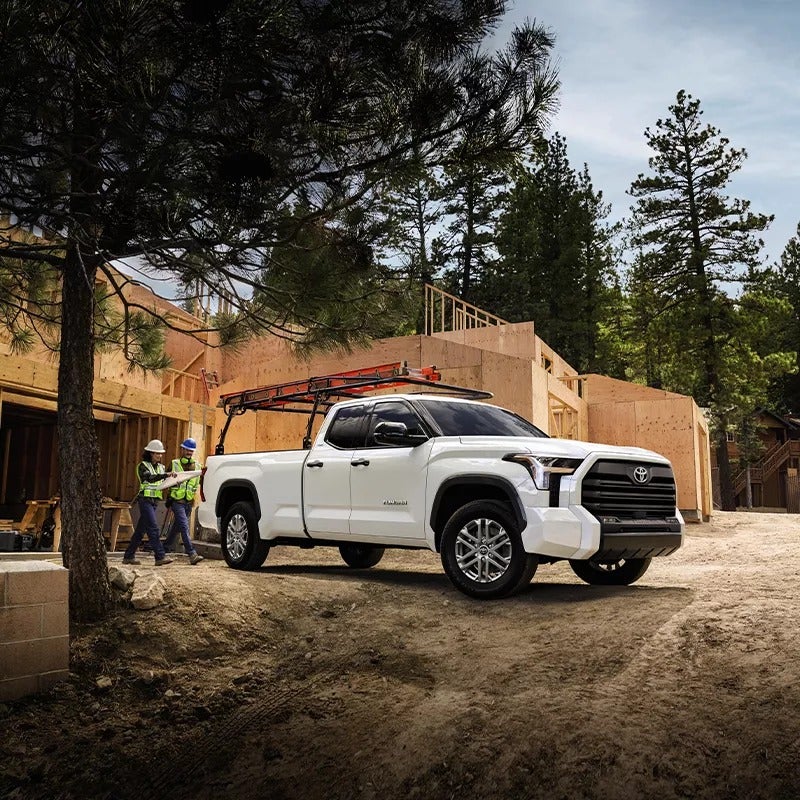
2027 Toyota Tundra

2027 Toyota Tundra Vs 2027 GMC Sierra 1500

Full-size truck shoppers in Tacoma have a lot to chew on this year. Toyota and GMC have both pulled back the curtain on their 2027 lineups, and the changes are big enough to reshape how the Tundra and Sierra 1500 stack up. GMC has published engine outputs and starting prices for the Sierra, while Toyota plans to release the Tundra's complete specs and pricing this fall, so the Tundra side of this comparison is based on Toyota's preview. Even so, what's been confirmed already points to the Tundra as the smarter all-around choice, with hybrid versatility, standard safety innovations, and factory overlanding capability the Sierra doesn't match. 2027 Toyota Tundra Vs 2027 GMC Sierra 1500: Our Early Take On paper, the 2027 Toyota Tundra and 2027 Sierra 1500 are taking noticeably different paths. Toyota is sharpening what already works, a new off-road package layered onto a familiar platform, with fresh styling and updated tech woven in. GMC is starting closer to scratch, with a next-generation redesign that brings new V8 engines and a fully redesigned interior. If you're weighing the 2027 Toyota Tundra vs 2027 GMC Sierra 1500 decision right now, it helps to understand what each brand is actually promising before you set foot in a showroom. Two Upcoming Full-Size Trucks: What's Coming for 2027 GMC expects the first 2027 Sierra 1500 models at dealerships before the end of 2026, and Toyota plans to announce the 2027 Tundra's complete specifications and pricing this fall. The Sierra's overhaul is the more dramatic of the two, streamlining its trim lineup while adding new engines. The Tundra's changes lean toward refinement over reinvention, which matters if you value a proven formula over a from-scratch redesign. 2027 Toyota Tundra: Announced Updates Toyota announced the updated 2027 Tundra on July 21, 2026, in Plano, Texas, and the headline is a more modern, purpose-driven front-end design developed by Toyota Motor North America, including CALTY Design Research in Ann Arbor, Michigan. The lineup carries over familiar names, SR, SR5, Limited, Platinum, 1794 Edition, TRD Pro, and Capstone, while adding the new Trailhunter package. Expect a crisper, square-jawed front end, integrated rectangular fog lights, a brighter grille-mounted LED light bar, and available RIGID fog lights. Toyota says complete specs and pricing will be announced this fall. 2027 GMC Sierra 1500: Announced Updates GMC gave an early look at the 2027 Sierra 1500 on June 25, 2026, and expects the first units at dealerships before year's end. GMC hasn't done a ground-up redesign of this truck in nearly a decade, so this next generation carries real weight for the brand. The trim lineup is being streamlined from eight options down to six, with SLE and SLT dropped entirely. Starting prices span a wide range, from $39,300 for the Pro to $85,100 for the Denali Ultimate: Pro: $39,300 Elevation: $50,200 AT4: $70,700 Denali: $70,900 AT4X: $82,700 Denali Ultimate: $85,100 Powertrain Comparison: Available Hybrid Muscle Vs. Bigger V8 Options The two trucks are approaching power from different angles, and neither company has published final output numbers yet, so this comparison stays firmly on architecture rather than horsepower bragging rights. Tundra's Twin-Turbo V6 and i-FORCE MAX Hybrid Toyota is carrying its twin-turbo V6 forward as the standard engine, with the i-FORCE MAX hybrid available for buyers who want added torque and quicker responsiveness. On i-FORCE MAX grades, a 2.4kW inverter can power tools, gear, or recreational equipment straight from the truck, genuinely useful for contractors around Puyallup and Lakewood or weekend campers headed toward Mount Rainier. Toyota has not announced mechanical changes or revised output figures for 2027, so any current Tundra horsepower or torque numbers you see elsewhere shouldn't be assumed to carry over unchanged. Sierra 1500's New 5.7L/6.6L Small Block V8 Lineup GMC's approach centers on its sixth-generation Small Block V8. The 5.7L makes 402 horsepower and 428 lb-ft of torque, with a max towing capability of 13,500 lbs, while the 6.6L makes 481 horsepower and 501 lb-ft, which GMC calls the most powerful naturally aspirated V8 in its class. The enhanced TurboMax comes standard, a class-exclusive Duramax diesel is available, and every engine pairs with a 10-speed automatic transmission. It's a lineup built on bigger displacement. There's no hybrid option and no onboard power inverter like the one on the Tundra's i-FORCE MAX grades. Standard Technology and Safety Features Both trucks come well equipped for 2027, with big standard touchscreens and standard adaptive cruise control and automatic emergency braking. The real difference is in the details. The Tundra's standard package includes features the Sierra doesn't list, like Proactive Driving Assist, Lane Tracing Assist, and a built-in dash cam, while GMC reserves its most elaborate screen and audio features for higher trims. Tundra's Standard 14-Inch Display, Drive Recorder, and Toyota Safety Sense 4.0 Every 2027 Tundra is expected to come standard with a 14-inch display running the newest Toyota Audio Multimedia system, complete with AT&T 5G connectivity and the "Hey Toyota" voice assistant. A built-in Drive Recorder Dash Cam captures 20-second clips of manual or triggered events, useful documentation whether you're navigating I-5 traffic or backing a trailer down a boat ramp in Gig Harbor. A Digital Key upgrade lets you share access with up to five drivers through digital wallet apps. Standard Toyota Safety Sense 4.0 brings the Pre-Collision System with Pedestrian Detection, Full-Speed Dynamic Radar Cruise Control, Lane Departure Alert with Steering Assist, Lane Tracing Assist, Road Sign Assist, Automatic High Beams, and Proactive Driving Assist to every trim, from SR to Capstone. Sierra 1500's Available Articulating and Passenger Screens GMC's tech story is genuinely impressive. Every 2027 Sierra gets a 16.3-inch touchscreen and 12.2-inch Driver Information Center, and from the Elevation up, that center screen articulates to reveal a hidden storage compartment. Moving up the lineup adds more. The Denali and Denali Ultimate get a 15-inch head-up display, the AT4X and Denali Ultimate add an 11.5-inch passenger screen and a 16-speaker Bose system with head-restraint speakers, and the Denali Ultimate tops it off with an 8.5-inch camera mirror for more than 60 inches of combined displays, which GMC says is the most in its class. The catch is that the most dramatic features climb the price ladder. The articulating screen starts on the $50,200 Elevation, and the passenger screen and premium Bose audio are tied to the AT4X and Denali Ultimate. The Tundra's standout tech works the other way. Its built-in Drive Recorder dash cam and Proactive Driving Assist come standard on every truck, from SR to Capstone. Off-Road Trims: Trailhunter Vs. AT4X Off-road shoppers comparing the 2027 Tundra vs Sierra 1500 will find two well-thought-out packages, each with a different personality. The 2027 Toyota Tundra Trailhunter builds on the SR5 grade and adds Michelin LTX Trail 265/70R18 tires, Old Man Emu upgraded suspension, front recovery hooks, and additional underbody protection. It also includes Multi-Terrain Select, Crawl Control, a locking rear differential, bronze wheels, and exclusive badging, all positioned at a more accessible price point within the lineup. The Trailhunter favors durability and value over flash. GMC's AT4X takes a more aggressive, performance-oriented route. It comes standard with the Duramax 3.0L Turbo-Diesel and rides on Sierra-first 35-inch Goodyear Wrangler Territory MT tires, with Multimatic DSSV and Jounce Control Dampers and front and rear e-locking differentials, a combination GMC says isn't offered on any class competitor. It also adds an exclusive Baja drive mode for hard-packed sand, dirt, and gravel, plus standard front and rear underbody cameras. Inside and out, the AT4X gets an exclusive hood design, a 2-inch suspension lift, a Timber Mahogany interior, bolstered front seats, and a standard panoramic sunroof. It's serious hardware at a serious price, starting at $82,700, second only to the Denali Ultimate. The Trailhunter takes the opposite approach, bringing factory overlanding hardware to the SR5, the second rung of the Tundra lineup. Why We Expect the Tundra to Be the Smarter Buy Here's our honest read at Titus-Will Toyota. The Sierra brings big V8 numbers and impressive screens, but the Tundra delivers features the Sierra simply doesn't offer. The available i-FORCE MAX hybrid adds electric-assisted torque plus a 2.4-kW inverter for powering tools and gear, something the Sierra's V8-focused lineup has no answer for. Every Tundra comes standard with a built-in dash cam and Toyota Safety Sense 4.0 with Proactive Driving Assist. And the Trailhunter brings factory overlanding hardware to the SR5, while the Sierra's most capable off-roader, the AT4X, starts at $82,700. GMC's showpiece features, including the 6.6L V8 and the full 60+ inch display suite, are reserved for the $85,100 Denali Ultimate. Resale value matters too. According to iSeeCars, the Tundra retains about 78.6% of its value after five years, among the best of any Toyota. When you're financing a truck for five or six years, what it's worth at trade-in time matters as much as the spec sheet on day one. That's why, when shoppers ask us to choose between the Tundra and Sierra, we lean Tundra, while noting that Toyota's full 2027 specifications are still to come. If you want to talk through financing options ahead of the 2027 launch, our team can walk you through financing options whenever you're ready. Visit Titus-Will Toyota to Reserve Your 2027 Tundra Serving Tacoma Since 1938 Titus-Will Toyota has been serving the South Puget Sound area since 1938, and for over 80 years we've been part of the Titus-Will Automotive Group's commitment to a friendly, no-pressure sales environment with transparent pricing. As the 2027 Tundra gets closer to launch, we'd love to help you plan ahead. Get in Touch Contact us online or visit Titus-Will Toyota at 3506 S Sprague Ave in Tacoma to get first in line for the 2027 Toyota Tundra. Our team will schedule your 2027 Tundra test drive as soon as the new trucks arrive, and in the meantime you can get behind the wheel of a current Tundra to feel the i-FORCE MAX torque for yourself. Stop by today and let us help you plan your next truck.

Read More
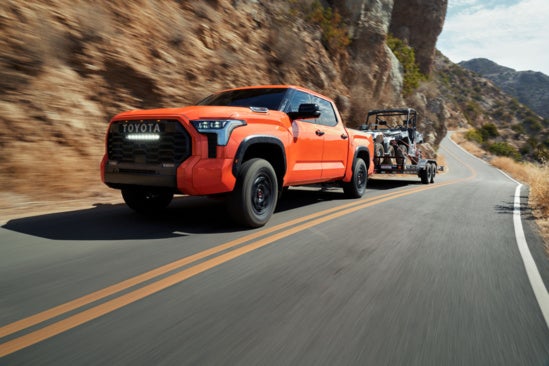
2027 Toyota Tundra

2027 Toyota Tundra Vs 2027 Ram 1500

Toyota announced updates to the 2027 Tundra on July 21, 2026, and truck shoppers in Tacoma are already asking how it stacks up against the 2027 Ram 1500. Ram has published its 2027 engine specs, while Toyota plans to release the Tundra's full specifications, fuel economy, and pricing this fall, so this is a preview on the Toyota side. Enough has been confirmed to see where each truck is heading, and it's already clear the Tundra gives buyers more standard technology and safety, plus a new factory overlanding package. 2027 Toyota Tundra Vs 2027 Ram 1500: A Preview Comparison The 2027 Toyota Tundra vs 2027 Ram 1500 matchup comes down to two different philosophies. Toyota is doubling down on standard safety tech and hybrid efficiency across the lineup, while Ram is leaning into raw power and premium screen real estate on select trims. Both are legitimate full-size contenders, but the way each brand chooses to equip its trucks tells you a lot about who they're building for. 2027 Toyota Tundra: What's New This Year The Tundra's 2027 update brings real changes to how it looks, what's inside the cabin, and what it can handle off-road. It's not a ground-up redesign, but it touches enough of the truck to feel substantial. Refreshed Exterior Design and Standard Tech Upgrades Toyota worked with CALTY Design Research on a refreshed front-end that leans into a bolder truck look. Inside, every trim now gets a standard 14-inch Toyota Audio Multimedia screen with AT&T 5G connectivity, customizable widgets, and the "Hey Toyota" voice assistant. A built-in Drive Recorder Dash Cam captures 20-second clips of manual or triggered events, and an Enhanced Digital Key, available through a Remote Connect trial or subscription, works with Apple, Google, and Samsung digital wallets. Twin-Turbo V6 and i-FORCE MAX Hybrid Powertrains The gas twin-turbo V6 continues as the base powertrain, delivering strong everyday performance and towing capability, while the available i-FORCE MAX hybrid adds even more torque and responsiveness. For 2027, Toyota also offers a 2.4-kW inverter on i-FORCE MAX grades, so you can power tools, camping gear, or recreational equipment right from the truck. Toyota will publish horsepower, torque, towing, and fuel economy figures with complete specs this fall. Standard Toyota Safety Sense 4.0 Every 2027 Tundra trim now comes with Toyota Safety Sense 4.0 standard, including: Pre-Collision System with Pedestrian Detection Full-Speed Dynamic Radar Cruise Control Lane Departure Alert with Steering Assist and Lane Tracing Assist Road Sign Assist and Automatic High Beams Proactive Driving Assist, which offers gentle braking and steering support in everyday driving From the base SR to the Capstone, every Tundra buyer gets the full suite without paying for a package. Introducing the SR5-Based Trailhunter Overlanding Package The biggest off-road news is the new Trailhunter package, built on the SR5 grade. It includes Michelin LTX Trail 265/70R18 tires, an upgraded Old Man Emu suspension, front recovery hooks, additional underbody protection, Multi-Terrain Select, Crawl Control, a locking rear differential, bronze-colored wheels, and exclusive badges. Toyota positions it at a more accessible price point, which matters if you assumed factory overlanding gear meant a premium price tag. Available RIGID fog lights and a brighter grille-mounted LED light bar round out the capability upgrades. The grade lineup spans SR, SR5, Limited, Platinum, 1794 Edition, TRD Pro, and Capstone, with Trailhunter available as a package on the SR5. 2027 Ram 1500: What's New This Year Ram's approach to the 2027 model year centers on bigger screens, more features, and a wider engine lineup. It's a different strategy than Toyota's, and it has real appeal for buyers who prioritize raw specs. Available 14.5-Inch Display and 50+ Inches of Digital Screens The 2027 Ram 1500 offers an available 14.5-inch display as part of its infotainment setup, with more than 50 inches of combined available digital displays on equipped trucks. Ram also lists more than 100 standard and available safety and security features across the lineup. Ram markets its Tungsten trim as the most luxurious pickup truck in its class, the automaker's own claim rather than an independent rating. Hands-Free Driving Assist and Advanced Safety Tech Ram offers Hands-Free Active Driving Assist, Evasive Steering Assist, forward collision warning with automatic emergency braking, and drowsy driver detection. These are listed as available features rather than standard equipment, so the trim and package you choose determines what you actually get. Performance Variants: TRX SRT, HEMI V8, and Hurricane Engines Ram's engine lineup for 2027 includes several confirmed options. The 5.7L HEMI V8 produces up to 395 hp, 410 lb-ft of torque, and 11,470 lb of max towing. The standard-output 3.0L Hurricane inline-six delivers up to 420 hp, 469 lb-ft of torque, 11,530 lb max towing, and 1,880 lb max payload. The High-Output Hurricane pushes to 540 hp and 521 lb-ft, with 9,480 lb max towing and 1,530 lb max payload; Ram states it delivers more power per liter than any competitor in its class, again the manufacturer's own claim. The 3.6L Pentastar V6 rounds out the lineup at 305 hp and 269 lb-ft. Topping the range is the TRX SRT, rated at 777 hp and 680 lb-ft, capable of 0-60 mph in 3.5 seconds with an MSRP of $99,995 plus $2,795 destination. Powertrain and Efficiency: Tundra's Hybrid Advantage Ram's lineup is built around high-output power, with its Hurricane and HEMI V8 engines chasing horsepower and towing numbers. Toyota's i-FORCE MAX hybrid takes a more versatile route. It pairs electric-assisted torque and responsiveness with a 2.4-kW onboard inverter that turns the Tundra into a mobile power source at the job site or campsite. Ram's 2027 gas engines don't offer an equivalent hybrid option. Toyota also backs its hybrid components for 8 years or 100,000 miles and the hybrid battery for 10 years or 150,000 miles, which is peace of mind for buyers planning to keep their truck for the long haul. Safety and Technology: Standard Vs Optional Features This is one of the clearest differences between these two trucks. Toyota made TSS 4.0, the 14-inch touchscreen, and the Drive Recorder Dash Cam standard across every 2027 Tundra trim. Ram's most advanced safety and tech features, including Hands-Free Active Driving Assist and the 14.5-inch display, remain available options rather than standard equipment. That distinction between "standard" and "available" is worth paying attention to, since it directly affects what you'll pay for a fully equipped truck. Off-Road Capability: Trailhunter Vs Ram Performance Trims Toyota's Trailhunter delivers factory-backed overlanding hardware on an SR5 build that keeps things accessible, with real suspension upgrades, recovery gear, and underbody protection baked in from the factory. Ram's RHO and TRX SRT take a different path, focusing on power and 35-inch off-road tires rather than a dedicated adventure-touring package. Both approaches work, but if you're planning weekend trips near the Mount Rainier foothills and want factory-installed overlanding capability without aftermarket shopping, Trailhunter has a clear edge. Which Truck Fits Your South Sound Lifestyle? Here's how each truck lines up with a few common South Sound scenarios: Towing a boat out of Gig Harbor marinas: Ram's high-output engines offer strong numbers, but the Tundra's i-FORCE MAX hybrid brings capability without stepping up to a performance-focused engine. Commuting daily from Puyallup: Standard TSS 4.0 and the 14-inch touchscreen mean every Tundra trim comes equipped, not just the higher ones. Off-roading near the Mount Rainier foothills: Trailhunter's factory-backed hardware on an accessible SR5 build beats aftermarket shopping. Curious about payments either way? You can start your financing application with us anytime. Why the 2027 Toyota Tundra Comes Out Ahead Standard TSS 4.0, a standard 14-inch touchscreen, and the new Trailhunter package add up to a truck that gives buyers more without forcing them up the trim ladder. Add in the i-FORCE MAX hybrid's efficiency-focused approach, and the Tundra looks like the more complete package for buyers in Tacoma, Lakewood, Federal Way, and Olympia who want capability and safety without a lot of guesswork. Test Drive the 2027 Toyota Tundra at Titus-Will Toyota Full pricing and specs for the 2027 Tundra arrive this fall, but its standard 14-inch screen and TSS 4.0, versatile i-FORCE MAX hybrid, and genuinely capable Trailhunter package are already clear advantages. We've served Tacoma since 1938, and we'll have real answers on 2027 pricing and availability as soon as Toyota finalizes them. Ready to Get Started? Visit Titus-Will Toyota at 3506 S Sprague Ave in Tacoma to test drive a Toyota Tundra from our current inventory, and experience the capability, comfort, and i-FORCE MAX torque that make it the smarter full-size choice. While you're here, ask our team to reserve your spot for the 2027 Tundra.
2027 Toyota Corolla

2027 Corolla Hatchback Vs 2026 Honda Civic Hatchback

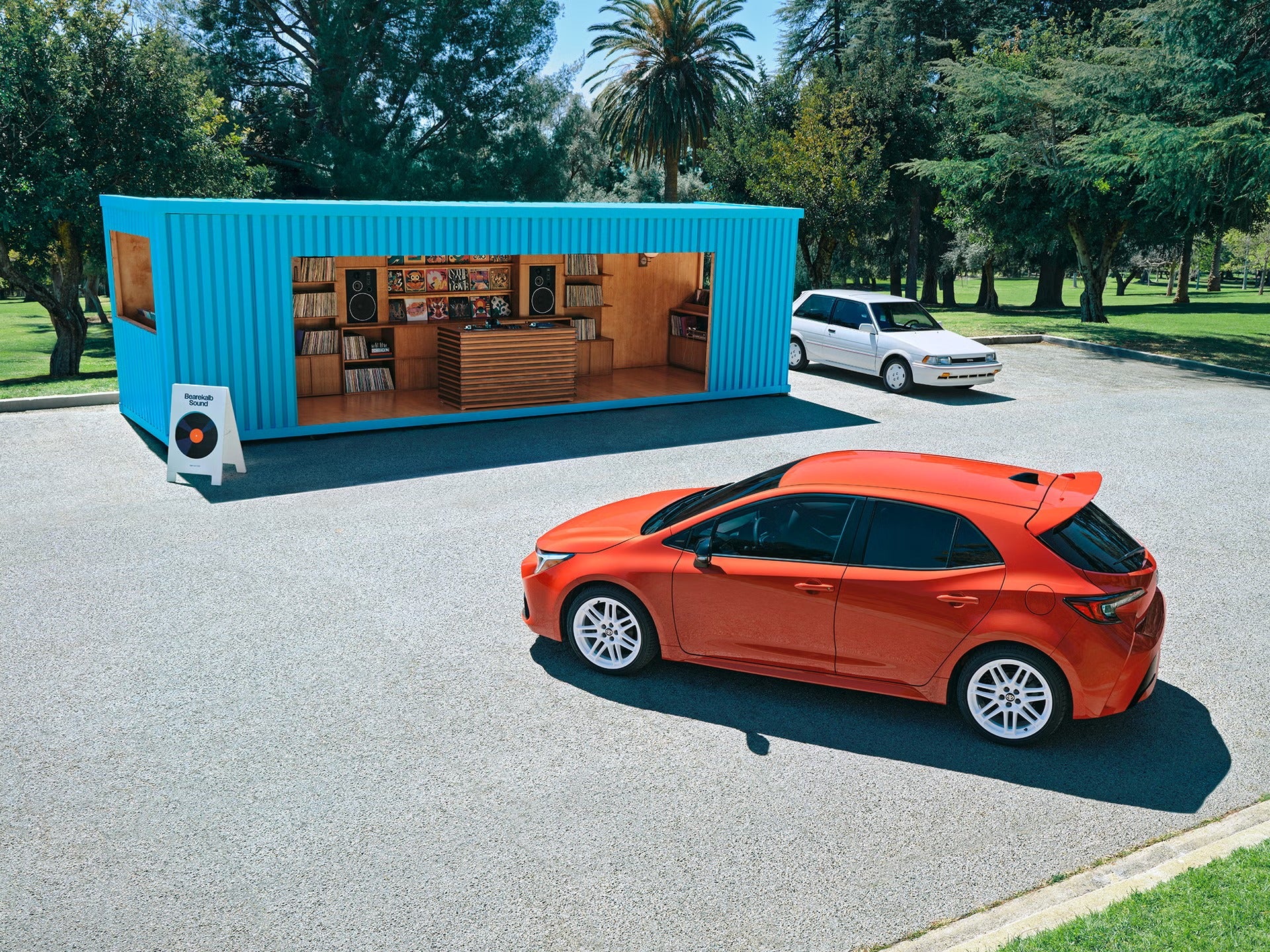
Shoppers cross-shopping compact hatchbacks in Tacoma usually land on the same two names: the Corolla Hatchback and the Civic Hatchback. Both have earned reputations for reliability and strong resale value, which matters when you're trying to protect your investment for years down the road. Line up the 2027 Corolla Hatchback vs 2026 Honda Civic Hatchback side by side, though, and standard horsepower, fuel economy, starting price, and everyday tech all tilt in one direction. For South Puget Sound drivers who want the most car for their money, the Corolla Hatchback is the top-value winner. Standard Performance & Powertrain: Corolla's Horsepower Advantage Engine specs are usually the first thing shoppers compare, and this matchup between the 2027 Toyota Corolla and Civic doesn't disappoint. The gap in standard horsepower is one of the clearer differentiators here. Corolla Hatchback's 2.0L Dynamic Force Engine and Dynamic-Shift CVT Every 2027 Corolla Hatchback SE and XSE comes standard with a 2.0L Dynamic Force Engine four-cylinder producing 169 horsepower and 151 lb-ft of torque, paired with a Dynamic-Shift CVT and FWD. Toyota built this transmission with a physical first gear plus ten selectable ratios, which helps deliver quicker off-the-line response and smoother highway passing than a typical CVT. Drivers can toggle between Sport, Eco, and Normal drive modes, and paddle shifters let you take more control when you want it. Fuel economy holds up well too. The SE is EPA-estimated at 32 mpg city, 41 mpg highway, and 35 mpg combined, while the XSE comes in at 30 city, 38 highway, and 33 combined. The base Civic Hatchback Sport is rated at 30 city, 38 highway, and 34 combined, so the Corolla SE delivers more horsepower and better fuel economy at the same time. Civic Hatchback's Underpowered Standard Engine The Civic Hatchback's base Sport trim uses a 2.0L 16-valve DOHC four-cylinder engine with Dual VTC, rated at 150 horsepower at 6,400 rpm and 133 lb-ft of torque at 4,000–5,000 rpm. That's 19 fewer horsepower and 18 fewer lb-ft than the Corolla Hatchback's standard engine. Honda does offer a 200-horsepower hybrid powertrain, but it starts with the Sport Hybrid at $30,595 MSRP, so Civic shoppers pay extra for more power. For buyers who want more standard horsepower without upgrading trims, the comparison favors Toyota right out of the gate. Maneuverability, Styling & Urban Driving Dynamics Numbers on a spec sheet matter, but so does how a hatchback actually feels working through Tacoma's hills, tight downtown streets, and ferry-adjacent traffic near the waterfront. Corolla Hatchback's Compact, Sporty Stance The Corolla Hatchback measures 172.0 inches long, 70.5 inches wide, and 57.1 inches tall, with a 103.9-inch wheelbase and a wide 60.3-inch front and 60.8-inch rear track. That compact footprint pairs with a tight 37.4-foot turning circle on the XSE, versus 38.1 feet for the Civic Hatchback, making U-turns, parking garages, and narrow streets in Tacoma or Puyallup easier to handle. The styling backs up the sporty stance, with a gloss-black front grille surround, a color-keyed rear spoiler, LED headlights with automatic high beams, and LED fog lights on the XSE. Available contrast black roof options on five exterior colors and Toyota Genuine Accessory 18-inch gloss white alloy wheels let you personalize the look even further. Civic Hatchback's Longer, Sedan-Like Footprint The Civic Hatchback stretches to 179.0 inches long with a 107.7-inch wheelbase, a full 7 inches longer than the Corolla Hatchback, with a wider 38.1-foot turning circle. That extra length gives it a more sedan-like profile. In tighter parking spots and narrower lanes, the Civic's longer body takes up more room and needs more space to turn around. For drivers commuting through Olympia or navigating congested Gig Harbor streets, the Corolla Hatchback's shorter, more compact build feels sportier and easier to dart through traffic. Smart Technology & Advanced Safety Compared Safety technology has become a deciding factor for a lot of families, and this is where the 2027 Corolla Hatchback vs 2026 Civic Hatchback comparison gets interesting. Toyota Safety Sense 3.0 vs Honda Sensing Toyota Safety Sense 3.0 comes standard on every 2027 Corolla Hatchback, and it includes: Pre-Collision System with Pedestrian Detection, designed to help mitigate or reduce crash speed and damage in certain frontal collisions Full-Speed Range Dynamic Radar Cruise Control, which can bring the car to a stop and resume in traffic Lane Tracing Assist, which helps keep the car centered in its lane Lane Departure Alert with Steering Assist, Road Sign Assist, and Automatic High Beams Proactive Driving Assist, which provides gentle braking and steering support to help maintain distance from vehicles and pedestrians ahead and to ease into curves On top of TSS 3.0, every Corolla Hatchback also includes Blind Spot Monitor with Rear Cross-Traffic Alert and ten airbags. The Civic Hatchback counters with Honda Sensing, which is also standard across its lineup and includes Collision Mitigation Braking, Adaptive Cruise Control with Low-Speed Follow, and Lane Keeping Assist. Where Toyota pulls ahead is intuitive, proactive support. Proactive Driving Assist works in the background during everyday driving, not just in emergencies, gently helping manage following distance and curves before a situation ever becomes urgent. It's the kind of quiet, intelligent assistance that makes daily commutes on I-5 and Highway 16 feel less tiring. Infotainment and Connectivity Features The Corolla Hatchback SE comes standard with an 8-inch Toyota Audio Multimedia touchscreen with over-the-air update capability, wireless Apple CarPlay and Android Auto, Qi-compatible wireless charging, and four USB-C ports, two front and two rear. New for 2027, the SE adds a standard 7-inch digital gauge cluster, while the XSE comes standard with a 12.3-inch digital cluster and a 10.5-inch touchscreen, also available on the SE through the new SE Premium Package. Compare that to the base Civic Hatchback Sport, which has a smaller 7-inch touchscreen and wired-only Apple CarPlay and Android Auto, with no wireless phone charger. Honda reserves wireless smartphone integration and wireless charging for the top Sport Touring Hybrid, which starts at $33,595. With the Corolla, you get cord-free connectivity from the base trim up. Dollar-for-Dollar Value & ToyotaCare Ownership Benefits Most shoppers comparing Corolla Hatchback vs Civic Hatchback pricing want a straight answer on which car gives you more for your money. Lower Starting Price, Bigger Savings The 2027 Corolla Hatchback SE starts at $24,780 MSRP, excluding Toyota's $1,295 delivery, processing, and handling fee. The 2026 Civic Hatchback starts at $27,895 MSRP for the Sport, excluding destination, and climbs to $30,595 for the Sport Hybrid and $33,595 for the Sport Touring Hybrid. That's a $3,115 head start for the Corolla Hatchback before destination, and you still get more horsepower, better EPA-estimated fuel economy, and wireless smartphone connectivity. If you're ready to see what that price gap means for your monthly payment, our financing application is a simple way to get started. ToyotaCare Maintenance and Roadside Assistance Every new 2027 Corolla Hatchback comes with ToyotaCare, a complimentary maintenance plan covering all normal factory-scheduled service for one year or 10,000 miles, whichever comes first, plus 24/7 roadside assistance for two years with unlimited mileage. Want longer coverage? Optional ToyotaCare Plus picks up where ToyotaCare ends, extending protection up to six years or 13 services. Add in strong resale value, with the Corolla Hatchback retaining about 74% of its value after five years according to iSeeCars, compared with an average loss of 30.5% for compact cars, and it's a smart long-term investment. Our master-certified Toyota technicians handle every visit with genuine Toyota parts. Why Titus-Will Toyota is Your South Puget Sound Toyota Authority We've been part of the Tacoma community since 1938, which means we've spent decades building relationships, not just selling cars. As part of the Titus-Will Automotive Group, our dealership at 3506 S Sprague Ave offers new Toyota inventory spanning the Tacoma, Camry, Corolla, RAV4, and hybrid and electric lineups, along with certified pre-owned vehicles from Toyota and other manufacturers. Our team believes in a no-pressure, transparent sales environment, so you can compare the Corolla Hatchback vs Civic Hatchback on your own terms. We offer competitive trade-in offers, customized financing with flexible terms, and a service center staffed by master-certified Toyota technicians using genuine Toyota parts. Drivers coming from Lakewood, Federal Way, or Olympia, along with folks right here in Tacoma, will find our showroom open Monday through Friday from 9 AM to 8 PM, Saturday from 9 AM to 7 PM, and Sunday from 10 AM to 6 PM. Schedule Your 2027 Corolla Hatchback Test Drive Today The Bottom Line Once you factor in the Corolla Hatchback's standard horsepower advantage, its lower entry price, Toyota Safety Sense 3.0 standard on every trim, and the peace of mind that comes with ToyotaCare's factory-backed coverage, it's clear why so many South Puget Sound drivers are choosing the 2027 Corolla Hatchback over the 2026 Civic Hatchback. Book Your Visit The best way to feel that difference is to experience it yourself. Visit Titus-Will Toyota at 3506 S Sprague Ave in Tacoma to see the dynamic 2027 Corolla Hatchback in person, contact us online, or call our sales team at 253-319-2395 to schedule your test drive today.

CAH_MY26_0009_V001

2026 Toyota Camry Vs 2026 Honda Accord

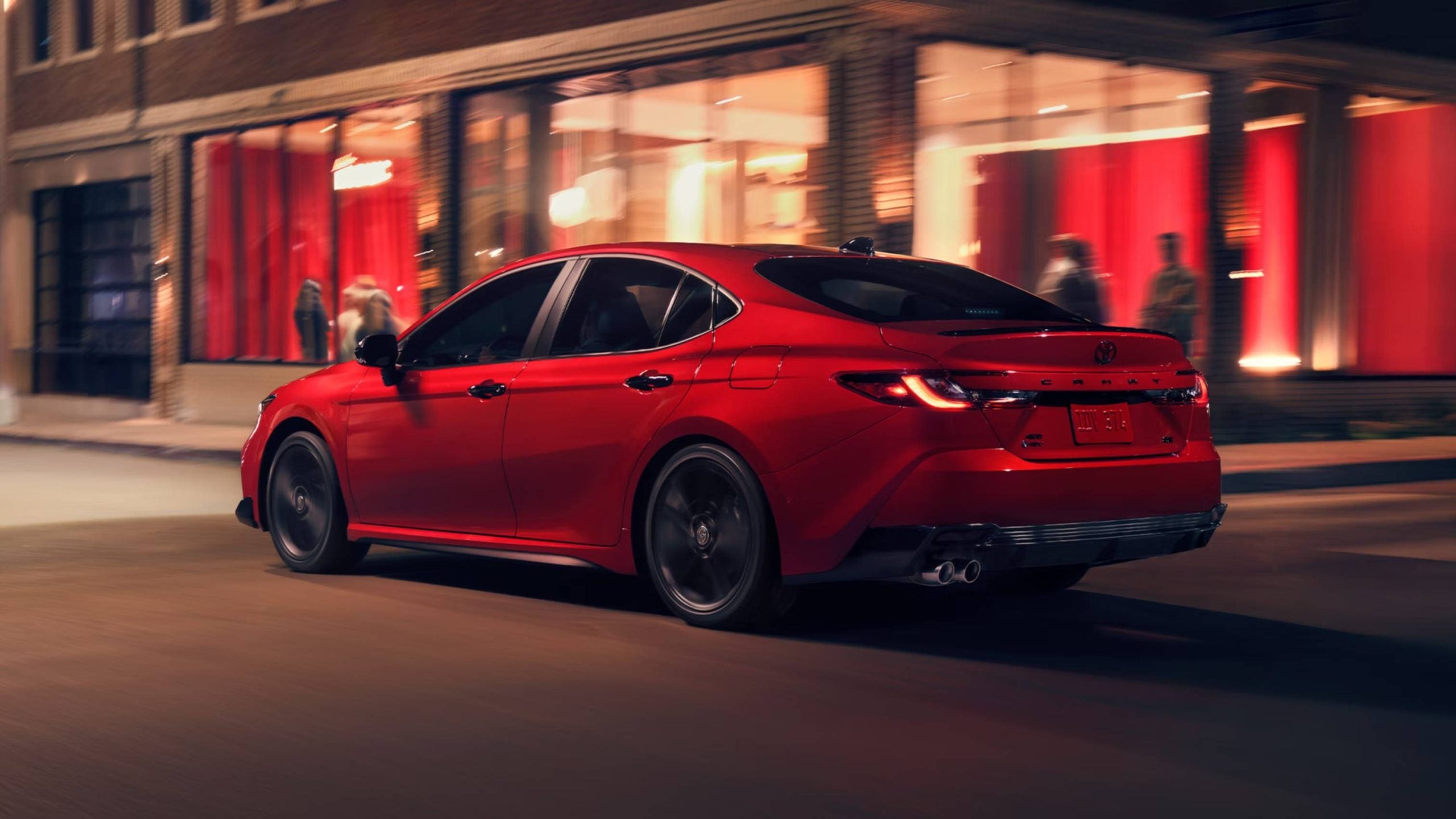
Choosing between two of the best-selling midsize sedans on the market isn't easy. The 2026 Toyota Camry and the 2026 Honda Accord both have strong reliability reputations, comfortable cabins, and a full suite of modern features, which is exactly why so many buyers end up torn between the two. Both models make a strong case whether you need a daily commuter for the I-5 corridor, a family hauler, or a sedan you can count on for the next decade. Look closely at what each one actually offers, though, and a winner starts to take shape. If you'd like to see the Camry in person before you finish reading, you can always contact Titus-Will Toyota to set up a time. This comparison breaks down the differences that matter most to real buyers: powertrain performance, tech, passenger space, and cargo room. Performance and Driving Dynamics How a car feels on the road often decides things. Both the Camry and the Accord are smooth, capable midsize sedans, but they take different approaches to powertrain engineering. Camry's All-Hybrid Powertrain Advantage Toyota made every 2026 Camry trim a hybrid, pairing the fifth-generation Toyota Hybrid System's 2.5L four-cylinder engine with electric motors. FWD models produce 225 combined hp, while AWD versions add a rear electric motor for 232 combined hp. EPA-estimated fuel economy is impressive across the board: the FWD LE is rated around 52 city / 49 highway MPG, AWD models land near 50 city / 49 highway, and the XSE AWD comes in around 43 city / 43 highway. For Tacoma-area drivers who deal with rainy Pacific Northwest roads, the available electric AWD system adds welcome traction on the climbs around Gig Harbor without sacrificing much efficiency. For anyone commuting to Seattle or Olympia, that combination of power and mileage adds up to real savings at the pump. Accord's Hybrid and Turbo Lineup The Accord splits its lineup between a 204-hp hybrid system and a turbocharged 1.5L engine that produces 192 hp. That gives buyers a choice: the hybrid EX-L trim is rated around 51 city / 44 highway MPG, while the turbo models drop to roughly 29 city / 37 highway. Drivers who prefer the punchier feel of a traditional turbo engine over a hybrid setup have that option with the Accord, something the Camry no longer offers. The trade-off is that fuel economy varies significantly depending on which configuration you choose, while the Camry delivers hybrid efficiency across every single trim. Technology and Infotainment Showdown Modern drivers expect their car's tech to keep pace with their phones and daily routines. Both sedans come with capable infotainment systems, but screen sizes, interface layouts, and available features set them apart. Camry's Touchscreen and Connectivity Features The 2026 Camry comes standard with an 8-inch touchscreen, with an available 12.3-inch Toyota Audio Multimedia touchscreen. Higher trims can also add a 12.3-inch digital gauge cluster, a 10-inch Head-Up Display, a Qi wireless charger, five USB ports, and a nine-speaker JBL Premium Audio system. Every Camry also comes with Toyota Safety Sense 3.0, which includes Proactive Driving Assist, Lane Change Assist, and Traffic Jam Assist, plus an available panoramic view monitor for tighter parking situations. Accord's Digital Interface and Driver Tech Honda equips hybrid Accord trims with a 12.3-inch touchscreen, which is the largest offered in the lineup, with Google built-in available on the Touring Hybrid. A Head-Up Display comes standard on the Touring Hybrid trim. Honda Sensing brings adaptive cruise control and lane-keeping assist to the safety suite. Both sedans top out at a 12.3-inch touchscreen, so buyers comparing screen size will find the two closely matched rather than one holding a clear edge. If you want to see how these systems actually feel behind the wheel, schedule a test drive at Titus-Will Toyota and compare them firsthand. Passenger Space and Interior Comfort Both sedans seat five comfortably, but the Accord offers more outright room, with 102.8 cubic feet of passenger volume on its hybrid trims and up to 105.7 cubic feet on the base LX, compared to the Camry's approximately 99.9 cubic feet. Taller passengers and families with kids in the back seat may notice the difference in rear legroom and headroom on longer drives The Camry counters with a cabin that leans into comfort and technology rather than raw dimensions. With a 111.2-inch wheelbase and 72.4-inch width, the Camry still feels spacious, and its soft-touch materials, refined seating, and available tech features give it an upscale feel that's earned Toyota's continued investment year over year. If maximum passenger room is your top priority, the Accord has the edge; if you value cabin refinement and available features, the Camry holds its own. Cargo Capacity and Everyday Practicality The Accord also edges out the Camry in cargo volume, offering 16.7 cubic feet of trunk space compared to the Camry's 15.1 cubic feet. That extra room adds up when you're loading groceries, packing for a weekend trip, or hauling gear for youth sports, making the Accord feel like a slightly more versatile daily workhorse. The Camry's trunk still handles most everyday needs without complaint, and unless you're routinely packing the car to the brim, you likely won't notice the difference. For buyers who need the largest available trunk, the Accord has a real, measurable advantage here. Why the 2026 Toyota Camry Comes Out Ahead Weigh everything together, and the 2026 Toyota Camry holds up well beyond the spec sheet. Toyota's reputation for long-term reliability is one of the strongest in the industry, and strong resale values mean your investment holds up better down the road, a detail plenty of buyers don't think about until it's time to trade in. For the daily commuter driving I-5 between Tacoma and Seattle, the Camry's hybrid-only lineup means guaranteed fuel savings no matter which trim you choose. For the efficiency-minded buyer, that all-hybrid approach removes the guesswork the Accord's split lineup requires. And for the tech enthusiast, the available 12.3-inch Toyota Audio Multimedia system, Head-Up Display, and JBL Premium Audio system offer plenty to work with, matching the Accord's largest available screen size while adding features like the Head-Up Display and JBL audio. The Accord holds real advantages in cargo space and passenger room, and it offers a turbo-engine option the Camry no longer does, but the Camry's standard hybrid efficiency, proven reliability, and strong resale value give it the edge for most Tacoma-area buyers. Schedule Your 2026 Camry Test Drive at Titus-Will Toyota Reading about a car only gets you so far. The best way to know if the 2026 Camry fits your life is to get behind the wheel and feel it yourself. Hybrid efficiency across every trim, built for PNW commutes and wet-road AWD confidence Available Toyota Safety Sense 3.0 features and Toyota Audio Multimedia On-site financing and service, plus vehicle delivery once your purchase is complete Ready to Drive Titus-Will Toyota is located at 3506 S Sprague Ave in Tacoma, WA, and has served the South Puget Sound community since 1938. Our showroom is open Monday through Friday from 9 AM to 8 PM, Saturday from 9 AM to 7 PM and Sunday from 10 AM to 6 PM. Reach our sales team directly at 253-319-2395, or contact Titus-Will Toyota online to schedule your test drive. Come see why so many Tacoma drivers trust the Camry, and find out firsthand why it deserves a spot in your driveway.

G86_MY27_0006_V001

2027 Toyota GR86 VS 2027 Subaru BRZ

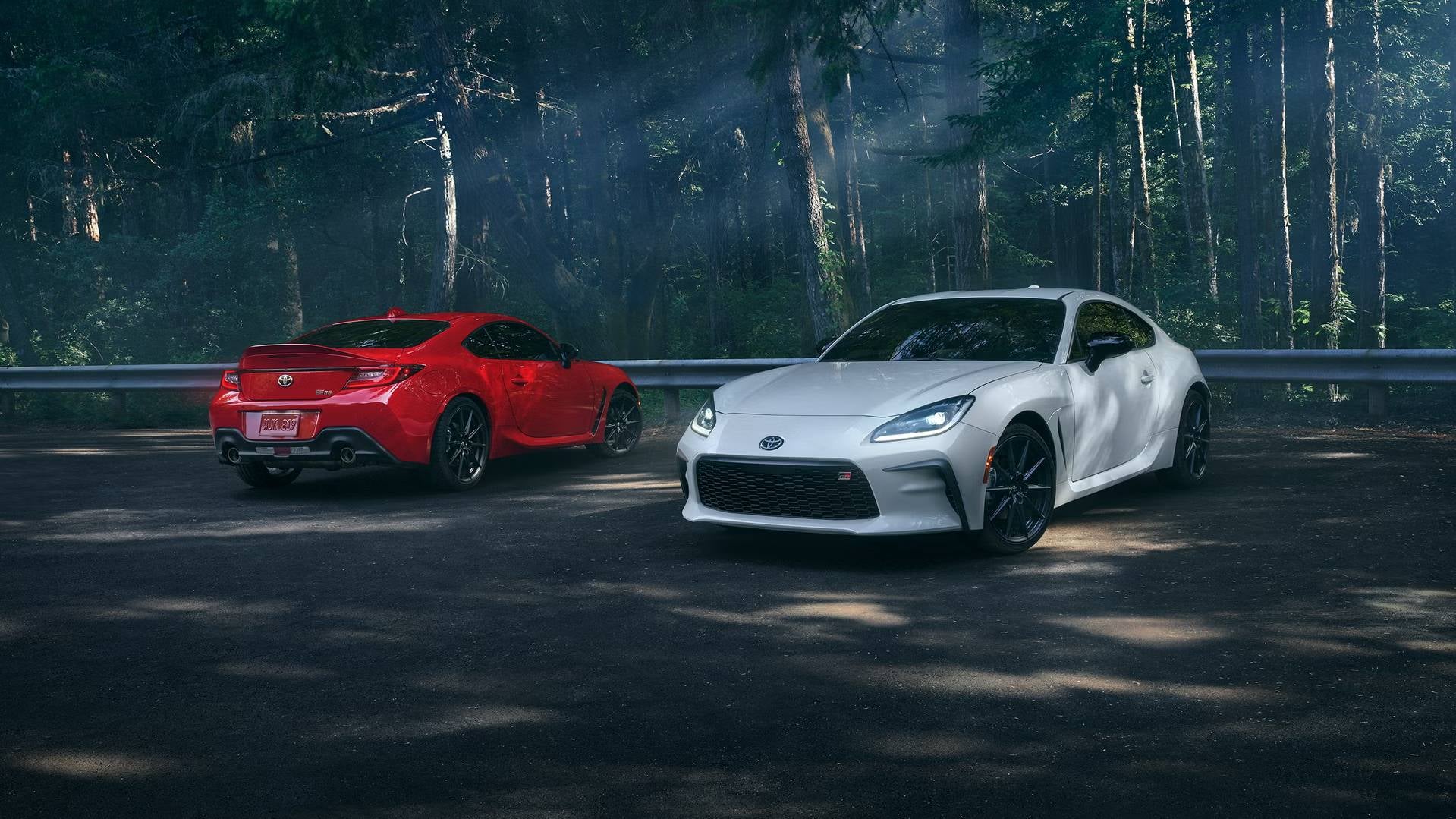
Few rivalries in the sports car world feel as personal as the one between the Toyota GR86 and the Subaru BRZ. They share the same bones, the same engine, and nearly the same price tag, yet drive them back-to-back and you'll notice they feel completely different behind the wheel. If you're weighing the 2027 Toyota GR86 vs 2027 Subaru BRZ, here's a close look at what separates them, and why we think the GR86 edges ahead as the smarter choice for drivers around Tacoma, Puyallup, and Gig Harbor. 2027 Toyota GR86 vs Subaru BRZ: Same Platform, Different Experience The GR86 and BRZ were co-developed by Toyota and Subaru, so their shared foundation is no secret. Both ride on the same platform and use the same naturally aspirated 2.4-liter FA-24 boxer engine, producing 228 hp and 184 lb.-ft. of torque, with peak torque arriving at 3,700 RPM. What makes this comparison interesting is how each brand tuned that shared starting point differently. Toyota engineered the GR86 for raw driving engagement, dialing in feel and feedback that make a weekend run toward Mount Rainier genuinely exciting. Subaru positions the BRZ around two trims, the Limited and the track-focused tS, the latter adding Hitachi performance dampers and Brembo brakes as standard. Both brands start from the same hardware, so the real decision comes down to trim strategy and the ownership experience around the car. Performance and Powertrain Differences The GR86's 0-60 mph time comes in at 6.1 seconds with the six-speed manual and 6.6 seconds with the six-speed automatic (ECT-i), which also adds paddle shifters. Curb weight sits at 2,811 lbs for the manual and 2,851 lbs for the automatic. The GR86 is RWD and comes standard with a Torsen® limited-slip rear differential. The GR86 is RWD with a standard Torsen limited-slip rear differential, and Toyota offers an available Performance Package (on both base and Premium grades) with Brembo brakes and SACHS dampers for drivers planning track days at Pacific Raceways. The BRZ answers with its tS trim, which includes Brembo four-piston front calipers and Hitachi dampers as standard, so the performance hardware is closely matched between the two. Where the GR86 pulls ahead is configuration flexibility. Toyota offers the 6-speed automatic on both the base and Premium grades, while Subaru limits the BRZ's automatic to the Limited trim, leaving the tS manual-only. The GR86 base manual is also the lightest setup in either lineup at 2,811 lbs, versus 2,842 lbs for the lightest BRZ. Toyota also refined the manual's shift feel for 2027, improving the fifth-to-fourth downshift and widening the 4th-to-5th interlock chamfer by about 0.02 inches. Handling and Driving Dynamics This is where the GR86 sets itself apart. Its steering is sharp and communicative, and the chassis responds with a quickness that feels deliberate. Corner entry and mid-corner balance feel dialed in, which matters whether you're carving canyon roads near Gig Harbor or lapping Pacific Raceways on a weekend track day. Both cars share the same quick-ratio rack-and-pinion steering (13.5:1) and double-wishbone rear suspension, so their fundamental handling character is close by design. The distinction is how each brand packages its performance hardware: Toyota bundles the Brembo brakes and SACHS dampers into an available Performance Package on either grade, while Subaru builds the equivalent Brembo-and-Hitachi setup into its dedicated tS trim. Either way, this is a car that rewards a canyon road near Gig Harbor far more than it punishes an I-5 commute from Puyallup. Technology and Infotainment Features The GR86 features a seven-inch digital instrument cluster and an eight-inch touchscreen, along with Bluetooth, satellite radio, six speakers, and piano-key switches finished in cast iron black. New for 2027, the Premium trim adds a Cockpit Red interior option with black Ultrasuede® and red leather seat-bolster accents, red floor mats, and red door trim, a distinctive touch not offered on the BRZ. Safety technology is strong on the GR86. Toyota's Active Safety Suite nearly doubles the front stereo camera's recognition range for 2027 and adds a monocular camera for intersection object detection. The suite includes Pre-Collision Braking, Pre-Collision Throttle Management, Adaptive Cruise Control, Lead Vehicle Start Alert, Lane Departure Alert with Sway Warning, and Automatic High Beams, with Rear Sonar Warning standard on Premium. The BRZ counters with the latest generation of EyeSight Driver Assist Technology, which for 2027 also adds a new wide-angle monocular camera, plus standard Blind Spot Detection, Lane Change Assist, and Rear Cross-Traffic Alert. Both cars also offer Track Mode, so the two safety suites are more evenly matched than the badges suggest. Where the GR86 distinguishes itself is inside: the new-for-2027 Cockpit Red interior option on Premium, with black Ultrasuede and red leather bolster accents, red floor mats, and red door trim, is not offered on the BRZ. Passenger Space and Cargo Capacity These cars aren't built for hauling people or cargo, and the back seats make that pretty clear in both the GR86 and BRZ. Both cars post identical figures because they share a body: 77.2 cubic feet of passenger volume, 6.3 cubic feet of trunk space, and matching 167.9-inch length on a 101.4-inch wheelbase. The GR86 adds six-way adjustable front seats with GR-embossed black fabric and sport bolsters, and LATCH anchors on the rear seats. A compact SUV will beat either of these on cargo and passenger room, but that's not the game they're playing. These are driver's cars built around the front two seats, and both deliver on that front, with the GR86 doing so a little more convincingly thanks to its refinements and available Performance Package. Why the Toyota GR86 Comes Out on Top The performance gap between the GR86 and BRZ is narrow on paper, since they share the same engine and platform. A few key advantages tip the scales in Toyota's favor: the Performance Package's Brembo and Sachs hardware, the refined manual shift interlock, the expanded safety camera range, and Toyota's ownership ecosystem. Brand trust and resale value matter too when you're spending money on a sports car you plan to keep for years. Toyota Reliability and Ownership Advantages Toyota has a long track record for building reliable, low-maintenance vehicles, and owning a GR86 means buying into that history. Parts availability through Toyota's extensive dealer network makes ownership straightforward, and GR86 buyers also receive a complimentary one-year National Auto Sport Association membership, a perk that rewards drivers who want to put the car's chassis to real use. Resale Value and Dealer Support The GR86 holds its value well, backed by Toyota's brand strength and one of the largest dealer and service networks in the country. That reach makes parts, service, and support straightforward wherever you drive. Working with a Toyota dealer also gives you access to certified technicians and genuine parts, plus financing options worth considering once you look beyond the purchase price to the full ownership experience. Schedule Your GR86 Test Drive at Titus-Will Toyota Reading about the differences between the GR86 and BRZ only gets you so far. Sitting in the driver's seat and feeling what the GR86 is about tells you the rest. Visit Us in Tacoma Titus-Will Toyota, located at 3506 S Sprague Ave in Tacoma, WA, has been helping South Puget Sound drivers find the right car since 1938. Showroom hours run Monday through Friday from 9 AM to 8 PM, Saturday from 9 AM to 7 PM, and Sunday from 10 AM to 6 PM, and the dealership operates with a no-pressure approach and transparent pricing. Get in Touch You can reach the sales team directly at 253-323-6599 or contact us online to schedule your test drive. If you're serious about the 2027 Toyota GR86 vs 2027 Subaru BRZ decision, getting behind the wheel of the GR86 is the best next step you can take.

COH_MY26_0003_V001

2026 Toyota Corolla Vs Honda Civic

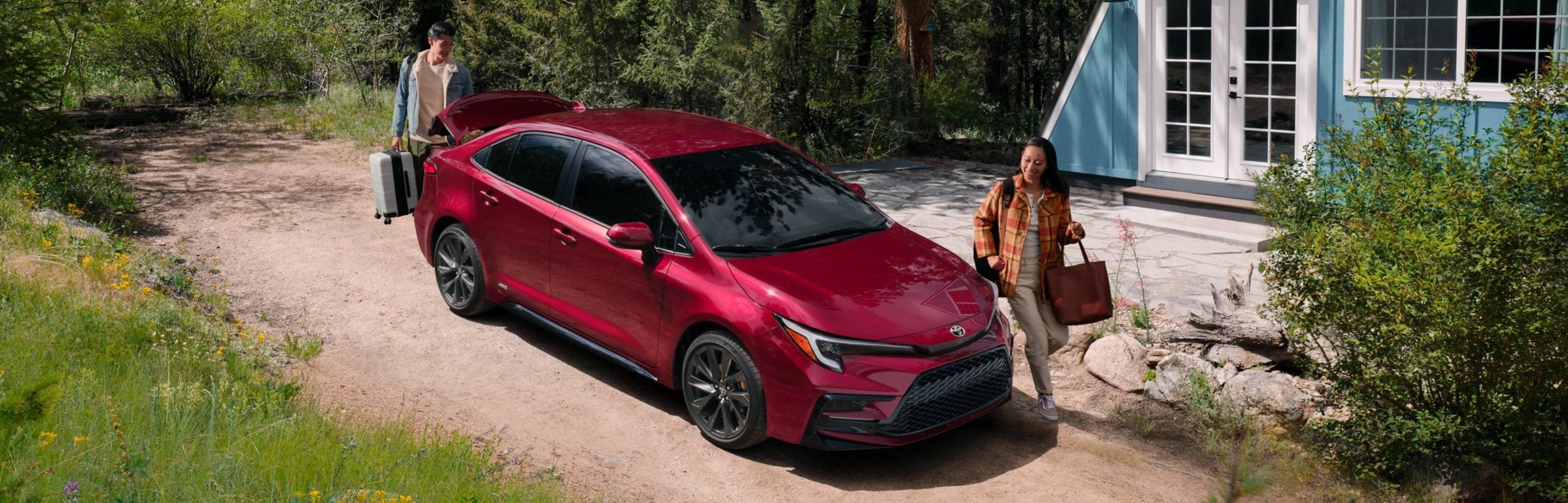
Choosing between two of the most trusted compact sedans on the market is worth doing carefully. The 2026 Toyota Corolla and the 2026 Honda Civic each bring genuine strengths, and both have earned loyal followings for good reason. If you're ready to skip ahead, contact our team at Titus-Will Toyota to schedule a test drive today. Otherwise, read on for an honest 2026 Toyota Corolla vs Honda Civic comparison across performance, fuel economy, technology, and interior space. This breakdown covers what you need to know. Performance: How the 2026 Corolla and Civic Stack Up When it comes to driving feel, the Corolla and Civic take noticeably different approaches. The standard Honda Civic LX produces 150 hp and leans into a sportier personality, with sharper steering and a more urgent feel on winding roads or highway merges. Driving enthusiasts tend to appreciate that responsiveness. The 2026 Toyota Corolla is built around a smooth, composed ride rather than outright performance. Its standard engine produces 169 hp, more than the Civic LX, and delivers that power with quiet confidence that wears well over thousands of miles of daily driving. For commuters logging miles on I-5 or working through Tacoma's stop-and-go traffic, that kind of stability is genuinely valuable. The hybrid comparison shifts things noticeably. The Civic Hybrid produces 200 total system hp, making it a legitimately quick option in this segment. The Corolla Hybrid is rated at 138 hp, so buyers prioritizing hybrid performance will find the Civic has a clear edge there. If outright hybrid punch matters to you, that's worth acknowledging honestly. Fuel Economy: Which Compact Sedan Goes Further on a Tank? Fuel efficiency is a top priority for most compact sedan shoppers, and the 2026 models from both brands deliver solid results. The 2026 Corolla LE earns EPA estimates of 32 city, 41 highway, and 35 combined MPG. The Civic LX posts nearly identical numbers at 32 city, 41 highway, and 36 combined MPG. In everyday use, the difference is practically negligible, and either sedan will keep your fuel costs manageable on Pacific Northwest commutes. Where the Corolla makes a stronger case is in its hybrid powertrain. Toyota has been refining hybrid technology for over two decades, and that experience shows in real-world efficiency. The Corolla Hybrid consistently earns some of the best fuel economy ratings in the compact sedan segment, making it a smart pick for eco-conscious drivers who want to stretch every gallon without sacrificing reliability. Whichever powertrain direction you're leaning, we'd love to walk you through the options in person. Reach out to our team at Titus-Will Toyota to find the Corolla configuration that fits your commute and budget. Technology and Infotainment Features Compared Modern compact sedans come loaded with technology, and both the Corolla and Civic reflect that. The 2026 Toyota Corolla comes standard with an 8-inch touchscreen across its lineup, offering a clean and consistent experience from the base trim up. Wireless Apple CarPlay, Android Auto, and Toyota's driver-assistance suite are all part of the standard package. The 2026 Honda Civic takes a different approach, starting with a 7-inch display on the LX and Sport trims, then stepping up to a 9-inch touchscreen on the Sport Touring Hybrid trim, which also adds a 10.2-inch digital instrument cluster. Civic owners often praise the interface for its intuitiveness, and the larger display options are a genuine perk for buyers who plan to run navigation or streaming audio regularly. Both vehicles include strong standard safety technology. Toyota Safety Sense covers pre-collision warning, lane departure alert, and radar cruise control, among other features. Honda Sensing offers a comparable set. For most buyers, the tech gap between these two comes down to interface preference rather than any meaningful capability difference. Interior Comfort and Cargo Capacity Step inside both cabins and you'll find two well-executed interiors, though with some real differences in proportion. The Civic's passenger volume of 99.0 cu ft gives it a meaningful advantage over the Corolla's 88.6 cu ft, and rear-seat passengers will notice the extra breathing room on longer drives. If you regularly carry adults in the back, that's a genuine advantage for the Civic. Cargo space follows a similar pattern. The Civic Sedan offers 14.8 cu ft of trunk space compared to the Corolla Sedan's 13.1 cu ft. For road trippers or families who load up the trunk regularly, the Civic's extra room is worth noting. The Corolla's cabin is comfortable and well-built, with quality materials that hold up over time. The rear seat is perfectly adequate for everyday use, and the overall layout is thoughtfully designed. These size differences are real but not dramatic. Most drivers and their passengers won't find the Corolla cramped. What Sets Each Model Apart Both vehicles earn their place in the compact sedan segment, but each brings something distinct to the comparison. Understanding those differences helps you figure out which one genuinely matches your lifestyle. 2026 Toyota Corolla: Distinctive Features Worth Knowing The Corolla's strongest calling card is its reputation for long-term reliability. Toyota consistently ranks among the top automakers for dependability according to J.D. Power, and the Corolla is central to that legacy. Kelley Blue Book regularly recognizes Toyota models for strong resale value, meaning your investment holds up better over time compared to many competitors. Safety features are standard across most trims, so buyers get solid protection without upgrading to a higher package. For buyers drawn to the hybrid route, the Corolla Hybrid's proven powertrain and exceptional efficiency make it an especially strong option for Pacific Northwest drivers looking to reduce fuel costs on daily commutes. 2026 Honda Civic: What It Brings to the Table The Civic counters with a more spirited personality and a cabin that feels a touch more spacious, particularly in higher trims. Its Civic Hybrid powertrain's 200 hp output is genuinely impressive for this segment, and drivers who enjoy a responsive, engaged feel behind the wheel will appreciate what the Civic delivers. Honda Sensing is well-regarded for accuracy and ease of use. The Civic's interior materials and layout also score well in owner satisfaction, particularly for the quality of soft-touch surfaces and control organization. For buyers who prioritize extra cabin room, a sportier hybrid, and a slightly more premium interior feel, the Civic makes a strong case. Why the 2026 Toyota Corolla Is the Smarter Choice Looking at the full picture, the Corolla builds a strong argument for long-term ownership. Toyota's reputation for building vehicles that go the distance without major repair bills is well-documented in third-party reliability assessments from J.D. Power and Consumer Reports, and the Corolla's strong resale value means less depreciation over time. For most everyday drivers, that combination of dependability and retained value is hard to beat. The Civic does offer more passenger room, more cargo space, and a stronger hybrid powertrain. Those are real advantages. But buyers who care most about keeping ownership costs low and want a refined, dependable daily driver will find the Corolla covers everything that matters, without giving up the technology or safety features modern buyers expect. The Corolla Hybrid stands out in particular for I-5 commuters and Puget Sound-area families who want to stretch every gallon. Toyota has been building hybrids longer than almost anyone, and that experience shows up in real-world fuel economy numbers that hold up year after year. Schedule a Test Drive at Titus-Will Toyota Experience the 2026 Corolla for Yourself Reading about the 2026 Toyota Corolla vs Honda Civic comparison only goes so far. The best way to know which car feels right is to get behind the wheel. At Titus-Will Toyota, located at 3506 S Sprague Ave in Tacoma, WA, you can experience the 2026 Toyota Corolla firsthand in a relaxed, no-pressure environment. Visit Us or Reach Out Online Titus-Will Toyota has been serving the South Puget Sound community since 1938. Our team is knowledgeable, easy to talk to, and happy to walk you through trim options, hybrid configurations, and financing choices that fit your situation. We welcome drivers from Puyallup, Gig Harbor, Federal Way, Olympia, Lakewood, and throughout the region. The showroom is open Monday through Friday from 9 AM to 8 PM, Saturday from 9 AM to 7 PM and Sunday from 10 AM to 6 PM. Schedule Your Test Drive Today Whether you're firmly in the Corolla camp or still weighing your options, contact our team to schedule your test drive at your convenience. We're here to help you make a confident, informed decision.

RHV_MY26_0055_V001

2026 Toyota RAV4 Vs 2026 Kia Sportage

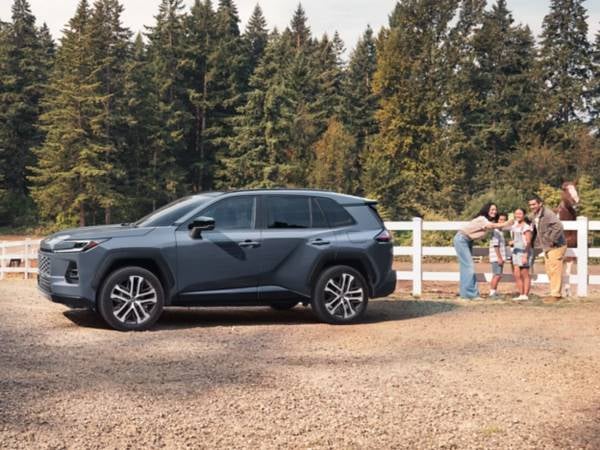
Compact SUVs occupy a sweet spot that's genuinely hard to find elsewhere in the market. You get real-world practicality without sacrificing fuel economy, and enough comfort that the daily commute doesn't wear on you. Two of the strongest options in this segment for 2026 are the Toyota RAV4 and the Kia Sportage, and if you've got both on your list, you've already done your homework. Both are capable SUVs with real appeal. The Sportage brings stylish design and value-conscious features, while the RAV4 leans into its reputation for reliability and hybrid-first performance. Put them side by side, and the differences matter more than they might initially appear. This guide breaks down how they compare across performance, space, tech, and long-term value to help you decide which one actually fits your life. Performance and Powertrain: How These Two SUVs Stack Up Powertrain choices shape the entire ownership experience. Fuel costs, driving feel, long-term confidence behind the wheel all trace back to what's under the hood. Toyota Goes Hybrid-Only For 2026, Toyota made a bold move with the RAV4: it's now a hybrid-only model. The RAV4 Hybrid produces 226 hp in FWD configuration and 236 hp with AWD. For drivers who want even more capability, the RAV4 Plug-in hybrid reaches 324 combined hp. Toyota has been refining hybrid systems since the late 1990s, and that depth of development shows in how the RAV4 drives. Kia's Powertrain Options The Kia Sportage offers more powertrain variety. The standard gas engine produces 187 hp, while the Sportage Hybrid steps up to 232 hp. That flexibility appeals to buyers who prefer a conventional drivetrain or want to choose their level of electrification. When comparing the hybrid variants directly, though, the RAV4 Hybrid's more powerful and better-developed system gives it a noticeable edge in real-world responsiveness. Towing Capacity: Where the RAV4 Pulls Ahead Towing is one of the clearest advantages in this comparison. The RAV4 can tow up to 3,500 lbs when properly equipped with AWD, or 1,750 lbs in FWD configuration. The Sportage Hybrid tops out at 2,000 lbs, and the gas Sportage reaches 2,500 lbs. For outdoor enthusiasts in the Pacific Northwest who haul boats, campers, or equipment trailers, that gap is meaningful and worth factoring into the decision. Cargo and Interior Space: Room for Your Real Life Interior space is one of the most scrutinized categories in any vehicle comparison, and the Sportage holds a genuine edge here. Behind the rear seats, the Sportage offers 39.5 cubic feet of cargo space, expanding to 73.7 cubic feet with the rear seats folded. The RAV4 comes in at 37.8 cubic feet behind the rear seats and 70.4 cubic feet fully folded, a real difference, though not a dramatic one in daily use. Toyota designed the RAV4's cargo area with a practical, square floor that makes packing efficient, and the cabin layout is well-organized for families loading gear on the way to the trailhead. The Sportage may offer more raw cubic footage on paper, but real-world usability in the RAV4 is competitive. Rear seat passengers may find slightly more legroom in the Sportage on longer drives, and that's worth acknowledging honestly. For most day-to-day use, school runs, grocery stops, weekend road trips, the RAV4's cabin is generous and well-organized. Technology and Infotainment: Smarter Where It Counts Both vehicles come loaded with modern technology. Kia equips the Sportage with a standard 12.3-inch touchscreen and a 12.3-inch digital instrument cluster, along with standard wireless Apple CarPlay and Android Auto. The layout feels modern and easy to navigate. The RAV4 comes standard with a 10.5-inch touchscreen, with a 12.9-inch display available on higher trims. It also features a 12.3-inch digital instrument cluster across all models, plus wireless Apple CarPlay and Android Auto compatibility and over-the-air update capability. The Sportage's standard screen is larger, which is worth noting. The RAV4's infotainment system, though, is stable and responsive. For buyers who want their tech to work without fussing over it, the RAV4 delivers that consistently. On the safety technology front, Toyota Safety Sense is standard across every RAV4 trim. Lane departure warning, automatic emergency braking, and adaptive cruise control are all included even on entry-level configurations. Kia DriveWise provides a comparable suite on the Sportage. Both vehicles take driver assistance seriously, and neither buyer has to pay extra to get meaningful safety coverage. Reliability and Long-Term Value: The Toyota Advantage When buyers ask which brand holds up better over time, reliability is where Toyota consistently wins the argument. Toyota's track record for building durable, long-lasting vehicles is among the most well-documented in the automotive industry. The RAV4 specifically has ranked among the most reliable compact SUVs on the market across multiple model years, with strong scores from J.D. Power quality studies and consistently high owner satisfaction ratings. Resale value follows reliability closely, and the RAV4 holds its value exceptionally well. That translates to a lower total cost of ownership when you factor in depreciation alongside fuel costs and maintenance. Kia has improved its reliability standing in recent years, and the Sportage is a better-built vehicle than its predecessors. The RAV4's stronger depreciation curve and longer reliability track record still make it the smarter long-term buy for drivers who plan to own their vehicle for several years or want strong trade-in value down the road. Why the 2026 Toyota RAV4 Is the Better Choice Looking at the full picture, the RAV4 earns its top spot for several compounding reasons. Its hybrid-only lineup delivers efficient, refined power that keeps everyday fuel costs down. With up to 3,500 lbs of towing capacity in AWD trim, it's a genuine utility vehicle for active families, not just a commuter. The reliability record and resale value make it a financially sound choice over time, and Toyota Safety Sense across all trims means buyers at every price point get serious safety technology as standard. Those advantages connect directly to how drivers in Tacoma, Puyallup, Lakewood, Gig Harbor, Federal Way, and Olympia actually use their vehicles. I-5 commuters benefit from the RAV4 Hybrid's fuel efficiency during heavy stop-and-go traffic. Families heading to Mount Rainier or the Olympic Peninsula appreciate the towing capability and cargo flexibility. Pacific Northwest winters make AWD a practical necessity, and the RAV4's available AWD hybrid system handles those conditions with a level of confidence the Sportage Hybrid's lower tow rating and less-developed hybrid technology can't fully match. For outdoor enthusiasts near Gig Harbor or heading into the Cascades, that added capability adds up across a full year of ownership. The Sportage is a genuinely good SUV. Its cabin space, standard large touchscreen, and powertrain variety make it worth a serious look, particularly for buyers who need every inch of interior room or prefer a gas-only option. Weighed against the RAV4's full range of ownership priorities across efficiency, towing, safety, reliability, and long-term value, though, the RAV4 consistently comes out ahead. Schedule a Test Drive at Titus-Will Toyota Reading specs and comparisons is a great starting point, but nothing replaces sitting behind the wheel. We're here to help you experience the 2026 RAV4 firsthand in a no-pressure environment. Located at 3506 S Sprague Ave in Tacoma, WA, we've been a trusted part of the South Puget Sound community since 1938, and that history shows in how we work with every customer who comes through our doors. Whether you want to explore the RAV4's hybrid performance, compare available trims, or talk through your financing options, our team is ready to help. To set up your visit or ask questions before you arrive, contact our team at Titus-Will Toyota and we'll get you behind the wheel of a 2026 RAV4.

RAV4

2026 Toyota RAV4 Vs 2026 Honda CR-V

Compact SUVs have become the default choice for drivers who want versatility without the bulk of a full-size vehicle. Two names keep coming up in that conversation: the Toyota RAV4 and the Honda CR-V. Both are well-built and practical, but when you dig into a real 2026 Toyota RAV4 vs 2026 Honda CR-V comparison, the differences become clear, and they matter more than most buyers expect. If you want to see those differences in person, we invite you to stop by Titus-Will Toyota in Tacoma and take a 2026 RAV4 for a test drive. The CR-V brings a refined interior and a comfortable ride that earns genuine praise. The RAV4 brings something broader: a hybrid-first powertrain lineup, stronger towing numbers, and a technology package built for modern drivers. For families in the Tacoma area and beyond, knowing exactly what separates these two can make the decision a whole lot easier. Performance and Powertrain: RAV4's Hybrid-First Strategy Wins Powertrain options shape the ownership experience more than almost anything else. For 2026, Toyota has made its position clear: the RAV4 lineup is hybrid-only. Every 2026 RAV4 is either a standard hybrid or a plug-in hybrid, across trims including LE, XLE Premium, Limited, Woodland, SE, XSE, and GR SPORT. There is no gas-only RAV4 for 2026. RAV4 Hybrid and Plug-In Hybrid: Clean Power With Purpose The RAV4 Hybrid delivers up to an EPA-estimated 47 mpg city and 40 mpg highway on certain trims, with combined ratings reaching up to 43 MPG combined on FWD configurations. AWD comes standard on most hybrid trims, so you're not trading capability for efficiency. The RAV4 Plug-in Hybrid goes further, offering a meaningful electric-only driving range that allows many daily commuters to run mostly on electricity, with a gasoline engine available for longer trips. Transitions between electric and gasoline power happen without driver input, so the ride stays smooth. The hybrid system's horsepower and torque also exceed what you'd typically find in a standard gasoline compact SUV, which gives the RAV4 a driving feel that's genuinely spirited rather than just fuel-conscious. CR-V's Mixed Powertrain Lineup: More Options, Less Focus The 2026 CR-V offers three powertrain paths: a 1.5-liter turbocharged gas engine producing 190 hp and 179 lb-ft of torque, a hybrid producing 204 hp and 247 lb-ft, and an e:FCEV hydrogen plug-in hybrid available only as a California lease. For most shoppers outside California, the real-world options come down to gas or hybrid. The CR-V hybrid is a solid vehicle, but Honda still treats gas as the default powertrain, with hybrid as an upgrade. There's no conventional plug-in hybrid option available to buyers nationwide. For anyone prioritizing an electrified driving experience, that gap matters. The RAV4's full commitment to hybrid power across every trim gives it a clear lead here. Towing Capacity: A Category Where the RAV4 Pulls Ahead Towing capacity might not be the first spec you check when shopping for a compact SUV, but for buyers who haul gear, pull a trailer, or get a boat on the water on weekends, it becomes a deciding factor fast. The 2026 RAV4 is rated to tow up to 1,750 lbs on FWD and base AWD LE configurations, and up to 3,500 lbs on all other AWD configurations when properly equipped. The CR-V gas model is rated for up to 1,500 lbs, while the CR-V hybrid drops to just 1,000 lbs. That gap isn't subtle. If you're planning to tow a pop-up camper or a utility trailer, the RAV4 is simply the more capable choice. For adventurous families or anyone using their SUV as a working vehicle on weekends, that difference is significant. Cargo Capacity: Comparing Interior Practicality Cargo space is where the everyday usefulness of a vehicle really shows up. The RAV4 offers 37.8 cu ft of cargo space with the rear seats up and 70.4 cu ft with the seats folded. Those are solid numbers for everyday hauling, whether you're loading up after a Costco run or packing for a weekend trip. To be straightforward about it: the CR-V holds a genuine advantage in maximum cargo volume, reaching up to 76.5 cu ft with the seats folded. If raw storage space is your top priority, the CR-V's edge is real and worth acknowledging. Cargo volume is only one part of the equation, though. The RAV4's towing capacity more than doubles the CR-V hybrid's rated limit, which matters the moment your gear doesn't fit inside the vehicle. Pair that with the RAV4's hybrid efficiency and its wide, square cargo opening that makes loading awkward items straightforward, and you have a vehicle suited to more of what real families actually need. For buyers balancing cargo space with weekend capability and fuel savings, the RAV4 is the better-rounded choice. Technology: How Each SUV Handles the Connected Driver Both vehicles are well-equipped for the connected driver, but the RAV4's technology package is built to complement its electrified mission. The 2026 RAV4 features available touchscreen displays of 10.5 or 12.9 inches depending on trim, with wireless Apple CarPlay and Android Auto compatibility and over-the-air update capability on select configurations. The interface is intuitive, and the learning curve for new owners is genuinely short. Toyota Safety Sense comes standard across the RAV4 lineup and includes pre-collision warning with pedestrian detection, adaptive cruise control, lane departure alert with steering assist, and automatic high beams. Buyers don't have to upgrade to a higher trim to get meaningful safety technology. The CR-V includes Honda Sensing as a standard package with a comparable set of safety features, so both vehicles score well on that front. Where the RAV4 creates more separation is in how its connected features support real-time energy monitoring and trip planning for hybrid drivers. For drivers who want their technology to work with their powertrain rather than just sit alongside it, the RAV4's integration stands out. If you'd like to experience the RAV4's technology suite hands-on before making a decision, contact our team at Titus-Will Toyota to schedule a test drive at your convenience. The 2026 Toyota RAV4 Is the Clear Choice. See It at Titus-Will Toyota After working through each category in this 2026 Toyota RAV4 vs 2026 Honda CR-V comparison, the RAV4 holds the stronger position across the areas that matter most. Its hybrid-first lineup delivers cleaner and more efficient driving for every buyer, not just those who opt up. Its towing capacity reaches 3,500 lbs on select AWD configurations, more than tripling the CR-V hybrid's 1,000-lb rating. And while the CR-V earns credit for its cargo volume advantage, the RAV4's broader capability makes it the better-rounded choice for most families and active drivers. The CR-V is still a well-made, comfortable vehicle. The 2026 RAV4, though, does more across more situations and reflects where Toyota's engineering focus is clearly pointed. We've been helping Tacoma-area drivers find the right vehicle since 1938, and we'd be glad to walk you through the full 2026 RAV4 lineup in person. Stop by Titus-Will Toyota at 3506 S Sprague Ave, call us at 253-319-2395, or reach out to Titus-Will Toyota online to schedule your test drive today.

HEV_MY27_0001_V001

What's the Difference Between the 2027 Highlander and the 2026 Highlander?

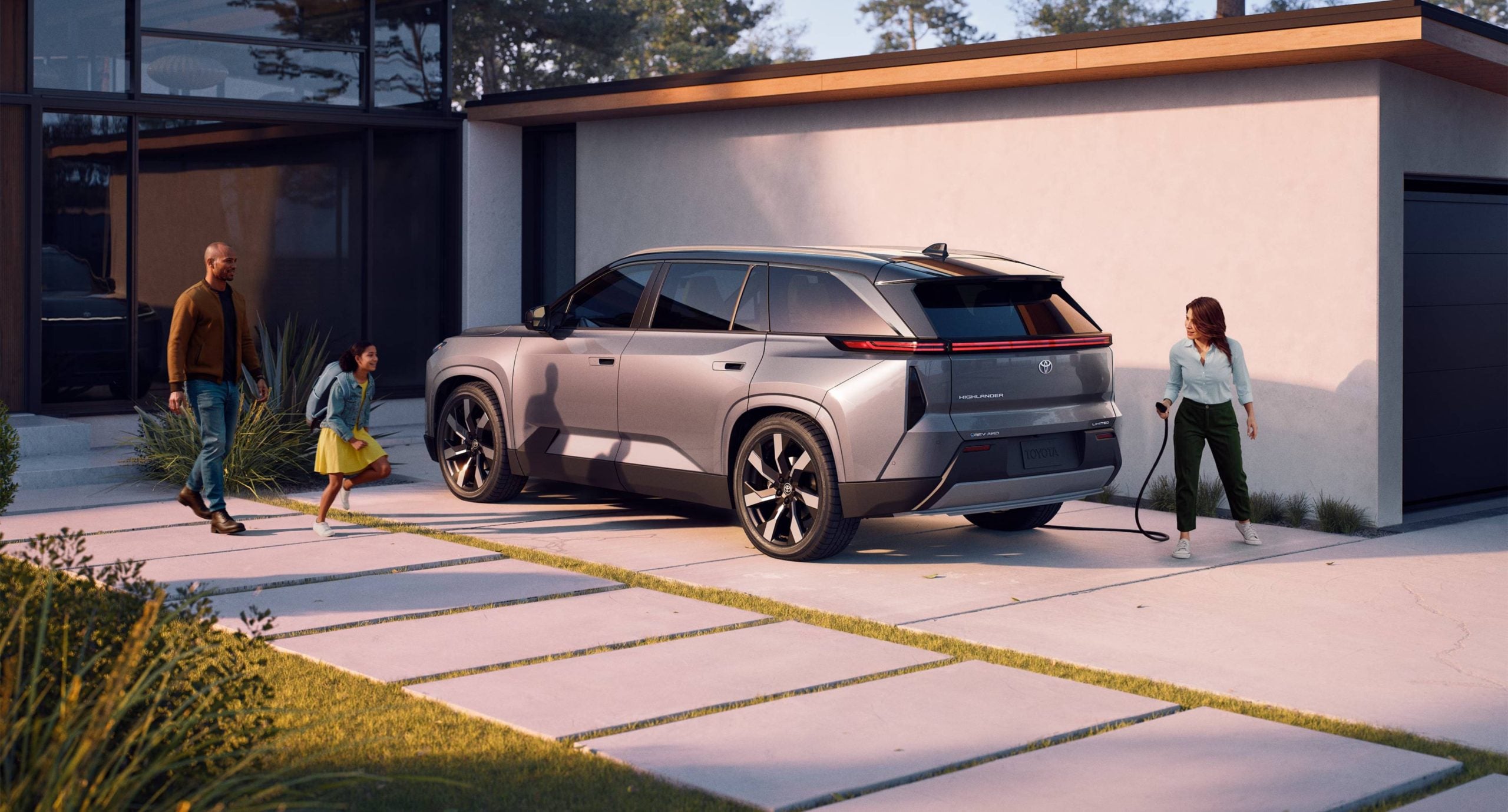
If you've been following Toyota Highlander news lately, you already know something significant is coming. The shift from the 2026 model to the 2027 isn't a minor refresh. It's one of the most meaningful changes the Highlander has seen in years, and the heart of that change is the powertrain itself. Whether you're shopping right now or trying to decide if the 2027 is worth the wait, here's a clear breakdown of how these two generations actually compare. You can also browse our current 2026 Highlander inventory if you want to see what's available in Tacoma today. The Biggest Change Between Generations: Gas and Hybrid vs. Fully Electric The headline difference isn't a new color or a bigger screen. It's the powertrain. The 2026 Toyota Highlander continues as a gas-powered and hybrid SUV, while the 2027 Highlander is expected to arrive as Toyota's first fully electric BEV in this segment. That's a fundamental shift in how the SUV is designed, driven, and refueled. This raises real questions for buyers. Do you want proven powertrain options you can drive home today, or are you ready to commit to an all-electric Highlander when it arrives? 2026 Highlander Powertrain Options The 2026 gives buyers two powertrain paths. The gas configuration pairs a 2.4-liter turbocharged 4-cylinder, producing 265 horsepower and 310 lb-ft of torque, with an 8-speed automatic transmission and standard AWD. Gas trims span XLE, XSE, Limited, and Platinum. The hybrid uses a 2.5-liter 4-cylinder paired with electric motors, producing 243 combined horsepower through a CVT, also with standard AWD. The big draw is efficiency: up to 35 MPG combined, which makes it a genuinely practical choice for families covering real distances around Puyallup, Lakewood, or Gig Harbor. Hybrid trims are available in XLE, Limited, and Platinum. 2027 Highlander: Toyota's First BEV Highlander Based on official announcements, the 2027 Toyota Highlander is expected to arrive fully electric in two configurations. The base XLE uses a single front-mounted motor producing 221 horsepower and 198 lb-ft of torque, paired with a 77-kWh battery and an estimated 287 miles of range. Worth noting: this base configuration is FWD rather than AWD, which is a reversal from what the 2026 offers as standard. The AWD configuration steps up considerably. Toyota expects dual motors producing 338 horsepower, with 198 lb-ft of torque from the front motor and 125 lb-ft from the rear motor, a larger 95.8-kWh battery, and an estimated 320 miles of range. For buyers who want both performance and all-weather capability, that AWD setup is genuinely compelling. Driving Range: Fueling Up vs. Plugging In The daily ownership experience will feel different in one very immediate way: how you replenish range. With the 2026 gas or hybrid models, you're stopping at a gas station for a few minutes. The hybrid's 35 MPG efficiency means fewer stops overall, and the turbocharged gas engine keeps performance strong without hurting you too badly at the pump. The 2027 changes that dynamic entirely. Toyota expects DC fast charging to bring the battery to 80% in roughly 30 minutes, with Level 2 home charging available for overnight top-ups. For most drivers in the Tacoma area, starting every morning with a full charge is genuinely convenient. If you're commuting from Federal Way or Olympia daily, plugging in overnight and waking up to 287 to 320 miles of range may fit your routine well. The practical question is charging infrastructure readiness. Fast charging stations are expanding across the region, but setting up home charging is an upfront consideration worth thinking through before the 2027 arrives. Trim Levels: A Broader 2026 Lineup vs. a Streamlined 2027 2026 Highlander Trim Structure The 2026 Highlander offers four gas trims (XLE, XSE, Limited, Platinum) and three hybrid trims (XLE, Limited, Platinum), giving buyers real room to match features to budget. That breadth is useful if you want a precise fit without overpaying for things you don't need. We currently have several of these grades in stock, so explore available 2026 Highlander models to see what's on the lot right now. 2027 Highlander's Two-Grade Structure The 2027 trims down to just two grades: XLE and Limited. That's a significant simplification, but both grades are expected to be well-equipped from the start. Less decision fatigue, and Toyota has concentrated a strong feature set into each rather than spreading things thin across many tiers. The XLE is expected to include a 14.0-inch touchscreen, a 12.3-inch digital gauge cluster, wireless charging pads, USB-C ports throughout the cabin, and Toyota Safety Sense 4.0. The Limited adds a head-up display, ventilated front seats, heated second-row seats, rear sunshades, Advanced Park, Traffic Jam Assist, a Panoramic View Monitor, Lane Change Assist, Front Cross Traffic Alert, and side-view mirrors with memory and reverse tilt. Both grades are expected to offer 64-color customizable ambient lighting with six mood settings and an available fixed glass panoramic roof that Toyota describes as the largest in its lineup. Passenger Capacity and Third-Row Space Both the 2026 and 2027 Highlanders are designed as three-row SUVs. The 2026 can seat up to eight passengers with an available second-row bench seat, while the 2027 seats up to seven, with six as standard (second-row captain's chairs) and an available bench seat bringing that to seven. The 2026 already earns solid marks for third-row usability within its class. Cargo figures reflect the roomier platform as well. Toyota expects 15.9 cubic feet behind the third row and over 45 cubic feet when the third row is folded flat. For families loading up for a weekend in Gig Harbor or a longer road trip, that capacity matters. Technology and Infotainment: What's Changing The 2026 Highlander delivers a capable tech package for its generation: Toyota's current infotainment system, Apple CarPlay, Android Auto, and Toyota Safety Sense 2.5+, covering pre-collision warning, lane departure alert, automatic high beams, and radar cruise control. The 2027 takes a clear step forward. The upgrade to Toyota Safety Sense 4.0 brings meaningfully enhanced driver assistance over what the 2026 offers, and the 14.0-inch touchscreen with a 12.3-inch digital gauge cluster on the base XLE alone makes the cabin feel considerably more modern. The Limited's additions, including Traffic Jam Assist, Lane Change Assist, and the Panoramic View Monitor, push the driver-assist package into territory that would've been premium-only just a few years ago. For tech-forward buyers, the 2027 is a more future-oriented platform. For buyers who want a capable, well-rounded SUV today, the 2026's technology holds up well. Should You Buy the 2026 Now or Wait for the 2027? This is the question we hear most from Highlander shoppers right now, and honestly, the answer depends on your situation. If you need a reliable, versatile three-row SUV in the near term, the 2026 is a strong choice without compromise. The hybrid's 35 MPG combined, standard AWD across both powertrains, and a full four-trim lineup give you real flexibility. Families who need a vehicle before late 2026 or early 2027, when Toyota expects the new model to arrive, shouldn't feel like they're settling. If you're drawn to the BEV ownership experience, excited about the 2027's expanded dimensions, or specifically want Toyota Safety Sense 4.0 and the updated tech package, waiting makes sense if your timeline allows. The key practical question is EV readiness: do you have access to Level 2 home charging, and are you comfortable with the DC fast charging infrastructure available in the Tacoma area? If yes to both, the 2027's estimated 320 miles of AWD range and 30-minute fast-charge capability start to look very practical for everyday life. Buyers with timeline flexibility who genuinely want to go all-electric have good reasons to wait. Buyers facing an expiring lease, an aging vehicle, or an immediate need for third-row capacity will find the 2026 ready to deliver right now. Schedule a Toyota Highlander Test Drive at Titus-Will Toyota The most useful thing you can do at this stage is get behind the wheel. At Titus-Will Toyota, you can experience the 2026 Highlander firsthand, sit in all three rows, and get real answers about what fits your family's life. Titus-Will Toyota has been serving the Tacoma community and the broader South Puget Sound area since 1938. The dealership is located at 3506 S Sprague Ave in Tacoma, WA, and the team offers a straightforward, no-pressure environment where your questions get direct answers. Showroom hours are Monday to Friday, 9:00 AM to 8:00 PM; Saturday, 9:00 AM to 7:00 PM; and Sunday, 10:00 AM to 6:00 PM. Whether you're ready to move forward on a 2026 today or want to talk through the 2027 timeline, we're happy to help. Contact our team to schedule a test drive or ask questions about either model. There's no better way to make a confident decision than talking to people who actually know these vehicles well.

pexels-kelly-28288013

Top Summer Events in Seattle for 2026

Seattle in the summer is something else entirely. The gray skies give way to long, golden days, the waterfront buzzes with energy, and the city's neighborhoods transform into stages for some of the best festivals in the Pacific Northwest. If you're based in Tacoma and looking for a genuinely memorable summer, extraordinary entertainment is less than an hour's drive away. Whether you're chasing live music, celebrating culture, or hunting down the best food in the region, Seattle's 2026 summer lineup has something that'll make the trip more than worth it. Why Seattle Makes the Perfect Summer Day Trip from Tacoma Tacoma residents have a real advantage when it comes to exploring Seattle's summer scene. The two cities sit comfortably close along I-5, making it easy to hop up for a Saturday festival and still be home in time for dinner, or stretch it into a full weekend getaway. Seattle's neighborhoods each carry their own personality, from the historic maritime feel of Ballard to the eclectic energy of Capitol Hill, so every visit tends to feel fresh. Visiting in July or August means long daylight hours, warm temperatures, and the kind of outdoor atmosphere that makes every event feel more alive. Waterfront parks, iconic piers, and sprawling green spaces serve as natural backdrops for events that blend urban culture with Pacific Northwest charm. That combination of accessibility and variety is exactly what keeps drawing South Sound residents back, summer after summer. Music and Arts Events You Won't Want to Miss Seattle has always punched above its weight in music. The city that gave the world grunge continues to nurture extraordinary talent, and each summer that creative spirit spills into the streets through large-scale festivals that blend live performance, visual art, and genuine community energy. For anyone serious about catching a summer music festival here, two events stand above the rest. Capitol Hill Block Party 2026 The Capitol Hill Block Party is one of those rare festivals that manages to feel both massive and intimate at the same time. Running August 7–9 across multiple outdoor stages and beloved indoor venues like Neumos and Barboza, this three-day event packs in over 100 performances from artists spanning hip-hop, electronic, rock, and R&B. The 2026 lineup includes MUNA, Wet Leg, Magdalena Bay, Parcels, Disco Lines, Tinashe DJ Set, DJ Trixie Mattel, Zack Fox, and Amber Mark, among many others. What makes it especially worth the drive is the neighborhood itself. Capitol Hill's restaurants, bars, and boutiques are all within walking distance, so the festival naturally spills into the surrounding streets. The sheer density of the programming means you're rarely waiting long between sets, and the mix of outdoor stages and intimate indoor rooms lets you curate the experience based on your mood. Tickets tend to sell out fast, so lock in your spot early. Bumbershoot Music and Arts Festival 2026 Now in its 53rd year, Bumbershoot holds a special place in Seattle's cultural identity. Held September 5–6 over Labor Day weekend, the festival spreads across a 74-acre campus at Seattle Center, set beneath the Space Needle. It's not just a concert; it's a full cultural weekend spanning music, visual arts, performance, and culinary programming all in one place. Ticket options include General Admission, GA with re-entry, and Deluxe passes, and children 12 and under are admitted free with a ticketed adult. One notable addition for 2026 is the new "Sip & Stroll" open-container experience, which lets you wander the grounds with a drink in hand. For Tacoma families or friend groups looking for a summer experience that genuinely checks every box, the Bumbershoot festival is the place to end the summer right. Seattle's Beloved Cultural Celebrations Seattle's cultural calendar reflects a city that genuinely celebrates its diversity. Beyond the music festival circuit, the city hosts large-scale community events that carry real emotional weight, drawing hundreds of thousands of attendees and creating shared experiences that locals look forward to all year. Seattle Pride 2026 Seattle Pride is one of the most joyful and visually spectacular events you'll find anywhere in the Pacific Northwest. The Seattle Pride Parade takes over downtown on Sunday, June 28, running from 11:00am to 3:30pm starting from Westlake Park to Seattle Center, drawing enormous crowds of participants and spectators alike. The event celebrates LGBTQ identity, rights, and community, with local artists, musicians, and organizations all taking part. Following the parade, PrideFest at Seattle Center is recognized as one of the nation's biggest Pride festivals and is still 100% free for all. Hundreds of vendors, food and drink options, and entertainment on three stages make it a full day's worth of celebration on its own. For allies and community members alike, the combination of the parade and PrideFest makes for one of the most inclusive and genuinely uplifting days on Seattle's summer calendar. Seafair 2026 If any event could be called Seattle's signature summer festival, it's Seafair. Now in its 76th year, Seafair spans a full 10 weeks, encompasses 40+ individual events, and draws over 2 million attendees across the season. The centerpiece is Seafair Weekend Festival, running Friday through Sunday, July 31 through August 2, 2026, with gates open from 8:30am to 6pm at Genesee Park and the Lake Washington waterfront. Friday General Admission is free courtesy of Windermere Real Estate. The Boeing Seafair Air Show brings the Blue Angels roaring overhead alongside the U.S. Army Golden Knights, and the Apollo Mechanical Cup hydroplane races deliver a different kind of spectacle on the water, with H1 Unlimited hydroplanes reaching speeds up to 220 mph just offshore. There's a particular electricity to watching those boats tear across Lake Washington with the skyline behind them, crowds packed along the shore in every direction. Seafair is the kind of event families return to year after year, and planning your South Sound summer around it means accessing multiple events in a single visit. Food and Drink Festivals Worth the Drive Seattle's culinary scene has earned serious national recognition, and summer is when that reputation really gets to show off. The city's food festivals draw vendors and chefs from across the region, offering the kind of sampling experience that's hard to replicate anywhere else. Bite of Seattle 2026 Now in its 41st year, Bite of Seattle delivers exactly what the name promises. Set at Seattle Center July 24–26, this popular festival brings together 300+ food vendors, retail pop-ups, craft beer and wine tastings, and 50+ musical artists across the weekend. Best of all, admission is free. A standout feature is The Bite Cooks, a dedicated stage for cooking demonstrations and friendly competitions featuring local chefs. The range of options is genuinely impressive, from upscale restaurant previews to beloved street food staples, reflecting Seattle's rich, multicultural food culture. Whether you're a dedicated foodie or just someone who appreciates a great meal in a lively outdoor setting, this one consistently delivers. Ballard Music & Seafoodfest 2026 Ballard has always had deep maritime roots, and every summer that heritage gets a delicious celebration at Ballard Music & Seafoodfest. The 52-year-old neighborhood festival runs July 10–12, with full programming Saturday and Sunday, July 11–12, and draws 75,000+ attendees annually. The food lineup leans into Ballard's Scandinavian and fishing heritage with alder-smoked salmon BBQ alongside 50+ additional food vendors covering everything from chowder to street snacks. Arts and crafts booths, live concerts, and headliner performances each evening round out a festival that genuinely appeals across age groups. The neighborhood itself adds to the experience: Ballard's independent shops and breweries make for great pre- or post-festival exploring. Tips for Planning Your Seattle Summer Weekend from Tacoma Getting the most out of a Seattle summer trip starts with a little advance planning. Here's what to keep in mind: Check WSDOT's traffic alerts before heading north on I-5, especially on summer weekends. Event days near Seattle Center and Lake Washington can significantly affect northbound travel times, and leaving earlier or later than peak hours makes a real difference. Parking near Seattle Center venues fills fast for events like Bite of Seattle and Bumbershoot. Consider parking further south and using Link Light Rail or a rideshare to cover the last stretch, which also makes the return trip less stressful. For Lake Washington events like Seafair Weekend, the Genesee Park area gets crowded early. Arrive well before the air show or races begin, and check whether nearby street parking is restricted for the event footprint. Transit from south King County via Sound Transit's Link Light Rail connects directly to downtown Seattle and Seattle Center, making it a practical option if you're traveling without gear. For high-demand events like Capitol Hill Block Party and Bumbershoot, purchase tickets as soon as they go on sale. Both festivals have historically sold out before event weekend. Seattle summers are mild but can shift unexpectedly. Pack a light layer even when the forecast looks clear, especially for evening performances. Hit the Road Worry-Free with Titus-Will Toyota Planning a Seattle summer from Tacoma means you'll be putting miles on your vehicle, and there's no better time to make sure it's road-ready. A quick pre-summer service appointment covers the basics: oil change, tire check, brakes, and fluids so that the I-5 drive feels as effortless as it should. Whether you're heading up for one event or building a full summer itinerary around several, knowing your vehicle is in solid shape makes every trip easier. Contact Titus-Will Toyota to schedule your service appointment before the season kicks off. Seattle's best summer events are waiting, and getting there smoothly is the first part of a great day.

pexels-burst-544959

Top Weekend Getaways in Tacoma in Spring 2026

As the signature Pacific Northwest rain gives way to budding flowers and longer days, the urge to explore awakens. Spring 2026 is the perfect time to plan a weekend escape from Tacoma, and having the right vehicle makes all the difference. Here in Tacoma, we see it every year: one sunny Friday pops up, and suddenly everyone’s trying to beat I-5 traffic north toward Seattle or west toward the coast. That’s why we put together this guide of practical trip ideas plus the kind of vehicle match-ups that actually make your weekend easier, safer, and more fun. Whether you’re dodging spray from semis on the I-5 commute corridor or checking mountain pass conditions before heading toward the Cascades, a little prep goes a long way. Get Your Vehicle Road-Trip Ready for Spring PNW spring weather isn't “predictable.” You can leave Tacoma under blue skies and hit a wall of drizzle by the time you’re passing Nisqually, then catch fog rolling in off Puget Sound on the way home. Before you go, we recommend a quick tire check for tread depth and proper pressure. Wet roads + standing water on I-5 is a real hydroplaning recipe, especially in the ruts where traffic rides every day. Next: wiper blades. It’s such a small thing, but constant spring drizzles can destroy visibility, whether you’re crawling through I-5 corridor commuting traffic or taking a winding coastal highway where spray kicks up from every oncoming car. Finally, get an oil change and top off fluids (coolant, brake, washer) so your engine stays happy if you’re climbing toward Mount Rainier or looping out toward the Peninsula. If you want it handled in one stop, the team at Titus-Will Toyota in Tacoma can take care of your pre-trip inspection; just use our online service scheduling page and pick a time that fits your week. Urban Escape: Arts and Culture in Seattle If your ideal weekend is more coffee shops and museums than mud and boots, Seattle is an easy win. From Tacoma, it’s a straight shot up I-5—just plan around peak traffic so you’re not stuck creeping past JBLM or getting boxed in near the downtown exits. Spring is a great time for Pike Place Market, the waterfront parks, and a walk around Green Lake when the cherry blossoms and fresh leaves start showing off. This is where an efficient, nimble vehicle really shines. A Toyota bZ4X is perfect for zipping around tight streets and slipping into smaller parking spots. Want the same easy city feel with more premium comfort? The Toyota Crown brings the style and quiet ride that makes stop-and-go traffic feel less like a chore. Seattle’s charging network keeps getting better, and it’s common to find chargers near shopping areas and garages—so you can top off while you’re out exploring. If you want a little more space for market finds, jackets, and a stroller (or just room to breathe), the Toyota RAV4 is a comfy middle ground. To see what’s available right now, check our new electric and hybrid inventory before you head north. And yes—this kind of planning is exactly why people keep searching for Top Weekend Getaways in Tacoma in Spring 2026 every year. Rugged Adventure on the Olympic Peninsula When you’re craving mossy forests, dramatic coastlines, and that “we’re really out here” feeling, the Olympic Peninsula delivers. From the south Sound, it’s a choose-your-own-adventure: you can drive around, or mix in a ferry depending on where you’re headed and what the ferry schedules look like that weekend. Either way, spring means wet trailheads, slick boat launches, and plenty of mud—so capability matters. If you’re hauling kayaks, bikes, or camping gear, a Toyota Tundra or Toyota Tacoma makes packing simple (and keeps muddy gear out of the cabin). Their 4WD systems are a big help on unpaved roads near places like Lake Quinault, where spring runoff can turn a “normal” gravel road into a sloppy mess. Coastal humidity can also mean more mold and mildew risk inside the vehicle—another reason to keep gear organized and the cabin easy to clean after a damp weekend. For family trips, a three-row Toyota Sequoia or Grand Highlander gives everyone room to stretch out on the long loop—plus space for coolers, rain jackets, and that extra blanket you’ll be glad you packed. We also hear it all the time from folks shopping from the north end: many drivers looking up Toyota Tacoma are doing it for exactly this reason—reliability and confidence for these kinds of Washington adventures. If you’re comparing options (or you want something ready for the next trip), start with our pre-owned truck selection. It’s a smart way to get the capability you want without overthinking it. Scenic Drive to Mount Rainier National Park Spring at Mount Rainier is a little bit of everything: lower elevations start to open up and green out, while higher elevations can still feel like winter. That’s why this drive is all about choosing a vehicle that’s comfortable on the highway and confident when conditions change. If you’re coming from the Tacoma area, you’ll notice the weather can shift fast as you climb—rain at the base, snow flurries higher up, and fog that comes and goes around corners. A Toyota Highlander or Toyota 4Runner hits the sweet spot for this trip: available All-Wheel Drive for wet mountain roads, a stable ride, and enough space for daypacks, boots, and the “just in case” layers we all carry in the Puget Sound region. Newer Toyota models also offer Toyota Safety Sense features that help on winding roads—especially where wildlife crossings can pop up near the park entrances. Even in spring, check mountain pass conditions and park road updates before you leave. And make sure your tires are up to the job—capable all-season or M+S tires are a big deal when the shoulder is slushy. If you’re shopping for the right AWD setup before your next trip, browse our new Toyota SUV inventory to see what fits your plans. Ready for Your Next Weekend? Spring trips around Western Washington are all about timing, traction, and having a vehicle that fits the plan—an EV for a Seattle city run, a capable Toyota truck for the Peninsula, or an AWD SUV for Mount Rainier’s changing conditions. Before any spring road trip, visit our service center in Tacoma so you’re not dealing with worn wipers, low fluids, or tires that can’t handle standing water. Want to take the next step? Visit our service department to get road-trip ready, or visit Titus-Will Toyota to shop what’s on the lot. If you’re ready to move quickly, call us today and we’ll help you line up the right vehicle for the kind of weekends you’re planning—whether you’re still thinking about Top Weekend Getaways in Tacoma in Spring 2026 or mapping out Spring 2026 right now. Frequently Asked Questions What is the best family-friendly weekend getaway from Tacoma in the spring? For a family weekend that feels like a real change of scenery without a massive drive, head to the coastal town of Aberdeen. You get the fun of the shore plus the educational bonus of the Lady Washington tall ship when it’s in the area. For the trip, a Toyota Sienna or Sequoia makes life easier—room for everyone, plus space for beach gear, rain boots, snacks, and the inevitable “we brought too much” bag. It’s a simple, low-stress spring win. Are electric vehicles practical for a weekend trip from the Tacoma area? Yes—EVs are absolutely practical for weekend trips from the Tacoma area, especially for destinations like Seattle or Portland where charging is easy to find. A Toyota bZ4X has plenty of range for a weekend loop, and charging is straightforward if you plan stops at malls, grocery stores, or parks using modern apps. You’ll also save on fuel costs, and the quiet ride is a nice perk in stop-and-go traffic on the I-5 corridor. What should I check on my truck before a rugged PNW trip? Before heading to the Olympic Peninsula or up toward the Cascades via routes that connect to Highway 2 or Highway 20, check tire pressure and tread first—mud and standing water are common in spring. Test your 4WD system, confirm all exterior lights work (rain visibility issues are real), and pack a basic recovery kit for muddy trailhead parking areas. If you’d rather not guess, a quick inspection at a certified service center can confirm you’re ready. How can I find a reliable adventure vehicle near Tacoma? Start by matching your adventures to the vehicle you actually need: AWD for mountain drives, a truck bed for wet gear, or three rows for family trips. If you’ve been searching “Toyota dealer near me,” “trucks for sale near me,” or even “car dealerships near me,” it helps to shop somewhere that regularly serves Tacoma-area drivers. Titus-Will Toyota in Tacoma (right by the Tacoma Auto Mall) has a deep lineup of new and pre-owned options like the Toyota Tundra and Toyota Tacoma —great choices for exploring Washington

pexels-cottonbro-5966959

Best Maintenance to Perform on Your Toyota in the Spring

Spring hits the Pacific Northwest with warmer temperatures and more rain, creating the perfect time to tackle your Toyota's maintenance needs. Here at Titus-Will Toyota, we've kept drivers in Olympia and surrounding areas on the road since 1938. Those decades of experience have taught us exactly which spring maintenance tasks matter most for keeping your Toyota safe and running smoothly. Why Spring Maintenance Matters for Your Toyota Even our mild Pacific Northwest winters put stress on your vehicle through temperature swings and wet conditions. Parts that worked fine during winter often show wear once spring rolls around. Taking care of these issues early prevents expensive repairs and keeps your Camry, RAV4, or any Toyota model performing properly. Spring maintenance also gets your car ready for summer driving. Your battery, cooling system, and air conditioning all need checkups to handle warmer weather. We've watched too many drivers put off this service until problems get worse, turning basic maintenance into major repair bills. Tires and Brakes: Your Spring Safety Checklist Tire Inspection and Service Start with tire pressure since temperature changes affect inflation. Proper pressure improves fuel economy, handling, and tire life for every Toyota model from the compact Corolla to the family-friendly Highlander. Tread depth becomes critical with spring rains creating road hazards. Try this quarter test: stick a quarter into your tire tread with Washington's head pointing down. If you can see the top of his head, your tread is below 4/32 inch and you need new tires. Our Toyota-certified technicians can also catch wear patterns that signal alignment problems requiring professional attention. If you skipped winter rotations, spring is the ideal time for this service to ensure even wear. Brake System Assessment Spring's wet conditions demand more from your brakes. Moisture leads to corrosion, while winter driving may have worn down pads and rotors. Strange noises or changes in pedal feel need immediate professional attention. Our technicians check brake pads, rotors, and fluid levels during spring visits. Brake fluid absorbs moisture over time, reducing effectiveness. Catching brake problems early protects your safety and prevents damage to more expensive components. Battery Health and Essential Fluid Refresh Spring is the ideal time to revitalize your Toyota’s performance, especially since even mild winter weather can take a significant toll on your battery. By testing its charge capacity and cleaning away terminal corrosion now, you can avoid the frustration of being stranded by a sudden failure. Beyond the battery, maintaining essential fluids is critical to your vehicle's longevity. During a spring inspection, it is vital to check your coolant to prevent summer overheating, ensure transmission and brake fluids are clean and at proper levels for peak performance, and top off your washer fluid to handle those frequent spring rain showers. Regular oil changes remain the backbone of engine health, generally following Toyota’s recommended 10,000-mile or 12-month interval for synthetic oil. However, it is important to remember that severe driving conditions common to our area, such as frequent short trips, heavy traffic, or towing, may require more frequent service every 5,000 to 7,500 miles. Always consult your owner’s manual for the specific requirements tailored to your model to keep your systems running smoothly. Belts, Hoses, Wipers, and A/C Preparation Spring inspections often reveal cracks or wear in belts and hoses. These components cost little to replace but cause major problems if they fail while you're driving. We examine serpentine belts, timing belts (if your model requires periodic replacement), and coolant hoses for wear. Winter weather damages wiper blades. If yours streak or make noise, replace them before heavier spring rains arrive. Good wipers dramatically improve visibility during Pacific Northwest downpours. Your air conditioning probably sat idle through winter. Testing it now, before you actually need it, allows time to fix refrigerant leaks or other issues. Our technicians check A/C performance and handle repairs using genuine Toyota parts designed for your vehicle. Spring Clean Your Toyota Inside and Out Deep cleaning protects your Toyota and improves every drive. Washing removes road dirt, salt, and debris that damage paint and cause rust. Follow with wax for protection against spring pollen and rain. Don't forget wheel wells and undercarriage areas where winter buildup accumulates. Inside, vacuum thoroughly and clean all surfaces. Replace your cabin air filter if it's been over a year or 12,000 miles. A fresh filter improves air quality and HVAC efficiency, which is particularly important for allergy sufferers during spring. Clean floor mats and check for moisture to prevent mold and odors. Schedule Your Spring Maintenance at Titus-Will Toyota Our Toyota-certified technicians understand your vehicle's specific needs. We use genuine Toyota parts engineered to manufacturer standards, ensuring reliable performance. During comprehensive multi-point inspections, we identify potential problems before they become expensive repairs. Ready to give your Toyota the spring maintenance it deserves? Schedule your service online for convenience, or call 253-323-9729 to speak with our team. Our service department is open Monday through Friday from 7 AM to 6 PM, and Saturday from 7 AM to 4 PM. Visit us at 3506 S Sprague Ave in Tacoma, where our experienced team has been keeping Pacific Northwest drivers on the road since 1938. Don't wait until small issues become big problems. Schedule your spring service today and drive confidently into the warmer months ahead.

pexels-mgnationstudios-17355630

The Ultimate Guide to Winter Activities in Tacoma, WA

While the Pacific Northwest is famous for its lush, green summers, locals know that Tacoma truly shines during the winter months. From the misty views along Ruston Way to the snow-capped peak of Mount Rainier looming in the distance, winter in the South Sound offers a unique blend of cozy indoor escapes and exhilarating outdoor adventures. Whether you are a lifelong Tacoman or a visitor looking to explore, the key to a great winter is a sense of adventure and a reliable vehicle to get you through the occasional rain and slush. Grab your rain boots and a hot latte—here are the best winter activities in Tacoma this season. 1. Dazzling Light Displays and Holiday Magic Tacoma transforms into a glowing wonderland during the darker months, providing the perfect backdrop for family memories. ZooLights at Point Defiance Zoo & Aquarium A true Tacoma tradition, ZooLights features over 800,000 LED lights illuminating the zoo’s pathways. You’ll see glowing 3D animal silhouettes, a walk-through tunnel of lights, and even the occasional appearance by a real-life walrus or goat. It’s an immersive experience that brings out the inner child in everyone. Fantasy Lights at Spanaway Park If you prefer to stay warm and dry inside your car, Fantasy Lights is the largest drive-thru holiday light display in the Northwest. Stretching nearly two miles along Spanaway Lake, this display features nearly 300 animated figures. Be sure to tune your car radio to the designated station to hear holiday music synchronized with the lights. 2. Adventure Awaits: Winter Sports Near Tacoma One of the best parts about living in Tacoma is our proximity to world-class mountain adventures. When you have an All-Wheel Drive (AWD) vehicle like a Toyota RAV4 or Highlander, the mountain is your playground. Snowshoeing at Mount Rainier National Park Just a short drive from the city, Mount Rainier offers some of the most stunning winter landscapes in the country. Head to Longmire or Paradise for ranger-led snowshoe walks or bring your own gear to explore the pristine snowfields. It’s a workout that pays off with breathtaking views of the Cascades. Skiing and Tubing at Crystal Mountain For thrill-seekers, Crystal Mountain Resort is the premier destination for skiing and snowboarding. If you aren't ready for the black diamonds, their snow tubing park is a blast for all ages. The drive up Highway 410 can be snowy, so ensure your tires are winter-ready before heading out. 3. Indoor Escapes: Culture and History When the Washington rain sets in, Tacoma’s world-class museums offer the perfect sanctuary. Tacoma Museum District Spend a day hopping between the Museum of Glass, the Tacoma Art Museum, and the Washington State History Museum. You can walk across the iconic Chihuly Bridge of Glass, which looks especially magical on a gray, misty afternoon. These indoor spaces are perfect for staying cultured while staying dry. LeMay - America’s Car Museum Vehicle enthusiasts shouldn’t miss America’s Car Museum. This four-story facility houses hundreds of cars representing over a century of automotive history. It’s a fantastic way to spend a Saturday afternoon learning about the evolution of the machines that move us. 4. Scenic Winter Walks and Waterfront Dining Winter doesn't mean you have to stay indoors. Sometimes, a brisk walk in the fresh air is exactly what you need to beat the winter blues. Point Defiance Park and Owen Beach The five-mile drive at Point Defiance Park is open to vehicles and offers several pull-offs with views of the Tacoma Narrows Bridge. For a closer look at the water, walk the newly renovated Owen Beach. The Puget Sound looks strikingly beautiful during winter storms, with deep steel-blue waters and dramatic clouds. Dining Along Ruston Way After your walk, head to Ruston Way for a warm meal. Places like The Lobster Shop or Anthony’s at Point Defiance offer floor-to-ceiling windows, allowing you to watch the waves while enjoying local seafood. 5. Community Festivals and Events The winter season in Tacoma is packed with community-focused events that celebrate the spirit of the South Sound. Tacoma Light Trail The Tacoma Light Trail is a free winter festival that brings light art and sound to the streets of downtown. You can follow a digital map to find sculptures, light projections, and live performances, making it a wonderful way to explore the city's urban core on a cold night. Preparing Your Vehicle for Winter Travel Tacoma winters can be unpredictable. One day it’s 45 degrees and raining; the next, we have a surprise "snowpocalypse" that shuts down the hills. To make the most of these winter activities, your vehicle needs to be in top shape. At Titus-Will Toyota, we recommend a few quick checks before you head out on your winter adventures: Check Your Tires: Proper tread depth and tire pressure are vital for traction on wet and icy roads. Inspect Your Battery: Cold weather is hard on batteries. If yours is more than three years old, have it tested. Top Off Fluids: Ensure your windshield wiper fluid is rated for freezing temperatures. Pack an Emergency Kit: Always keep a blanket, flashlight, and small shovel in your trunk if you plan on driving to the mountains. Final Thoughts Winter in Tacoma is a season of contrast—the warmth of a museum gallery against the bite of the mountain air, and the glow of city lights against the dark evergreen forests. No matter how you choose to spend your winter, make sure you have a vehicle that can handle the journey. If you are looking for an AWD vehicle to tackle the Cascades or just want a multi-point inspection before your next road trip, come see us at Titus-Will Toyota. We’re proud to be your local partner in every Washington season.Ready for a winter-ready ride? Browse our Used Toyota Inventory today and find the perfect AWD vehicle for your next adventure!

Contact Us

Fill out this form below and we'll contact you shortly
*Required Fields