Blog / Body Shop

Toyota-Certified Collision Center in Tacoma

Toyota-Certified Collision Center

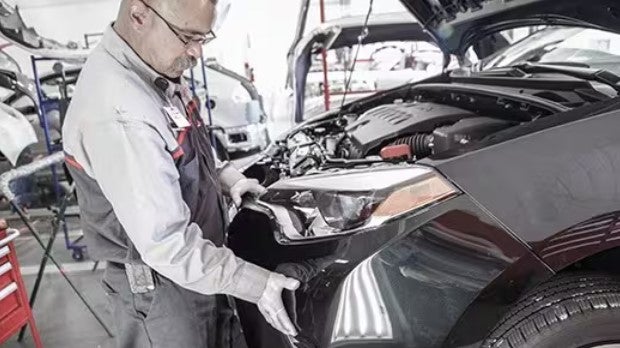
A collision can be a traumatic experience. The first and most important thing is to ensure that you and your passengers are safe and get the medical care you need. Putting the damage to your vehicle right will, of course, be next on your list of things to do. Here at Titus-Will Toyota in Tacoma, Washington, we have a professional certified collision center to help you do just that. With our highly trained staff and cutting-edge technology, we can diagnose problems and carry out extensive repairs to the highest standard.

The Only Toyota-Certified Collision Center in Tacoma

We're the only Toyota-certified collision center in Tacoma. This gives us the edge in professionalism and high-quality repair work on your Highlander or RAV4. Whereas other collision centers operate with general repair standards, we hold ourselves to the stringent quality requirements you've come to expect from Toyota. As a result, we can help you get back on the road with a car that performs at its best after we've put the damage right.

Our certified technicians go through regular training provided by Toyota. They know each Toyota vehicle inside and out and can perform repairs and maintenance that comply with Toyota warranty standards. When you stop by our Toyota collision center with your vehicle, we can ensure that you still enjoy warranty protection after your repairs are complete.

Another requirement for us to be a certified Toyota collision center is the original equipment manufacturer (OEM) parts we use. This means the manufacturer has approved the components for your specific vehicle model to ensure top performance and long-lasting durability once you get back on the road.

What To Expect From Our Collision Center

At our Toyota-certified collision center, we use cutting-edge equipment to carefully diagnose the damage your vehicle has suffered in the collision. While some damage may be obvious, such as broken windows, a warped hood, or deformed bodywork, internal damage can sometimes be harder to spot. For example, problems with your transmission or other mechanical components may require specialist diagnosis. Once the diagnosis is complete, we'll provide you with an overview of the necessary repairs and the expected cost, ensuring everything is transparent.

Auto body repair often involves insurance claims to cover the cost of repairs. Auto insurers are more likely to approve repairs coming from a Toyota-certified dealership. We can handle communication and billing with them directly. This can take a weight off your mind so you can focus on feeling better.

You can expect our Tacoma body shop to complete all necessary repairs to a very high standard. We don't just rely on certified technicians to guarantee top-notch quality. We also have thorough checks and auditing processes in place to monitor repairs and make sure everything is in good working order before you get your vehicle back.

The Toyota-Certified Advantage

What sets us apart from other repair shops? A third-party repair shop doesn't necessarily need to conduct repairs to the same standards expected of Toyota-certified centers. They may use poorer quality parts or spend less time putting things right.

If your vehicle still has a warranty, getting an independent shop to carry out extensive repairs could void it in the event of future damage or problems. However, the work we do for you has Toyota's full backing.

Finally, our team of auto experts has a shared knowledge of each Toyota model and how it works that far surpasses the general car awareness you'll find in a third-party repair shop. We understand the differences between repairing a Land Cruiser or a Tundra and follow Toyota's manufacturing standards to ensure the best results.

Tips for Post-Collision Maintenance

After your repairs at our Tacoma auto body shop are complete, sticking to a routine maintenance schedule is important. With regular checkups, our service experts can monitor your vehicle's performance and quickly identify any problems that may arise. Routine maintenance should include changing your engine oil and rotating your tires every six months, getting your fluids flushed every year or so, and replacing components that wear over time, such as brake pads or air filters.

You should also pay close attention to how your vehicle performs on the road following your collision repair. Do you notice any difficulty steering? Is your brake performance not quite right? If there's anything that you find unusual about your car after the repair is complete, tell us about it so one of our technicians can take a closer look.

Schedule Your Appointment Today at Titus-Will Toyota

Toyota-certified collision centers are here to help you through the difficult process of getting your car back on the road. We use a combination of well-trained professionals, cutting-edge tech, and high-quality OEM parts to do just that. We can work in partnership with auto insurers and ensure all repairs conform to Toyota warranty requirements. If you'd like to learn more or book a consultation at our collision center, feel free to contact our team today. We look forward to helping you in any way we can.

Posted in:

Related Posts

Tacoma Businesses to Use for Car Repairs, Towing, and Rentals

When your car throws you a curveball, having a few trusted local businesses on speed dial can make all the difference. Whether you need quick repairs after a fender bender, a reliable tow when you're stuck, or a rental car to keep life moving, Tacoma has some fantastic options. We've rounded up five standout businesses within a 30-minute drive of Tacoma that are open to the public and ready to help you get back on the road. Keep reading to discover some of Tacoma's best-kept secrets for car repairs, towing, and rentals! Titus-Will Collision Center When accidents happen, Titus-Will Collision Center is a name you can count on. Located right in Tacoma, their team specializes in everything from minor dents to major collision repairs. With their state-of-the-art facility and highly trained technicians, they take the stress out of auto body work. Plus, they work directly with insurance companies, making the process smoother for you. Their commitment to quality and customer satisfaction has made them a trusted name in the community for decades. Enterprise Rent-A-Car When your vehicle's out of commission, Enterprise Rent-A-Car on South Tacoma Way is a convenient choice. Known for their "We'll pick you up" service, Enterprise makes getting a rental car easy and stress-free. They offer a wide range of vehicles, from fuel-efficient sedans to roomy SUVs, so you can find something that fits your needs. Their friendly team will help you choose the right ride and get you on your way in no time. Plus, their South Tacoma location is easy to reach for residents all around the area. Photo by Andrew Valdivia on Unsplash Liberty Towing If you're stuck on the side of the road, Liberty Towing is ready to help. Based in Tacoma, Liberty Towing offers fast, friendly, and professional towing services 24/7. Whether you need roadside assistance, a tow to the repair shop, or recovery services, they have the experience and equipment to handle it all. With a strong focus on customer satisfaction and quick response times, Liberty Towing is a reliable name to have in your contacts when you need a lift. Titus-Will Service and Tire Center When it comes to regular maintenance and tire services, the Titus-Will Service and Tire Center is a fantastic resource for Tacoma residents. Located conveniently in Tacoma, they offer a full range of services, including oil changes, brake repairs, tire replacements, and more. Their certified technicians are committed to providing top-quality service and honest recommendations. Whether you need routine maintenance or help with a sudden issue, you can count on the Titus-Will team to keep your vehicle running smoothly. Stay Prepared with Tacoma's Best Car Services Life throws enough curveballs — your car shouldn't be one of them. Luckily, Tacoma residents have some incredible local businesses ready to help when the unexpected happens. From collision repairs and towing to rental cars and tire services, these businesses have you covered within a 30-minute drive. Whether you're dealing with a fender bender or just need a quick rental, knowing where to turn can save you time, stress, and money. To learn more about collision repairs, maintenance, and tire services all in one place, visit Titus-Will Toyota. Be sure to keep this list handy the next time your car needs a little extra TLC!

CHR

2026 Toyota C-HR vs 2026 Hyundai Kona

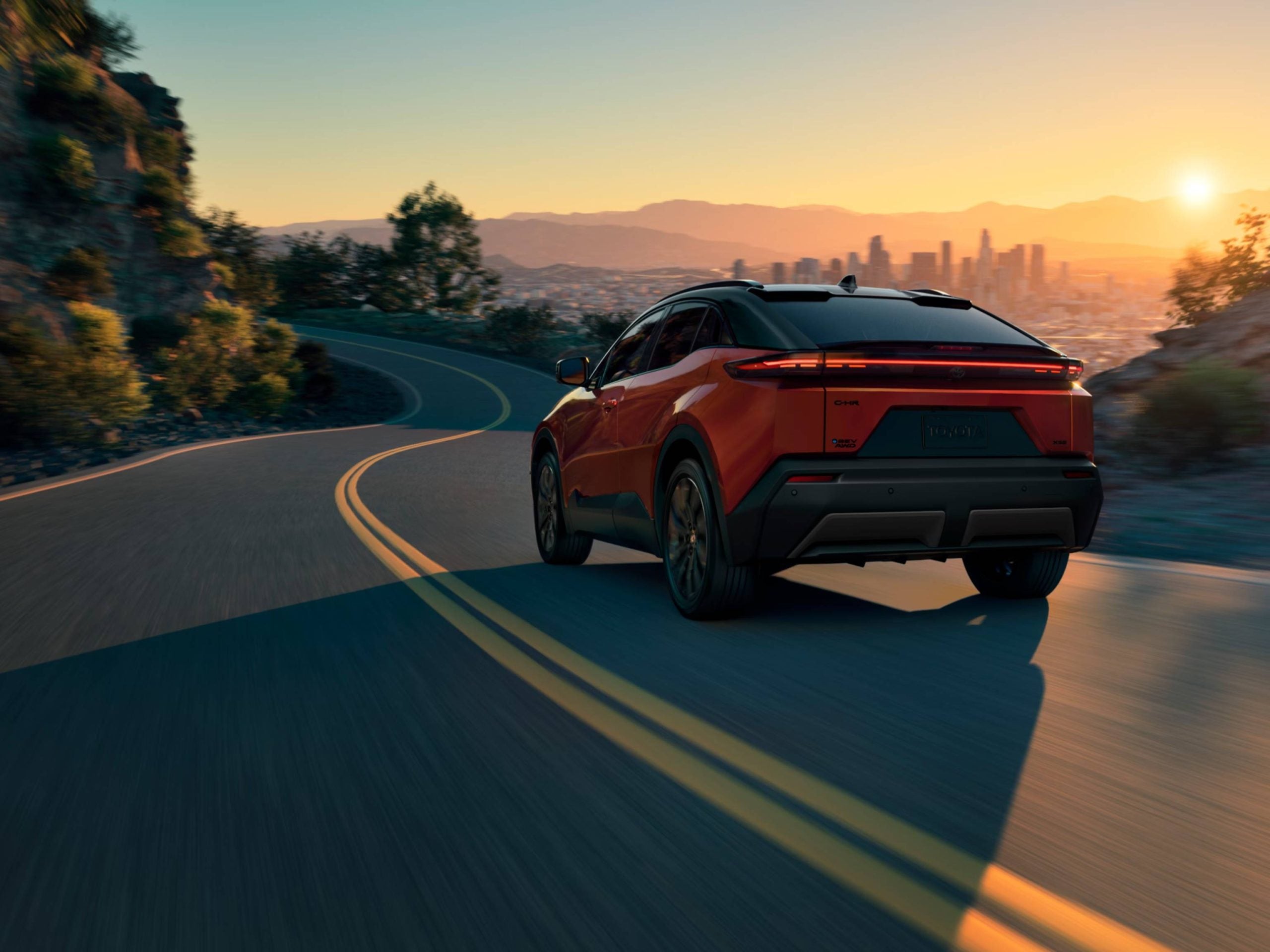
Shopping for a compact SUV in the Tacoma area? You're looking at two very different takes on what a small crossover should be. The 2026 Toyota C-HR and 2026 Hyundai Kona each have their own philosophy. Toyota doubles down on hybrid efficiency and rock-solid safety, while Hyundai gives you choices, lots of them. Want a basic engine? They've got it. Turbocharged fun? Yep. Full electric? That too. Figuring out which approach fits your life makes all the difference. 2026 Toyota C-HR vs 2026 Hyundai Kona: Key Differences at a Glance Here's the thing that sets these apart right away: Toyota went all-in on hybrid tech for the upper trims, banking on smooth operation and that legendary Toyota reliability. Hyundai said, "Why pick just one?" and built a lineup that spans from budget-friendly conventional engines to electric powertrains that'll make you forget gas stations exist. The C-HR keeps things simple. The Kona? It's complicated, but in a good way. Comparison Table with Tech Details The numbers tell a story. Toyota's banking on that 5-star safety rating and hybrid reliability. Hyundai counters with better base fuel economy, all-wheel drive when you need it, and that electric option Toyota just doesn't have yet. Trim Levels Breakdown 2026 Toyota C-HR Trims and Features Toyota keeps things straightforward with the C-HR lineup: GXL, Koba, and C-HR+. Most of these center around hybrid variants, which actually simplifies your decision. You're not going to sacrifice safety features just because you picked the base trim. Toyota Safety Sense comes standard everywhere, period. That's refreshing in a world where some manufacturers make you pay extra for basic protection. The GXL gets you started with solid tech and comfortable seats, plus the full safety suite. Step up to the Koba and you'll notice nicer materials and extra comfort touches. The C-HR+ tops things off with Toyota's best tech and luxury features for this size vehicle. What's nice about this approach? You won't find yourself missing crucial safety systems because you didn't want to spend extra money. The differences between trims focus on comfort and convenience, not fundamental capabilities. 2026 Hyundai Kona Trims and Features Hyundai spreads the Kona across more territory, starting with value-focused base models and climbing through Elite and Premium trims to that Extended Range electric variant. More choices means more complexity, though. You'll need to pay closer attention to what each trim actually includes. Base Kona models handle transportation duty just fine with decent standard equipment. Elite trims add better tech and comfort features, while Premium variants bring luxury touches and advanced driver aids. The Extended Range electric sits in its own category for buyers ready to go fully electric. This variety gives you flexibility, but it also means features can vary dramatically between trim levels. If you want specific safety tech or convenience features, you might need to jump several trim levels up, which changes the math on pricing pretty quickly. Performance and Powertrain Comparison 2026 Toyota C-HR Engine and Driving Dynamics The base C-HR runs a 2.0-liter four-cylinder making 144 horsepower, tied to a CVT and front-wheel drive. It's adequate for daily driving without being exciting. Think competent commuter, not weekend warrior. Hybrid trims change the game completely. The 1.8-liter four works with an electric motor for 103 kW total output, and the difference is immediately noticeable. Electric torque helps with city driving responsiveness, and the transitions between gas and electric happen so smoothly you'll barely notice. It's genuinely refined in a way the base engine simply isn't. Toyota tuned the C-HR for comfort, not canyon carving. Steering feels light around parking lots and weights up reasonably on highways, but don't expect much feedback. The suspension soaks up most road imperfections without jarring you, which works well for Tacoma's mix of surfaces. Acceleration sits firmly in "adequate" territory. The hybrid's electric assist helps off the line, but highway passing requires some planning. If you're someone who enjoys spirited driving, spend some real time with the C-HR before deciding. Toyota clearly prioritized efficiency and comfort over engagement here. 2026 Hyundai Kona Engine Options and Handling Base Kona models use a 2.0-liter four making 147 horsepower and 132 lb-ft of torque. Like the C-HR's base engine, it handles daily tasks without drama. The CVT works smoothly, and all-wheel drive availability helps when weather gets nasty or you want to explore light trails. Then there's the turbocharged 1.6-liter four, and wow, what a difference. 195 horsepower and 195 lb-ft through a seven-speed dual-clutch automatic transforms this thing. Suddenly you've got genuinely engaging acceleration and responsive power delivery. This engine turns the Kona from practical transportation into something approaching hot hatch territory. The electric Kona rewrites everything with 201 horsepower and a massive 291 lb-ft of instant torque. That immediate power delivery makes it feel much quicker than the specs suggest, especially from stops or when merging. The 258-mile range handles most Tacoma-area driving patterns without stress. Hyundai tuned the Kona's suspension slightly firmer than the C-HR's, which creates more direct handling. You get better steering feedback and the chassis feels more planted through corners. The tradeoff? You'll feel more of what the pavement's doing, but that's the price of better road connection. Toyota Safety Sense: Standard Protection on Every Trim Safety creates the biggest gap between these vehicles. The C-HR's 5-star safety rating beats the Kona's 4-star rating, and for protection-focused buyers, that matters more than anything else on the spec sheet. Every C-HR comes with Toyota Safety Sense: adaptive cruise control, lane-keeping assist, pre-collision system with pedestrian detection, driver monitoring, and blind-spot monitoring. Eight airbags surround the cabin for complete protection, even on the base trim. Hyundai’s Tech: Impressive, but Trim-Dependent Hyundai's safety features impress too, though availability depends on your trim choice. Blind-spot monitoring includes steering wheel vibration alerts, which grab your attention better than visual warnings alone. Forward collision avoidance tech watches ahead and can intervene with braking. Surround-view cameras and parking sensors make tight spaces easier, while driver monitoring tracks your attention levels. Infotainment and In-Cabin Experience Both offer modern infotainment with smartphone integration, though screen sizes and interfaces differ. The C-HR typically features intuitive controls and clear graphics that minimize distraction. The Kona often provides larger displays with more customization options for tech enthusiasts. The Verdict: Safety That Comes Standard The C-HR's superior crash test rating and comprehensive standard safety across all trims make it the stronger choice for protection-focused buyers. The Kona's features are advanced, but the lower overall safety rating and trim-dependent availability require more careful evaluation. Interior Space, Comfort, and Practicality Interior packaging reveals practical differences that affect daily life. The C-HR offers up to 388 liters of cargo space, handling groceries, luggage, or gear adequately. Rear seats work for adults on shorter trips, though taller passengers might notice limited legroom on longer journeys. The cabin prioritizes style, sometimes at the expense of maximum space. The Kona generally provides more generous passenger and cargo room within similar exterior dimensions. Clever packaging creates a surprisingly roomy feel, with rear seats offering better legroom than the C-HR. Cargo capacity stays competitive across Kona trim levels, and the rear seats fold easily when you need more storage. Both use quality interior materials that improve with higher trim levels. The C-HR's cabin emphasizes bold styling and modern aesthetics, using interesting textures and colors for visual impact. Build quality feels solid with tight panel gaps and satisfying controls. The Koba trim adds particularly nice touches with premium upholstery and enhanced finishes. The Kona's interior takes a more conventional but functional approach, balancing style with usability. Controls fall naturally to hand, and layouts stay intuitive without much learning curve. Premium trims introduce upscale materials and thoughtful amenities that enhance longer drive comfort. Seating comfort varies by trim and personal preference. The C-HR's seats provide good support for most body types, though some find them slightly firm on extended highway trips. Kona seating generally gets praise for all-day comfort, with sufficient cushioning and adjustability for different physiques. Climate control works effectively in both, with higher trims offering dual-zone automatic temperature control. Sound insulation adequately dampens wind and road noise, though neither achieves luxury-car quietness. The Kona's slightly larger cabin may transmit marginally less noise at highway speeds. Fuel Economy and Efficiency Comparison Toyota C-HR: Efficient Hybrid Power Fuel efficiency matters for compact SUV buyers, and these take different approaches. The C-HR achieves approximately 29 MPG combined in EPA estimates: 27 MPG city, 31 MPG highway. This proves respectable, and hybrid trims deliver these numbers while providing smooth operation. The estimated 409-mile range means fewer fuel stops during daily routines. Hyundai Kona: More Range, More Variants The 2026 Hyundai Kona takes a different route. Its base engine achieves 32 MPG combined (30 city / 35 highway), offering a longer 462-mile range, ideal for long-distance commuters. However, higher-performance turbo trims trade fuel economy for extra power. Electric Option: Kona’s Zero-Emission Edge For eco-conscious buyers, the Kona Electric removes gas from the equation entirely. With an estimated 258-mile electric range, it suits most Tacoma-area driving needs while cutting fuel costs and emissions. Toyota’s Strategy: Hybrid Strength, Proven Reliability The C-HR lacks a full electric variant, limiting options for zero-emissions seekers. Its hybrid trims provide excellent efficiency within traditional frameworks, but they can't match the electric Kona's environmental benefits or potential operating cost savings. This reflects Toyota's current product strategy, though they offer electric options in other segments. Consider your typical driving patterns and priorities. The Kona's base engine delivers the best conventional fuel economy while its electric variant offers the lowest operating costs and environmental impact. The C-HR's hybrid trims split the difference with very good efficiency, proven reliability, and no range anxiety or charging requirements. Exterior Design and Styling Visual appeal stays subjective, but these project distinctly different personalities. The C-HR embraces bold, angular styling that definitely stands out in traffic. Sharp creases, aggressive lighting signatures, and coupe-like proportions create a distinctive appearance that attracts attention. Some love this daring design while others find it too dramatic. The polarizing nature means you should examine the C-HR carefully to ensure its looks work for you specifically. The Kona takes a more versatile design approach, blending modern elements with broader appeal. Its proportions read clearly as a compact SUV without unusual flourishes or extreme angles. Updated front and rear treatments create contemporary appearance while maintaining approachable styling that ages well. This design likely appeals to more buyers, though it gives up some of the C-HR's visual impact. Both offer multiple exterior colors for some personalization. Wheel designs vary by trim level, with larger wheels enhancing visual presence on upper models. LED lighting features on most trims, improving nighttime visibility while creating modern signatures. The C-HR's lower roofline contributes to its sleek profile but slightly restricts rear headroom and cargo access. The Kona's more upright proportions maximize interior space while maintaining attractive styling. This fundamental difference affects both aesthetics and practicality. Which Compact SUV Is Right for You? Choosing between the 2026 Toyota C-HR and 2026 Hyundai Kona depends on your priorities and intended use. The C-HR suits buyers who value safety above all else, appreciate hybrid efficiency, and prefer Toyota's proven reliability record. Its 5-star safety rating provides exceptional peace of mind while the hybrid powertrain delivers smooth, efficient operation perfect for Tacoma commutes. The consistent trim structure simplifies decisions, ensuring comprehensive safety features regardless of price point. The Kona appeals to shoppers seeking maximum flexibility and choice. Its diverse powertrain lineup accommodates different needs, from economical base models through sporty turbocharged variants to zero-emissions electric driving. Available all-wheel drive enhances capability, and generally superior interior space benefits families or buyers who regularly carry passengers and cargo. Better base fuel economy and longer range reduce fuel stops for conventional models. Test-Drive the 2026 Toyota C-HR at Titus-Will Toyota Specs tell one story, driving tells the truth. Experience the 2026 Toyota C-HR firsthand at Titus-Will Toyota, Tacoma’s trusted dealership since 1938. Feel how it handles local roads, test visibility, comfort, and control placement, and see how it fits your daily life. Bring the family to check rear-seat space and cargo flexibility. Our friendly team will walk you through key features, hybrid efficiency, and safety tech that make the C-HR stand out from competitors like the Hyundai Kona. We’ll also outline financing options and service programs that keep your Toyota performing like new for years. Visit Titus-Will Toyota today to schedule your test drive, explore current offers, and see why drivers across South Puget Sound trust us for all things Toyota.


Toyota 4 Runner in a forest

How the 2026 Toyota 4Runner Redesign Builds Legacy

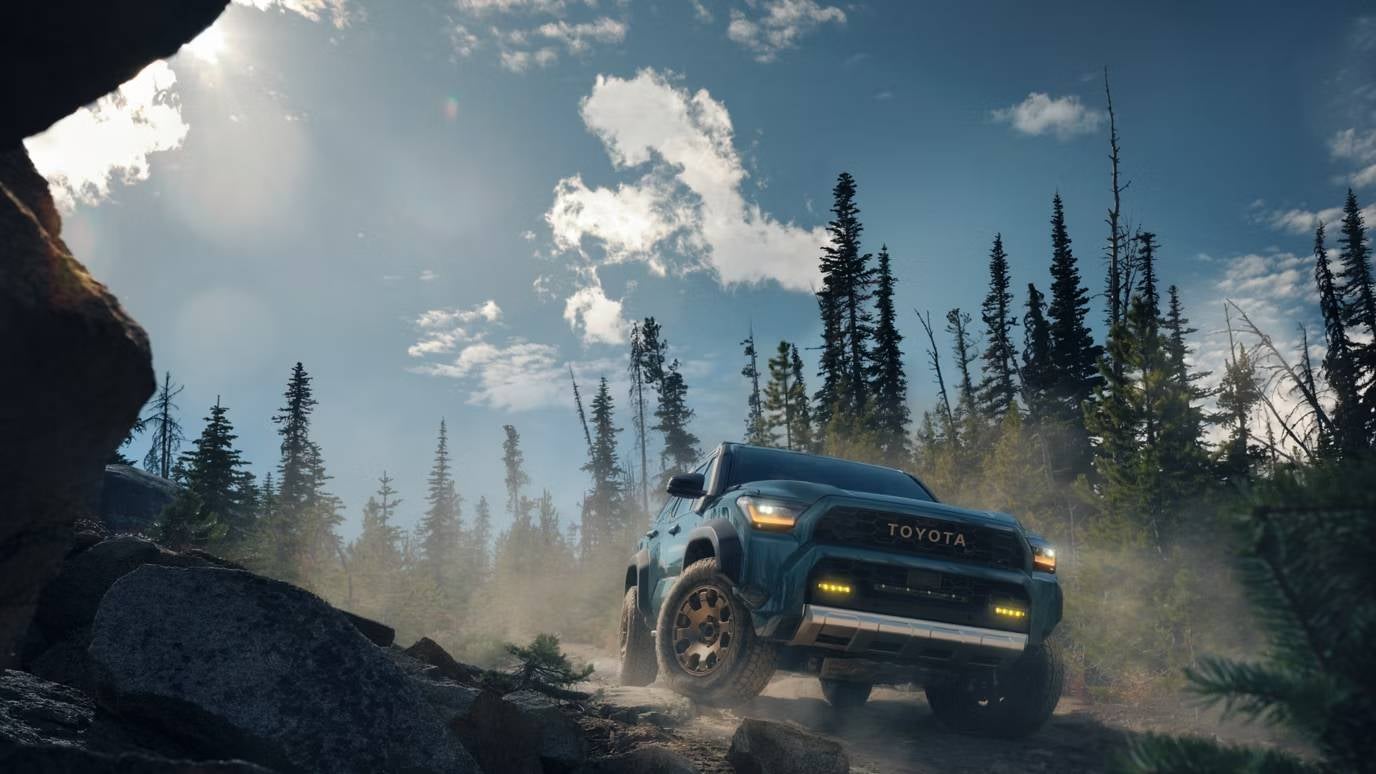
The Toyota 4Runner has dominated the SUV market since it debuted in the mid-80s. Over the course of several generations, this marvel of automotive engineering has captivated SUV enthusiasts with its incredible off-road performance and unparalleled versatility. Toyota introduced the sixth-generation 4Runner for the 2025 model year in 2024, with significant overhauls to the engine lineup, exterior and interior design, and trim levels. The 2026 model builds on these changes with minor updates that drastically improve its driving experience. Here's everything you can expect from the all-new 2026 Toyota 4Runner. Revolutionary Design Changes That Honor the Past The 2026 Toyota 4Runner retains the classic boxy exterior design from the outgoing generation. However, this sixth-generation model brings fresh elements to the already stylish SUV. Its front fascia is characterized by a bold new Toyota Heritage grille and an integrated lighting bar, which imbue it with a modern vibe. The model also comes with new LED headlights, which further enhance the dynamic appearance of its front end. The new 4Runner features a revamped exterior paint color palette, with nine distinctive options to choose from. They include Heritage Blue, Everest, Supersonic Red, Mudbath, Underground, Black, Ice Cap, Cutting Edge, and Wind Chill White. The model is also available in a total of nine trim levels: TRD Sport, SR5, TRD Off-Road, TRD Off-Road Premium, Limited, TRD Pro, TRD Sport Premium, Trailhunter, and Platinum. With such a broad lineup, you're guaranteed to find a 4Runner model that suits your lifestyle. For the 2026 iteration of the 4Runner, Toyota continues to offer a spacious and practical cabin that prioritizes the comfort of all occupants. Its interior is more spacious than it was on the previous generation, with an additional two inches of legroom for passengers in the second row and an extra two and a half inches for third-row occupants. Front row legroom has also increased significantly since the previous generation, giving the driver and front passenger more wiggle room for their legs. Seating options range from fabric-upholstered seats on the base SR5 model to SofTex-and leather-trimmed seats in higher trims. Additional comfort features, depending on the trim, include heated and ventilated front seats, a heated and leather-trimmed steering wheel, and a dual-zone automatic climate control system with an air filter. Powertrain Revolution: The Hybrid Legacy Builder Throughout its fourth and fifth generations (2003-2024), the 4Runner's main powertrain was a 4.0-liter V-6, which, at its best, delivered 270 horsepower. However, for the sixth-generation model, Toyota discontinued the legendary V-6 engine in favor of an i-FORCE 2.4-liter turbocharged four-cylinder. This powertrain, standard on all 2026 4Runner gas models, produces 278 horsepower and 317 pound-feet of torque. This is a significant improvement from the V-6 of the previous generation. For those seeking extra power and efficiency, there's a potent new hybrid powertrain that pairs the i-FORCE 2.4-liter engine with an electric motor. This setup produces a net combined 326 horsepower and 465 pound-feet of torque. The new engines significantly improve the 4Runner's fuel economy ratings. Whereas the V-6 from the fourth-generation model achieved EPA-estimated ratings of 16 city mpg and 19 highway mpg, the new i-FORCE 2.4-liter four-cylinder is rated at 19 city mpg and 25 highway mpg for rear-wheel models. Advanced Capability: Building on Off-Road Dominance The Toyota 4Runner has long been sought after for its exceptional off-roading capabilities, and the 2026 model carries forward this legacy with exciting new overlanding features. The available part-time and full-time four-wheel drive systems optimize power delivery to all four wheels for enhanced traction on challenging terrain. Also available for this model year is Multi-Terrain Select, which controls wheel spin by adjusting engine throttle and braking to achieve optimal traction on mud, sand, and snow. Crawl Control is another feature that comes in handy, particularly when driving on challenging terrain at low speeds. It controls acceleration and braking, allowing you to focus on steering. The new generation Toyota 4Runner offers the best towing rating in the model's history. When properly equipped, the 2026 4Runner can tow a maximum of 6,000 pounds, representing a 1,000-pound increase from the fifth generation. Technology Integration: Modern Tools for Adventure The 2026 Toyota 4Runner offers a standard 8.0-inch infotainment touchscreen. However, the new display runs the latest Toyota Multimedia software, providing an improved user experience. A larger 14.0-inch display with similar functionality comes standard on higher models, like the Limited and TRD Pro. Wireless smartphone integration allows you to connect your device to the infotainment system for hands-free access and control. Each 2026 Toyota 4Runner is outfitted with an updated version of Toyota Safety Sense 3.0. This state-of-the-art safety suite comprises several driver-assistance technologies designed to boost your confidence behind the wheel. Among its standard features are: Proactive Drive Assist Lane Departure Alert with Steering Assist Lane Tracing Assist Dynamic Radar Cruise Control Road Sign Assist Automatic High Beams Pre-Collision System with Pedestrian Detection Higher models come with additional technology for enhanced safety. A Panoramic View Monitor is standard on the TRD Sport Premium and Platinum. It provides a 360-degree view of the vehicle's surroundings, making maneuvering in tight spaces easier and safer. Select trims, such as the Limited, Platinum, TRD Pro, and Trailhunter trims, also feature standard Front and Rear Parking Assist with Automatic Braking and Pedestrian Detection. This system uses sensors to detect obstacles in your path and issues an audible warning if a collision is imminent. If you fail to take corrective action, the system will engage the brakes automatically to avert a collision. Should You Upgrade to the 2026 Toyota 4Runner? As a new-generation model, the 2026 Toyota 4Runner sees significant changes in design and styling, cabin technology, and powertrain options. While it retains its rugged exterior styling, it offers two new powerful and efficient engines, including a hybrid. It also features an updated infotainment system, offering improved connectivity and enhanced navigation. At Titus-Will Toyota, we believe these new modifications justify upgrading to the latest model. If you're unsure which trim to go for, firsthand experience of each can help you decide. Contact us today to schedule a test drive and experience the new 4Runner's enhanced performance and cabin comfort.