Blog / Safety Tips & Features

4 Tips to Stay Safe When Driving in Rain

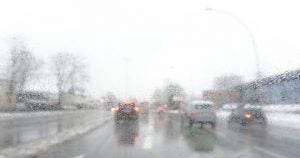
Cars on the road through a rainy car windshield.
Slick roads, even during a light rainfall, present a more serious hazard than many drivers consider. Outside of preparing your vehicle ahead of a storm, the most important thing you can do is slow down during slick road conditions. Drive defensively, and practice these five tips to stay safe while driving in the rain.

Prep Your Vehicle Before the Storm

Prepare your vehicle ahead of time to safely operate in the rain. Keep an eye on your tires in particular. Tires that don't have enough air are more likely to skid or hydroplane. Make sure they're properly inflated, and replace them once the tread becomes unsafely worn. Also, check and replace your windshield wipers as needed. Finally, confirm that your headlights, taillights, brake lights, and blinkers work correctly. Your friends at Titus-Will Toyota's Service Center can help you make sure that all of these items are in good order and ready for all weather conditions.

Turn off Cruise Control

It's risky to drive with the cruise control engaged in the rain. This is because you'll have to tap on the brakes to slow down when the cruise control is on, which increases the likelihood of losing control of the vehicle. Turn off the cruise control when it rains so you can slow down by easing off the accelerator. This will also give you greater control over when and how quickly you accelerate.

Drive Defensively

To drive safely in the rain, you need to be extra aware of the other drivers and roadway conditions around you. Drive slower than you normally would, and give the car in front of you more space — 3-4 seconds of distance minimum — so you can avoid having to slam on the brakes in the event of an unexpected stop or obstacle. Turn on your headlights whenever you have to use your windshield wipers. Give yourself enough time to make slow, wide turns as well. Slowing down will also decrease your chances of hydroplaning. Hydroplaning occurs when a thin layer of water separates the tires from the road. The tires lose traction when this happens, which means you can't steer or brake correctly. This is a risk even in light rain. Hydroplaning is most dangerous within the first 10 minutes of a light rain and for drivers traveling at speeds above 35 miles per hour.

Learn How to Handle Your Car in the Rain

Learn how to respond to a hydroplane or skid so you can safely navigate the problem if you ever do experience it. If you ever lose traction because of the rain, follow these steps:
  • Ease off the gas: This transfers weight to the front of the vehicle and may help the tires regain traction.
  • Slowly and lightly press down on the brakes: Again, lightly pressing the brakes will transfer weight to the front tires. Don't slam on the brakes.
  • Keep the steering wheel straight: Keep looking and steering in the direction you want to go when you regain control of the vehicle. Don't turn into the skid, and don't turn the wheel if your car starts to hydroplane.
Driving in the rain can be scary, but if you slow down and follow the tips above, you can stay safe on the road. Remember to prep your vehicle now to avoid dangerous situations when the rain starts to fall.   "Taillights" via Flickr by Jochen Spieker. Used with permission via CC BY-SA 2.0 / cropped from original
Posted in:

Related Posts

Silver Toyota Tundra in the snow

Stay Safe With These 5 Features

Modern Toyota's are known for an array of standard features available through standard Toyota Safety Sense (TSS) packages. You can also add extra technologies depending on the trim and package you select. These are five features in Toyota's that will help keep you safe on the road. more Pre-Collision System The pre-collision system is part of TSS-C and TSS-P packages. Using camera and radar technology, this system detects when a collision with the vehicle in front of you is likely and provides audio and visual alerts to draw your attention to the problem. Once you hit the brakes, the system can provide additional braking force if needed to help you come to a stop. If you don't hit the brakes, the vehicle can detect that a collision is likely and apply the brakes automatically. The TSS-P package adds pedestrian detection to this technology. Lane Departure Alert Relying on a windshield-mounted camera, the lane departure alert is designed to keep you safely centered on the road. If you start to drift out of your lane and are traveling at least 32 miles per hour, the system will provide audio and visual cues to draw your attention to the problem. Lane departure alert is part of TSS-C and TSS-P. The latter adds steering assist on select models, which automatically repositions the vehicle in its lane under certain circumstances. Automatic High Beams If you've ever driven at night on poorly lit roads, you know the struggle of engaging your high beams, turning them off when a car approaches, and flicking them back on so you can see the road around you. Toyota's automatic high beams, part of TSS-C and TSS-P models, detects the headlights and taillights of approaching vehicles and switches between your high and low beams automatically to optimize your visibility while minimizing your lights endangering other drivers. Dynamic Radar Cruise Control Exclusive to the TSS-P package, dynamic radar cruise control automatically maintains a safe distance between your vehicle and the other cars on the road when you have your cruise control engaged. This means you don't have to turn off cruise control when the traffic flow changes and then reset it once the road is clear. Updated TSS for Mid-2018 Models In addition to the safety features mentioned above, Toyota is preparing some updates for its TSS systems that will roll out with its mid-2018 models. The next generation of these technologies will introduce the following changes designed to enhance protections for pedestrians and bicyclists: Pre-collision system with day/night pedestrian detection function and day bicycle detection function Updated lane departure alert with steering assist Lane tracing assist Road sign assist Full-speed dynamic radar cruise control with enhanced forward recognition and acceleration/deceleration Toyota's safety packages offer a range of standard features that many other manufacturers only offer on the most expensive trims available. Regardless of whether the vehicle you want has TSS-P or TSS-C technologies, you can rest easy knowing that Toyota is dedicated to providing the safest vehicles on the road. Take one for a test drive to experience the confidence and peace that these technologies provide.   ' Silver Tundra ' via Flickr by truckhardware. Used under CC BY 2.0 / Cropped from original