Blog / News

2025 Toyota Tundra vs. Ford F-150: The Ultimate Showdown

Full-size pickup trucks provide versatility and capability. With so many models available, choosing the right one can be challenging. Read as we compare two of the most popular options, the 2025 Toyota Tundra and the 2025 Ford F-150, so you can choose the best truck for driving in Tacoma, Washington.

Engine Performance and Powertrain Options

Let's start by looking at the Tundra vs. F-150 performance specs. The 2025 Toyota Tundra offers three powertrain options based on a twin-turbocharged 3.4-liter V-6 engine. The base SR trim's engine produces 358 hp and 406 lb-ft of torque, while other trims get 389 hp and 479 lb-ft of torque. The hybrid powertrain produces 473 hp and 583 lb-ft of torque. All configurations use a 10-speed automatic transmission and offer part-time four-wheel drive.

The 2025 Ford F-150 offers the following engine options, all pairing with a 10-speed automatic transmission and your choice of rear- or four-wheel drive:

  • A twin-turbo 2.7-liter V-6 producing 325 hp
  • A 5.0-liter V-8 making 400 hp
  • A twin-turbo 3.5-liter V-6 delivering 400 hp
  • A twin-turbo 3.5-liter V-6 hybrid powertrain producing 430 hp
  • A twin-turbo 3.5-liter high-output V-6 delivering 450 hp
  • A 5.2-liter supercharged V-8 making 720 hp

Fuel Efficiency

The fuel efficiency of both models depends on the configuration you select. The base 2025 Toyota Tundra with rear-wheel drive gets around 20 mpg in the city and 24 mpg on the highway. Opting for four-wheel drive drops these estimates slightly to 19 and 22 mpg, respectively.

The 2025 Ford F-150 performs similarly. The EPA rates the base 2.7-liter configuration at 19 mpg in the city and 25 mpg on the highway, while the 3.5-liter V-6 gets 17 and 25 mpg, respectively. The hybrid powertrain performs the best in terms of efficiency, at 22 mpg in the city and 24 mpg on the highway.

Towing and Hauling Capabilities

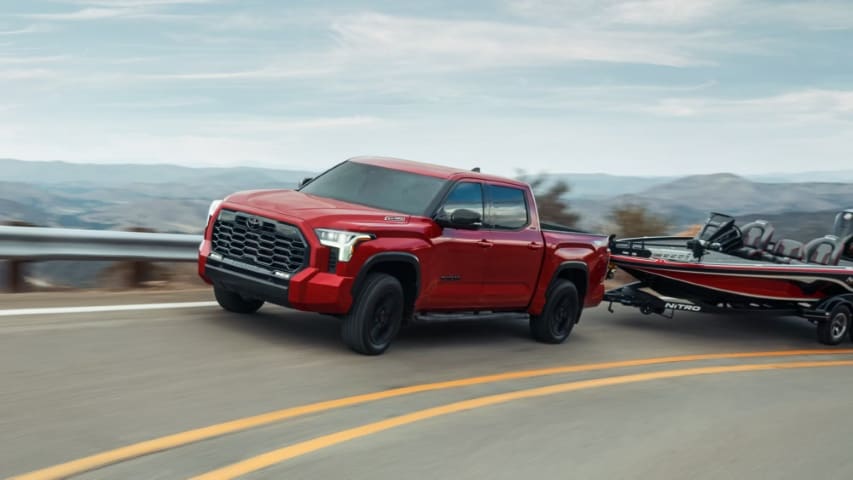
If you're getting a pickup truck, you're likely interested in its towing and hauling capacities. When properly equipped, the 2025 Toyota Tundra has a maximum towing capacity of 12,000 pounds and a maximum payload of 1,940 pounds. The 2025 Ford F-150 can tow up to 13,500 pounds and haul up to 2,440 pounds. So, while the Tundra offers decent towing and payload capacities, the Ford F-150 is likely the better option if you need more capability.

Interior and Technology Features

Both trucks offer a spacious and comfortable cabin. The Tundra has a few cabin options in terms of size, including a Double Cab or a longer CrewMax. What you select impacts the interior space and the size of the truck bed. You can get a 6.5- or 8.1-foot bed with the Double Cab, while the CrewMax comes with a 5.5- or 6.5-foot box. We recommend going with one of the extended cabs for maximum legroom in the rear.

The 2025 Toyota Tundra's interior features and technologies include the following:

  • Semi-aniline leather upholstery
  • American walnut interior trim
  • Acoustically laminated side windows
  • A head-up display
  • An 8- or 14-inch touch-screen infotainment system
  • Wireless Apple CarPlay and Android Auto
  • A 12-speaker JBL premium audio system

The Ford F-150 also offers several cab configurations. The most spacious is the four-door SuperCrew cab, making it more ideal for families. The F-150 also has a few small touches that make it a great work truck, such as the fold-down shift lever and fold-flat front seats. Other features include the following:

  • A 12-inch infotainment display
  • Apple CarPlay and Android Auto
  • A Bang & Olufsen stereo system
  • A traffic and navigation system
  • Onboard telematics for fleet customers

Safety Features and Driver Assistance

The 2025 Toyota Tundra and Ford F-150 have the latest safety technologies and driver-assistance features. The most significant difference is whether these features come standard or are only available as upgrades. For example, the following features are standard on the 2025 Tundra:

  • Precollision system with pedestrian detection
  • Automatic emergency braking
  • Lane departure warning
  • Lane-keeping assist
  • Adaptive cruise control
  • Automatic high beams

Only automatic emergency braking is standard on the 2025 Ford F-150. The Tundra offers several more safety features on higher trim levels, including blind-spot monitoring with a rear cross-traffic alert and trailer detection. Ford's Blue Cruise hands-free driving feature is available as an upgrade for the F-150, but it requires a monthly subscription.

Exterior Design and Customization

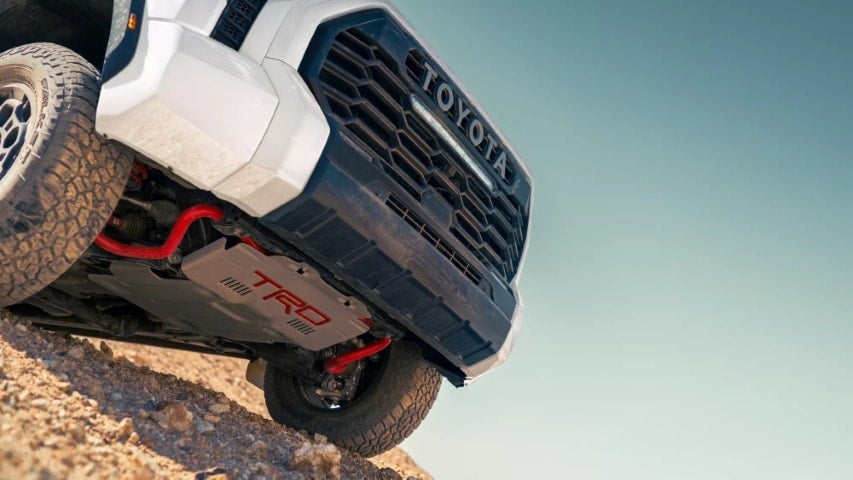
These trucks have unique exterior designs and several customization options. The 2025 Toyota Tundra features a rugged and modern design with a prominent front grille and sharp LED lighting. For a truly unique style, we recommend exploring the 1794 Edition trim, which comes with chrome accents, a wood-grain interior, and the exclusive Smoked Mesquite exterior paint color.

The F-150's LED lighting and sculpted hood give it a sleeker look. You can customize your Ford F-150 through several appearance packages, such as the XLT Black Package, which features blacked-out elements and unique wheels. The 2025 model also adds new color options, including Marsh Gray and Space White Metallic.

Explore the 2025 Toyota Tundra at Titus-Will Toyota in Tacoma

The 2025 Toyota Tundra and Ford F-150 have much to offer, but if you want an affordable option while still getting a truck that provides excellent performance and includes numerous standard features, the Toyota Tundra is the better choice. To learn more about the 2025 Toyota Tundra in Tacoma, contact our Titus-Will Toyota team to schedule a visit. You can start the buying process today by applying for financing or valuing your trade-in.

Posted in:

Related Posts

CHR

2026 Toyota C-HR vs 2026 Hyundai Kona

Shopping for a compact SUV in the Tacoma area? You're looking at two very different takes on what a small crossover should be. The 2026 Toyota C-HR and 2026 Hyundai Kona each have their own philosophy. Toyota doubles down on hybrid efficiency and rock-solid safety, while Hyundai gives you choices, lots of them. Want a basic engine? They've got it. Turbocharged fun? Yep. Full electric? That too. Figuring out which approach fits your life makes all the difference. 2026 Toyota C-HR vs 2026 Hyundai Kona: Key Differences at a Glance Here's the thing that sets these apart right away: Toyota went all-in on hybrid tech for the upper trims, banking on smooth operation and that legendary Toyota reliability. Hyundai said, "Why pick just one?" and built a lineup that spans from budget-friendly conventional engines to electric powertrains that'll make you forget gas stations exist. The C-HR keeps things simple. The Kona? It's complicated, but in a good way. Comparison Table with Tech Details The numbers tell a story. Toyota's banking on that 5-star safety rating and hybrid reliability. Hyundai counters with better base fuel economy, all-wheel drive when you need it, and that electric option Toyota just doesn't have yet. Trim Levels Breakdown 2026 Toyota C-HR Trims and Features Toyota keeps things straightforward with the C-HR lineup: GXL, Koba, and C-HR+. Most of these center around hybrid variants, which actually simplifies your decision. You're not going to sacrifice safety features just because you picked the base trim. Toyota Safety Sense comes standard everywhere, period. That's refreshing in a world where some manufacturers make you pay extra for basic protection. The GXL gets you started with solid tech and comfortable seats, plus the full safety suite. Step up to the Koba and you'll notice nicer materials and extra comfort touches. The C-HR+ tops things off with Toyota's best tech and luxury features for this size vehicle. What's nice about this approach? You won't find yourself missing crucial safety systems because you didn't want to spend extra money. The differences between trims focus on comfort and convenience, not fundamental capabilities. 2026 Hyundai Kona Trims and Features Hyundai spreads the Kona across more territory, starting with value-focused base models and climbing through Elite and Premium trims to that Extended Range electric variant. More choices means more complexity, though. You'll need to pay closer attention to what each trim actually includes. Base Kona models handle transportation duty just fine with decent standard equipment. Elite trims add better tech and comfort features, while Premium variants bring luxury touches and advanced driver aids. The Extended Range electric sits in its own category for buyers ready to go fully electric. This variety gives you flexibility, but it also means features can vary dramatically between trim levels. If you want specific safety tech or convenience features, you might need to jump several trim levels up, which changes the math on pricing pretty quickly. Performance and Powertrain Comparison 2026 Toyota C-HR Engine and Driving Dynamics The base C-HR runs a 2.0-liter four-cylinder making 144 horsepower, tied to a CVT and front-wheel drive. It's adequate for daily driving without being exciting. Think competent commuter, not weekend warrior. Hybrid trims change the game completely. The 1.8-liter four works with an electric motor for 103 kW total output, and the difference is immediately noticeable. Electric torque helps with city driving responsiveness, and the transitions between gas and electric happen so smoothly you'll barely notice. It's genuinely refined in a way the base engine simply isn't. Toyota tuned the C-HR for comfort, not canyon carving. Steering feels light around parking lots and weights up reasonably on highways, but don't expect much feedback. The suspension soaks up most road imperfections without jarring you, which works well for Tacoma's mix of surfaces. Acceleration sits firmly in "adequate" territory. The hybrid's electric assist helps off the line, but highway passing requires some planning. If you're someone who enjoys spirited driving, spend some real time with the C-HR before deciding. Toyota clearly prioritized efficiency and comfort over engagement here. 2026 Hyundai Kona Engine Options and Handling Base Kona models use a 2.0-liter four making 147 horsepower and 132 lb-ft of torque. Like the C-HR's base engine, it handles daily tasks without drama. The CVT works smoothly, and all-wheel drive availability helps when weather gets nasty or you want to explore light trails. Then there's the turbocharged 1.6-liter four, and wow, what a difference. 195 horsepower and 195 lb-ft through a seven-speed dual-clutch automatic transforms this thing. Suddenly you've got genuinely engaging acceleration and responsive power delivery. This engine turns the Kona from practical transportation into something approaching hot hatch territory. The electric Kona rewrites everything with 201 horsepower and a massive 291 lb-ft of instant torque. That immediate power delivery makes it feel much quicker than the specs suggest, especially from stops or when merging. The 258-mile range handles most Tacoma-area driving patterns without stress. Hyundai tuned the Kona's suspension slightly firmer than the C-HR's, which creates more direct handling. You get better steering feedback and the chassis feels more planted through corners. The tradeoff? You'll feel more of what the pavement's doing, but that's the price of better road connection. Toyota Safety Sense: Standard Protection on Every Trim Safety creates the biggest gap between these vehicles. The C-HR's 5-star safety rating beats the Kona's 4-star rating, and for protection-focused buyers, that matters more than anything else on the spec sheet. Every C-HR comes with Toyota Safety Sense: adaptive cruise control, lane-keeping assist, pre-collision system with pedestrian detection, driver monitoring, and blind-spot monitoring. Eight airbags surround the cabin for complete protection, even on the base trim. Hyundai’s Tech: Impressive, but Trim-Dependent Hyundai's safety features impress too, though availability depends on your trim choice. Blind-spot monitoring includes steering wheel vibration alerts, which grab your attention better than visual warnings alone. Forward collision avoidance tech watches ahead and can intervene with braking. Surround-view cameras and parking sensors make tight spaces easier, while driver monitoring tracks your attention levels. Infotainment and In-Cabin Experience Both offer modern infotainment with smartphone integration, though screen sizes and interfaces differ. The C-HR typically features intuitive controls and clear graphics that minimize distraction. The Kona often provides larger displays with more customization options for tech enthusiasts. The Verdict: Safety That Comes Standard The C-HR's superior crash test rating and comprehensive standard safety across all trims make it the stronger choice for protection-focused buyers. The Kona's features are advanced, but the lower overall safety rating and trim-dependent availability require more careful evaluation. Interior Space, Comfort, and Practicality Interior packaging reveals practical differences that affect daily life. The C-HR offers up to 388 liters of cargo space, handling groceries, luggage, or gear adequately. Rear seats work for adults on shorter trips, though taller passengers might notice limited legroom on longer journeys. The cabin prioritizes style, sometimes at the expense of maximum space. The Kona generally provides more generous passenger and cargo room within similar exterior dimensions. Clever packaging creates a surprisingly roomy feel, with rear seats offering better legroom than the C-HR. Cargo capacity stays competitive across Kona trim levels, and the rear seats fold easily when you need more storage. Both use quality interior materials that improve with higher trim levels. The C-HR's cabin emphasizes bold styling and modern aesthetics, using interesting textures and colors for visual impact. Build quality feels solid with tight panel gaps and satisfying controls. The Koba trim adds particularly nice touches with premium upholstery and enhanced finishes. The Kona's interior takes a more conventional but functional approach, balancing style with usability. Controls fall naturally to hand, and layouts stay intuitive without much learning curve. Premium trims introduce upscale materials and thoughtful amenities that enhance longer drive comfort. Seating comfort varies by trim and personal preference. The C-HR's seats provide good support for most body types, though some find them slightly firm on extended highway trips. Kona seating generally gets praise for all-day comfort, with sufficient cushioning and adjustability for different physiques. Climate control works effectively in both, with higher trims offering dual-zone automatic temperature control. Sound insulation adequately dampens wind and road noise, though neither achieves luxury-car quietness. The Kona's slightly larger cabin may transmit marginally less noise at highway speeds. Fuel Economy and Efficiency Comparison Toyota C-HR: Efficient Hybrid Power Fuel efficiency matters for compact SUV buyers, and these take different approaches. The C-HR achieves approximately 29 MPG combined in EPA estimates: 27 MPG city, 31 MPG highway. This proves respectable, and hybrid trims deliver these numbers while providing smooth operation. The estimated 409-mile range means fewer fuel stops during daily routines. Hyundai Kona: More Range, More Variants The 2026 Hyundai Kona takes a different route. Its base engine achieves 32 MPG combined (30 city / 35 highway), offering a longer 462-mile range, ideal for long-distance commuters. However, higher-performance turbo trims trade fuel economy for extra power. Electric Option: Kona’s Zero-Emission Edge For eco-conscious buyers, the Kona Electric removes gas from the equation entirely. With an estimated 258-mile electric range, it suits most Tacoma-area driving needs while cutting fuel costs and emissions. Toyota’s Strategy: Hybrid Strength, Proven Reliability The C-HR lacks a full electric variant, limiting options for zero-emissions seekers. Its hybrid trims provide excellent efficiency within traditional frameworks, but they can't match the electric Kona's environmental benefits or potential operating cost savings. This reflects Toyota's current product strategy, though they offer electric options in other segments. Consider your typical driving patterns and priorities. The Kona's base engine delivers the best conventional fuel economy while its electric variant offers the lowest operating costs and environmental impact. The C-HR's hybrid trims split the difference with very good efficiency, proven reliability, and no range anxiety or charging requirements. Exterior Design and Styling Visual appeal stays subjective, but these project distinctly different personalities. The C-HR embraces bold, angular styling that definitely stands out in traffic. Sharp creases, aggressive lighting signatures, and coupe-like proportions create a distinctive appearance that attracts attention. Some love this daring design while others find it too dramatic. The polarizing nature means you should examine the C-HR carefully to ensure its looks work for you specifically. The Kona takes a more versatile design approach, blending modern elements with broader appeal. Its proportions read clearly as a compact SUV without unusual flourishes or extreme angles. Updated front and rear treatments create contemporary appearance while maintaining approachable styling that ages well. This design likely appeals to more buyers, though it gives up some of the C-HR's visual impact. Both offer multiple exterior colors for some personalization. Wheel designs vary by trim level, with larger wheels enhancing visual presence on upper models. LED lighting features on most trims, improving nighttime visibility while creating modern signatures. The C-HR's lower roofline contributes to its sleek profile but slightly restricts rear headroom and cargo access. The Kona's more upright proportions maximize interior space while maintaining attractive styling. This fundamental difference affects both aesthetics and practicality. Which Compact SUV Is Right for You? Choosing between the 2026 Toyota C-HR and 2026 Hyundai Kona depends on your priorities and intended use. The C-HR suits buyers who value safety above all else, appreciate hybrid efficiency, and prefer Toyota's proven reliability record. Its 5-star safety rating provides exceptional peace of mind while the hybrid powertrain delivers smooth, efficient operation perfect for Tacoma commutes. The consistent trim structure simplifies decisions, ensuring comprehensive safety features regardless of price point. The Kona appeals to shoppers seeking maximum flexibility and choice. Its diverse powertrain lineup accommodates different needs, from economical base models through sporty turbocharged variants to zero-emissions electric driving. Available all-wheel drive enhances capability, and generally superior interior space benefits families or buyers who regularly carry passengers and cargo. Better base fuel economy and longer range reduce fuel stops for conventional models. Test-Drive the 2026 Toyota C-HR at Titus-Will Toyota Specs tell one story, driving tells the truth. Experience the 2026 Toyota C-HR firsthand at Titus-Will Toyota, Tacoma’s trusted dealership since 1938. Feel how it handles local roads, test visibility, comfort, and control placement, and see how it fits your daily life. Bring the family to check rear-seat space and cargo flexibility. Our friendly team will walk you through key features, hybrid efficiency, and safety tech that make the C-HR stand out from competitors like the Hyundai Kona. We’ll also outline financing options and service programs that keep your Toyota performing like new for years. Visit Titus-Will Toyota today to schedule your test drive, explore current offers, and see why drivers across South Puget Sound trust us for all things Toyota.


Tacomas Best Car Detailers and Car Washes

If you’re cruising around Tacoma and want your ride looking showroom-fresh, you’re in luck. The city is home to some top-tier car detailing and wash services that go far beyond the standard rinse. Whether you need a deep interior clean, paint correction, or just a quick and spotless wash, Tacoma has experts who treat every car like a classic. From mobile detailers who come to you, to full-service auto spas, these local favorites have earned a reputation for keeping cars looking their best—all within a 30-minute drive. Superior Auto Shine This family-owned detailing service in Tacoma is known for premium service and attention to detail. Superior Auto Shine offers everything from full interior cleanings to ceramic coatings and paint corrections. What sets them apart is their personalized approach and consistent five-star reviews for both quality and customer service. If you're looking for a reliable team that treats your car like their own, this is your go-to. Advanced Mobile Auto Spa No time to drive out? No problem. Advanced Mobile Auto Spa brings the shine directly to your driveway. This convenient, mobile detailing service in Tacoma has built a loyal following thanks to its professional-grade products and dedication to customer satisfaction. Their service packages are thorough and clearly outlined, and the technicians are always punctual and courteous. Pacific Avenue Auto Spa Pacific Avenue Auto Spa is a favorite for its quick yet effective services. Whether you're going through the express wash or signing up for full detailing, the team here prides itself on quality work with a fast turnaround. Customers appreciate their fair pricing, friendly staff, and the fact that their car comes out gleaming every single time. Imperial Auto Spa PNW Imperial Auto Spa PNW is the kind of place that makes your car feel like royalty. Known for their meticulous detailing, the team offers everything from high-end ceramic coatings to interior shampooing and leather conditioning. The shop is clean, the staff is friendly, and they treat every vehicle like it’s headed to a car show. Many customers say their car has never looked better. Panda Hub Tacoma Panda Hub isn't just a detailer—it’s a full-on experience. They partner with vetted professionals in Tacoma to offer premium detailing services with the convenience of online booking and real-time updates. Their services cover both the interior and exterior, and they’re especially praised for pet hair removal and odor elimination. This is a great option if you want quality detailing without the stress of calling around. Where to Keep Your Ride Looking Sharp in Tacoma When it comes to keeping your car spotless, Tacoma has no shortage of options. Whether you prefer the convenience of mobile service, the consistency of a local favorite, or the luxury touch of a ceramic coating, there’s a shop or service for every need and budget. These top-rated businesses go beyond basic washes to provide high-end results with a local touch. And if you’re in the market for a new ride to keep clean, don't forget to check out Titus-Will Toyota. They offer a wide range of new and certified pre-owned vehicles that’ll look even better after a visit to one of these expert detailers. Here’s to driving clean, Tacoma!

When To Replace Your Toyota Tires in Tacoma

Your Toyota's tires help keep you safe, enhance your ride, and improve fuel efficiency. You should never wait until you encounter problems to replace worn tires. Worn tires reduce traction, increase stopping distances, and cause blowouts, so to minimize your risk for accidents, check your tires regularly and change them when necessary. If you're in Tacoma and unsure whether you need new tires or professional advice, this guide is for you. Continue reading to learn when to replace your tires and schedule regular maintenance. You'll also discover where to find quality tire services and get tips to help your tires last longer. Understanding the Importance of Regular Tire Service You may assume that your tires are okay if they look fine, but tire wear can be deceiving, so adhere to regular service appointments before significant safety issues arise. Keeping up with tire maintenance helps with traction, maintains gas mileage, and contributes to a smoother ride. A major risk associated with older tires is hydroplaning. This happens when water accumulates on the road, causing your tires to lose grip. Tires are engineered to push water away, keeping the rubber in contact with the road. If the tread is too worn, they can slide in wet conditions. This affects steering and braking, resulting in potential accidents. Regular tire maintenance will keep your tires in good shape and help you save gas money. Proper tread and adequate tire pressure help your car accelerate smoothly, while tires that are worn or low on air cause the engine to work harder, which requires more fuel, Regular tire maintenance, including rotations, balancing, alignments, and pressure checks, helps your tires wear evenly and maintains good traction. At Titus-Will Toyota, our certified technicians conduct comprehensive tire inspections and services to minimize your risk of hydroplaning and other safety issues and improve fuel efficiency. 4 Signs Your Toyota Tires Might Need Replacing With regular service, the technicians can tell you when you should replace your tires. Here are a few signs that could also alert you. 1. Your Tread Looks Worn (Try the Penny Test) You can assess the wear of your tire tread using a penny. Place it in the tread with Lincoln's head facing down. If you can still see the top of his head, it's time to replace your tires. Most Toyota tires also have wear bars, which become visible when you need new tires. 2. You See Cracks, Bulges, or Sidewall Damage Routinely check your tires for bulges or cracks, which can develop over time or because of bad weather and eventually cause a blowout. If you spot any of these issues, have your tires changed immediately. 3. You’re Losing Air More Often Than Usual If you need to inflate your tires often, you might have a slow leak. You can repair some leaks, but it might be time to change your tires if they keep losing air. 4. Your Tires Are Over Six Years Old Even if your tires still look good, they might not be safe. Changes in temperature and exposure to sunlight can cause wear over time. Most brands recommend replacing your tires every six years. Finding Reliable Toyota Tire Service in Tacoma When you need new tires, choosing a trusted service center is important for your safety. At Titus-Will Service Center, we offer expert tire services that fit your Toyota's needs. Our certified technicians reliably mount, balance, and inflate your new tires. Here's what you can expect: Toyota-approved tire brands that are compatible with your car Fair prices on tire replacements and special promotions A comfortable waiting area with Wi-Fi and drinks What To Expect at Your Tire Service When you bring your Toyota in for tire service, we follow a clear procedure to ensure its safety: Tire inspection: We begin with a thorough examination of tread depth, wear, damage, and pressure. Even if your tires are in good shape, we might suggest rotating or balancing them to extend their life. Tire replacement and installation: We'll help you choose your best options if you need new tires. We'll ensure they're mounted, balanced, and aligned for even wear and performance. Final safety check: We'll perform a final check to ensure everything's in shape before you leave. We'll also give you tips on how to care for your new tires. Caring for Your Toyota Tires New tires can be expensive, but you can ensure they last longer with good care. Here are some tips: Regularly check tire pressure: Tire pressure that is too low or too high accelerates tire wear and reduces gas efficiency mileage. Adhere to Toyota's tire pressure recommendations. Rotate your tires every 5,000-7,500 miles: This maintains even wear on all tires and helps prevent early replacement. Align tires regularly: Misalignment leads to uneven wear and affects handling. Drive with care: Sudden stops, excessive speeds, and potholes should be avoided. Common Questions About Toyota Tires Below are some common questions about tire pressure. Can I Check My Toyota’s Tire Pressure at Home? Yes. Most Toyotas have a dashboard warning light for low tire pressure, or you can check with a tire pressure gauge. Where Do I Find the Right Tire Pressure for My Toyota? You can find it on the driver's door sticker or your owner's manual. How Often Should I Be Checking Tire Pressure? Check it monthly and before long trips or heavy loads. Keep Your Drive Safe With a Quick Tire Check in Tacoma Your tires are a key safety feature of your car. Keeping them in good shape maintains performance and ensures the safety of you and your passengers. If you see signs of wear or aging, schedule a professional tire check at our service center in Tacoma. Our skilled team provides top-notch tire replacements, checks, and maintenance to keep your Toyota in good condition. Reach out today or book an appointment online.