Blog

2025 Toyota 4Runner Trims Explained: Which Type Is Right for You?

4 Runner

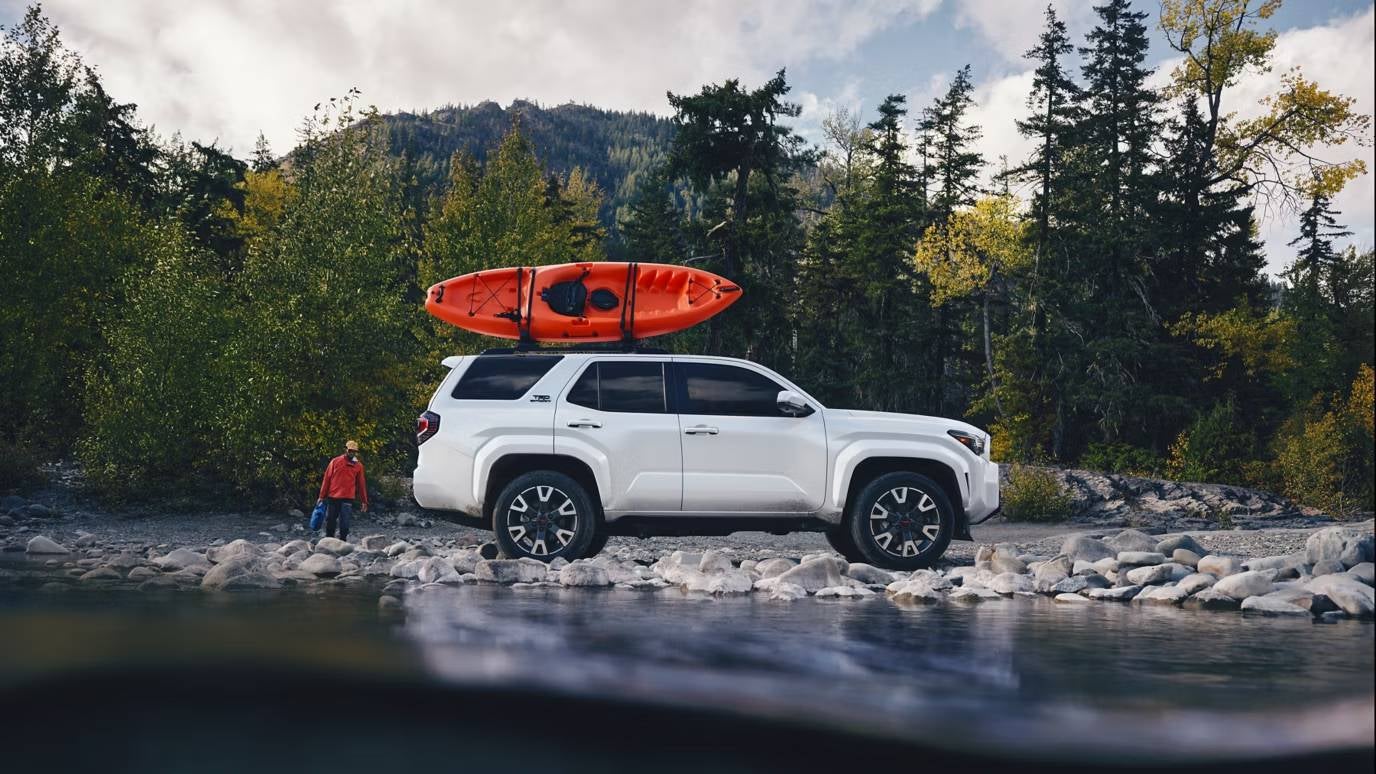
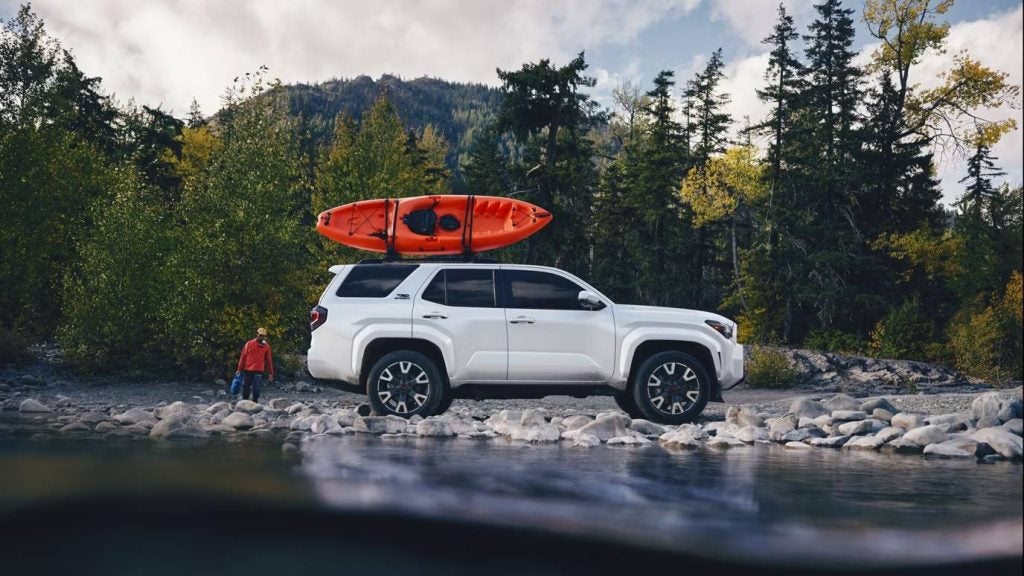
The Toyota 4Runner has been tackling trails and hauling gear since the mid-'80s, and it's still one of the few SUVs built with real off-road grit. Whether you're commuting in Tacoma or exploring the mountains, there's a 4Runner to match your lifestyle. The 2025 lineup offers trims that range from everyday comfort to hardcore off-road capability. Here's a breakdown of each trim from Titus-Will Toyota to help you choose the right fit.

Key Features
4 Runner

The 2025 Toyota 4Runner introduces long-awaited updates under the hood. Standard models feature a 2.4-liter turbocharged four-cylinder with 278 horsepower and 317 lb-ft of torque. It's hooked up to an eight-speed automatic, and you can go with rear-wheel drive if you're sticking to the streets or four-wheel drive if dirt, snow, or rocky ground are part of your plans.

RWD models get 20 mpg in the city and 26 on the highway. Go 4WD and you'll lose a mile or two.

In case you want extra muscle, the i-Force Max hybrid is the one for you. It pairs the same turbo engine with an electric motor to push output to 326 horsepower and a stout 465 lb-ft of torque. It's 4WD only and still manages 23 mpg city and 24 mpg highway. Factor in multiple trim levels, from the everyday SR5 to the hardcore TRD Pro and Trailhunter, and the 2025 4Runner offers a setup for just about every kind of driver.

2025 Toyota 4Runner Trim Levels

Let's take a look at all the 2025 Toyota 4Runner trims and what makes each one tick, so you can figure out which is right for your Tacoma drives or weekend adventures.

SR5

The SR5 is the base 2025 Toyota 4Runner. It features the 2.4-liter turbo engine, eight-speed automatic transmission, and the option of rear-wheel or part-time 4WD. You'll find 17-inch alloy wheels, an 8-inch touchscreen, and Toyota Safety Sense 3.0 for driver assistance. Wireless Apple CarPlay and Android Auto are standard, and a power rear window remains a classic 4Runner touch.

The SR5 is perfect if you want a capable SUV without overloading on extras. It's a strong fit for families who want an affordable entry point into Toyota's off-road world but still need daily drivability.

TRD Sport

The TRD Sport leans toward pavement performance, trading some trail gear for sport styling. It adds a sport-tuned suspension, a honeycomb grille, 20-inch wheels, and a gloss-black hood scoop for flair. Inside, you get heated cloth seats, a leather steering wheel, and a wireless charging pad. As far as road performance features are concerned, the suspension tweaks give the TRD Sport more control on corners and smoother handling on asphalt. If you like the 4Runner look but spend most of your time in the city, this trim makes sense.

TRD Off-Road

This trim starts flexing Toyota's off-road expertise. The TRD Off-Road comes built for the dirt, with part-time 4WD, a locking rear differential you can engage when things get tricky, and beefy 33-inch all-terrain tires. Bilstein shocks with remote reservoirs soak up the bumps, while Crawl Control and Multi-Terrain Select step in to handle steep hills and loose, shifting ground.

It's built for the driver who wants weekend exploring without needing a fully specialized rig. Locking differentials and advanced traction systems mean you won't sweat when the terrain gets unpredictable.

TRD Off-Road Premium

The TRD Off-Road Premium takes the rugged foundation of the TRD Off-Road and layers in more comfort. Heated and ventilated SofTex-trimmed seats, a larger 14-inch infotainment screen, and a JBL audio system with a removable Bluetooth speaker all come standard.

Off-Road vs. Off-Road Premium

Both trims handle trails with confidence. However, the Premium makes the cabin a better place to spend hours, especially on long trips or in cold weather.

Limited

The Limited trim balances rugged capability with upscale touches. You get leather seats that are both heated and cooled, suspension that smooths out rough pavement, a bit of shiny chrome for style, and a moonroof to let in fresh air and sunlight. A 14-inch touchscreen and 14-speaker JBL audio bring top-tier tech. It's the right pick for those who want an SUV that feels refined on commutes but still carries Toyota's off-road DNA. The available third row makes it practical for families.

TRD Pro

The TRD Pro is built for serious off-roaders. With Fox QS3 shocks, TRD-tuned springs, and a composite skid plate, this trim is all about durability and speed across tough ground. Unique wheels, TRD badging, and a tuned suspension make it instantly recognizable. It's Toyota's desert runner that is fast, rugged, and loud about its purpose.

Trailhunter

New to the lineup, the Trailhunter trim is designed for overlanding. It comes with steel underbody protection, rock rails, an ARB roof rack, and Old Man Emu shocks tuned for carrying gear over long distances. A built-in air compressor and Rigid LED fog lights add serious utility.

Trailhunter vs. TRD Pro Comparison

Think of the TRD Pro as a sprint runner, built for speed and performance. The Trailhunter is a hiker with a heavy pack. It is slower, methodical, but equipped to go further and stay longer.

Which 2025 4Runner Trim Is Right for You?

The SR5, starting at $41,270, provides an affordable starting point. Adventure seekers can tackle the trails around Mount Rainier or explore dirt paths near Spanaway Lake with the well-balanced TRD Off-Road, the extreme TRD Pro, or the overlanding-ready Trailhunter. For everyday comfort, the TRD Sport shines, while the Limited offers more luxury and third-row seating, making it a preferred choice for families.

Take 2025 Toyota 4Runner for a Test-Drive in Tacoma, WA

The best way to figure out which 2025 Toyota 4Runner fits your life is to drive one. Maybe you're after a tough SUV for weekends in the mountains, or maybe you just want something reliable for your Tacoma commute. Either way, the team at Titus-Will Toyota is here to help. Stop by, take a spin, and see which trim feels right. Schedule your test drive today and get to know your 4Runner.
Recommended Posts

CAH_MY26_0009_V001

2026 Toyota Camry Vs 2026 Honda Accord

Choosing between two of the best-selling midsize sedans on the market isn't easy. The 2026 Toyota Camry and the 2026 Honda Accord both have strong reliability reputations, comfortable cabins, and a full suite of modern features, which is exactly why so many buyers end up torn between the two. Both models make a strong case whether you need a daily commuter for the I-5 corridor, a family hauler, or a sedan you can count on for the next decade. Look closely at what each one actually offers, though, and a winner starts to take shape. If you'd like to see the Camry in person before you finish reading, you can always contact Titus-Will Toyota to set up a time. This comparison breaks down the differences that matter most to real buyers: powertrain performance, tech, passenger space, and cargo room. Performance and Driving Dynamics How a car feels on the road often decides things. Both the Camry and the Accord are smooth, capable midsize sedans, but they take different approaches to powertrain engineering. Camry's All-Hybrid Powertrain Advantage Toyota made every 2026 Camry trim a hybrid, pairing the fifth-generation Toyota Hybrid System's 2.5L four-cylinder engine with electric motors. FWD models produce 225 combined hp, while AWD versions add a rear electric motor for 232 combined hp. EPA-estimated fuel economy is impressive across the board: the FWD LE is rated around 52 city / 49 highway MPG, AWD models land near 50 city / 49 highway, and the XSE AWD comes in around 43 city / 43 highway. For Tacoma-area drivers who deal with rainy Pacific Northwest roads, the available electric AWD system adds welcome traction on the climbs around Gig Harbor without sacrificing much efficiency. For anyone commuting to Seattle or Olympia, that combination of power and mileage adds up to real savings at the pump. Accord's Hybrid and Turbo Lineup The Accord splits its lineup between a 204-hp hybrid system and a turbocharged 1.5L engine that produces 192 hp. That gives buyers a choice: the hybrid EX-L trim is rated around 51 city / 44 highway MPG, while the turbo models drop to roughly 29 city / 37 highway. Drivers who prefer the punchier feel of a traditional turbo engine over a hybrid setup have that option with the Accord, something the Camry no longer offers. The trade-off is that fuel economy varies significantly depending on which configuration you choose, while the Camry delivers hybrid efficiency across every single trim. Technology and Infotainment Showdown Modern drivers expect their car's tech to keep pace with their phones and daily routines. Both sedans come with capable infotainment systems, but screen sizes, interface layouts, and available features set them apart. Camry's Touchscreen and Connectivity Features The 2026 Camry comes standard with an 8-inch touchscreen, with an available 12.3-inch Toyota Audio Multimedia touchscreen. Higher trims can also add a 12.3-inch digital gauge cluster, a 10-inch Head-Up Display, a Qi wireless charger, five USB ports, and a nine-speaker JBL Premium Audio system. Every Camry also comes with Toyota Safety Sense 3.0, which includes Proactive Driving Assist, Lane Change Assist, and Traffic Jam Assist, plus an available panoramic view monitor for tighter parking situations. Accord's Digital Interface and Driver Tech Honda equips hybrid Accord trims with a 12.3-inch touchscreen, which is the largest offered in the lineup, with Google built-in available on the Touring Hybrid. A Head-Up Display comes standard on the Touring Hybrid trim. Honda Sensing brings adaptive cruise control and lane-keeping assist to the safety suite. Both sedans top out at a 12.3-inch touchscreen, so buyers comparing screen size will find the two closely matched rather than one holding a clear edge. If you want to see how these systems actually feel behind the wheel, schedule a test drive at Titus-Will Toyota and compare them firsthand. Passenger Space and Interior Comfort Both sedans seat five comfortably, but the Accord offers more outright room, with 102.8 cubic feet of passenger volume on its hybrid trims and up to 105.7 cubic feet on the base LX, compared to the Camry's approximately 99.9 cubic feet. Taller passengers and families with kids in the back seat may notice the difference in rear legroom and headroom on longer drives The Camry counters with a cabin that leans into comfort and technology rather than raw dimensions. With a 111.2-inch wheelbase and 72.4-inch width, the Camry still feels spacious, and its soft-touch materials, refined seating, and available tech features give it an upscale feel that's earned Toyota's continued investment year over year. If maximum passenger room is your top priority, the Accord has the edge; if you value cabin refinement and available features, the Camry holds its own. Cargo Capacity and Everyday Practicality The Accord also edges out the Camry in cargo volume, offering 16.7 cubic feet of trunk space compared to the Camry's 15.1 cubic feet. That extra room adds up when you're loading groceries, packing for a weekend trip, or hauling gear for youth sports, making the Accord feel like a slightly more versatile daily workhorse. The Camry's trunk still handles most everyday needs without complaint, and unless you're routinely packing the car to the brim, you likely won't notice the difference. For buyers who need the largest available trunk, the Accord has a real, measurable advantage here. Why the 2026 Toyota Camry Comes Out Ahead Weigh everything together, and the 2026 Toyota Camry holds up well beyond the spec sheet. Toyota's reputation for long-term reliability is one of the strongest in the industry, and strong resale values mean your investment holds up better down the road, a detail plenty of buyers don't think about until it's time to trade in. For the daily commuter driving I-5 between Tacoma and Seattle, the Camry's hybrid-only lineup means guaranteed fuel savings no matter which trim you choose. For the efficiency-minded buyer, that all-hybrid approach removes the guesswork the Accord's split lineup requires. And for the tech enthusiast, the available 12.3-inch Toyota Audio Multimedia system, Head-Up Display, and JBL Premium Audio system offer plenty to work with, matching the Accord's largest available screen size while adding features like the Head-Up Display and JBL audio. The Accord holds real advantages in cargo space and passenger room, and it offers a turbo-engine option the Camry no longer does, but the Camry's standard hybrid efficiency, proven reliability, and strong resale value give it the edge for most Tacoma-area buyers. Schedule Your 2026 Camry Test Drive at Titus-Will Toyota Reading about a car only gets you so far. The best way to know if the 2026 Camry fits your life is to get behind the wheel and feel it yourself. Hybrid efficiency across every trim, built for PNW commutes and wet-road AWD confidence Available Toyota Safety Sense 3.0 features and Toyota Audio Multimedia On-site financing and service, plus vehicle delivery once your purchase is complete Ready to Drive Titus-Will Toyota is located at 3506 S Sprague Ave in Tacoma, WA, and has served the South Puget Sound community since 1938. Our showroom is open Monday through Friday from 9 AM to 8 PM, Saturday from 9 AM to 7 PM and Sunday from 10 AM to 6 PM. Reach our sales team directly at 253-319-2395, or contact Titus-Will Toyota online to schedule your test drive. Come see why so many Tacoma drivers trust the Camry, and find out firsthand why it deserves a spot in your driveway.

G86_MY27_0006_V001

2027 Toyota GR86 VS 2027 Subaru BRZ

Few rivalries in the sports car world feel as personal as the one between the Toyota GR86 and the Subaru BRZ. They share the same bones, the same engine, and nearly the same price tag, yet drive them back-to-back and you'll notice they feel completely different behind the wheel. If you're weighing the 2027 Toyota GR86 vs 2027 Subaru BRZ, here's a close look at what separates them, and why we think the GR86 edges ahead as the smarter choice for drivers around Tacoma, Puyallup, and Gig Harbor. 2027 Toyota GR86 vs Subaru BRZ: Same Platform, Different Experience The GR86 and BRZ were co-developed by Toyota and Subaru, so their shared foundation is no secret. Both ride on the same platform and use the same naturally aspirated 2.4-liter FA-24 boxer engine, producing 228 hp and 184 lb.-ft. of torque, with peak torque arriving at 3,700 RPM. What makes this comparison interesting is how each brand tuned that shared starting point differently. Toyota engineered the GR86 for raw driving engagement, dialing in feel and feedback that make a weekend run toward Mount Rainier genuinely exciting. Subaru positions the BRZ around two trims, the Limited and the track-focused tS, the latter adding Hitachi performance dampers and Brembo brakes as standard. Both brands start from the same hardware, so the real decision comes down to trim strategy and the ownership experience around the car. Performance and Powertrain Differences The GR86's 0-60 mph time comes in at 6.1 seconds with the six-speed manual and 6.6 seconds with the six-speed automatic (ECT-i), which also adds paddle shifters. Curb weight sits at 2,811 lbs for the manual and 2,851 lbs for the automatic. The GR86 is RWD and comes standard with a Torsen® limited-slip rear differential. The GR86 is RWD with a standard Torsen limited-slip rear differential, and Toyota offers an available Performance Package (on both base and Premium grades) with Brembo brakes and SACHS dampers for drivers planning track days at Pacific Raceways. The BRZ answers with its tS trim, which includes Brembo four-piston front calipers and Hitachi dampers as standard, so the performance hardware is closely matched between the two. Where the GR86 pulls ahead is configuration flexibility. Toyota offers the 6-speed automatic on both the base and Premium grades, while Subaru limits the BRZ's automatic to the Limited trim, leaving the tS manual-only. The GR86 base manual is also the lightest setup in either lineup at 2,811 lbs, versus 2,842 lbs for the lightest BRZ. Toyota also refined the manual's shift feel for 2027, improving the fifth-to-fourth downshift and widening the 4th-to-5th interlock chamfer by about 0.02 inches. Handling and Driving Dynamics This is where the GR86 sets itself apart. Its steering is sharp and communicative, and the chassis responds with a quickness that feels deliberate. Corner entry and mid-corner balance feel dialed in, which matters whether you're carving canyon roads near Gig Harbor or lapping Pacific Raceways on a weekend track day. Both cars share the same quick-ratio rack-and-pinion steering (13.5:1) and double-wishbone rear suspension, so their fundamental handling character is close by design. The distinction is how each brand packages its performance hardware: Toyota bundles the Brembo brakes and SACHS dampers into an available Performance Package on either grade, while Subaru builds the equivalent Brembo-and-Hitachi setup into its dedicated tS trim. Either way, this is a car that rewards a canyon road near Gig Harbor far more than it punishes an I-5 commute from Puyallup. Technology and Infotainment Features The GR86 features a seven-inch digital instrument cluster and an eight-inch touchscreen, along with Bluetooth, satellite radio, six speakers, and piano-key switches finished in cast iron black. New for 2027, the Premium trim adds a Cockpit Red interior option with black Ultrasuede® and red leather seat-bolster accents, red floor mats, and red door trim, a distinctive touch not offered on the BRZ. Safety technology is strong on the GR86. Toyota's Active Safety Suite nearly doubles the front stereo camera's recognition range for 2027 and adds a monocular camera for intersection object detection. The suite includes Pre-Collision Braking, Pre-Collision Throttle Management, Adaptive Cruise Control, Lead Vehicle Start Alert, Lane Departure Alert with Sway Warning, and Automatic High Beams, with Rear Sonar Warning standard on Premium. The BRZ counters with the latest generation of EyeSight Driver Assist Technology, which for 2027 also adds a new wide-angle monocular camera, plus standard Blind Spot Detection, Lane Change Assist, and Rear Cross-Traffic Alert. Both cars also offer Track Mode, so the two safety suites are more evenly matched than the badges suggest. Where the GR86 distinguishes itself is inside: the new-for-2027 Cockpit Red interior option on Premium, with black Ultrasuede and red leather bolster accents, red floor mats, and red door trim, is not offered on the BRZ. Passenger Space and Cargo Capacity These cars aren't built for hauling people or cargo, and the back seats make that pretty clear in both the GR86 and BRZ. Both cars post identical figures because they share a body: 77.2 cubic feet of passenger volume, 6.3 cubic feet of trunk space, and matching 167.9-inch length on a 101.4-inch wheelbase. The GR86 adds six-way adjustable front seats with GR-embossed black fabric and sport bolsters, and LATCH anchors on the rear seats. A compact SUV will beat either of these on cargo and passenger room, but that's not the game they're playing. These are driver's cars built around the front two seats, and both deliver on that front, with the GR86 doing so a little more convincingly thanks to its refinements and available Performance Package. Why the Toyota GR86 Comes Out on Top The performance gap between the GR86 and BRZ is narrow on paper, since they share the same engine and platform. A few key advantages tip the scales in Toyota's favor: the Performance Package's Brembo and Sachs hardware, the refined manual shift interlock, the expanded safety camera range, and Toyota's ownership ecosystem. Brand trust and resale value matter too when you're spending money on a sports car you plan to keep for years. Toyota Reliability and Ownership Advantages Toyota has a long track record for building reliable, low-maintenance vehicles, and owning a GR86 means buying into that history. Parts availability through Toyota's extensive dealer network makes ownership straightforward, and GR86 buyers also receive a complimentary one-year National Auto Sport Association membership, a perk that rewards drivers who want to put the car's chassis to real use. Resale Value and Dealer Support The GR86 holds its value well, backed by Toyota's brand strength and one of the largest dealer and service networks in the country. That reach makes parts, service, and support straightforward wherever you drive. Working with a Toyota dealer also gives you access to certified technicians and genuine parts, plus financing options worth considering once you look beyond the purchase price to the full ownership experience. Schedule Your GR86 Test Drive at Titus-Will Toyota Reading about the differences between the GR86 and BRZ only gets you so far. Sitting in the driver's seat and feeling what the GR86 is about tells you the rest. Visit Us in Tacoma Titus-Will Toyota, located at 3506 S Sprague Ave in Tacoma, WA, has been helping South Puget Sound drivers find the right car since 1938. Showroom hours run Monday through Friday from 9 AM to 8 PM, Saturday from 9 AM to 7 PM, and Sunday from 10 AM to 6 PM, and the dealership operates with a no-pressure approach and transparent pricing. Get in Touch You can reach the sales team directly at 253-323-6599 or contact us online to schedule your test drive. If you're serious about the 2027 Toyota GR86 vs 2027 Subaru BRZ decision, getting behind the wheel of the GR86 is the best next step you can take.

COH_MY26_0003_V001

2026 Toyota Corolla Vs Honda Civic

Choosing between two of the most trusted compact sedans on the market is worth doing carefully. The 2026 Toyota Corolla and the 2026 Honda Civic each bring genuine strengths, and both have earned loyal followings for good reason. If you're ready to skip ahead, contact our team at Titus-Will Toyota to schedule a test drive today. Otherwise, read on for an honest 2026 Toyota Corolla vs Honda Civic comparison across performance, fuel economy, technology, and interior space. This breakdown covers what you need to know. Performance: How the 2026 Corolla and Civic Stack Up When it comes to driving feel, the Corolla and Civic take noticeably different approaches. The standard Honda Civic LX produces 150 hp and leans into a sportier personality, with sharper steering and a more urgent feel on winding roads or highway merges. Driving enthusiasts tend to appreciate that responsiveness. The 2026 Toyota Corolla is built around a smooth, composed ride rather than outright performance. Its standard engine produces 169 hp, more than the Civic LX, and delivers that power with quiet confidence that wears well over thousands of miles of daily driving. For commuters logging miles on I-5 or working through Tacoma's stop-and-go traffic, that kind of stability is genuinely valuable. The hybrid comparison shifts things noticeably. The Civic Hybrid produces 200 total system hp, making it a legitimately quick option in this segment. The Corolla Hybrid is rated at 138 hp, so buyers prioritizing hybrid performance will find the Civic has a clear edge there. If outright hybrid punch matters to you, that's worth acknowledging honestly. Fuel Economy: Which Compact Sedan Goes Further on a Tank? Fuel efficiency is a top priority for most compact sedan shoppers, and the 2026 models from both brands deliver solid results. The 2026 Corolla LE earns EPA estimates of 32 city, 41 highway, and 35 combined MPG. The Civic LX posts nearly identical numbers at 32 city, 41 highway, and 36 combined MPG. In everyday use, the difference is practically negligible, and either sedan will keep your fuel costs manageable on Pacific Northwest commutes. Where the Corolla makes a stronger case is in its hybrid powertrain. Toyota has been refining hybrid technology for over two decades, and that experience shows in real-world efficiency. The Corolla Hybrid consistently earns some of the best fuel economy ratings in the compact sedan segment, making it a smart pick for eco-conscious drivers who want to stretch every gallon without sacrificing reliability. Whichever powertrain direction you're leaning, we'd love to walk you through the options in person. Reach out to our team at Titus-Will Toyota to find the Corolla configuration that fits your commute and budget. Technology and Infotainment Features Compared Modern compact sedans come loaded with technology, and both the Corolla and Civic reflect that. The 2026 Toyota Corolla comes standard with an 8-inch touchscreen across its lineup, offering a clean and consistent experience from the base trim up. Wireless Apple CarPlay, Android Auto, and Toyota's driver-assistance suite are all part of the standard package. The 2026 Honda Civic takes a different approach, starting with a 7-inch display on the LX and Sport trims, then stepping up to a 9-inch touchscreen on the Sport Touring Hybrid trim, which also adds a 10.2-inch digital instrument cluster. Civic owners often praise the interface for its intuitiveness, and the larger display options are a genuine perk for buyers who plan to run navigation or streaming audio regularly. Both vehicles include strong standard safety technology. Toyota Safety Sense covers pre-collision warning, lane departure alert, and radar cruise control, among other features. Honda Sensing offers a comparable set. For most buyers, the tech gap between these two comes down to interface preference rather than any meaningful capability difference. Interior Comfort and Cargo Capacity Step inside both cabins and you'll find two well-executed interiors, though with some real differences in proportion. The Civic's passenger volume of 99.0 cu ft gives it a meaningful advantage over the Corolla's 88.6 cu ft, and rear-seat passengers will notice the extra breathing room on longer drives. If you regularly carry adults in the back, that's a genuine advantage for the Civic. Cargo space follows a similar pattern. The Civic Sedan offers 14.8 cu ft of trunk space compared to the Corolla Sedan's 13.1 cu ft. For road trippers or families who load up the trunk regularly, the Civic's extra room is worth noting. The Corolla's cabin is comfortable and well-built, with quality materials that hold up over time. The rear seat is perfectly adequate for everyday use, and the overall layout is thoughtfully designed. These size differences are real but not dramatic. Most drivers and their passengers won't find the Corolla cramped. What Sets Each Model Apart Both vehicles earn their place in the compact sedan segment, but each brings something distinct to the comparison. Understanding those differences helps you figure out which one genuinely matches your lifestyle. 2026 Toyota Corolla: Distinctive Features Worth Knowing The Corolla's strongest calling card is its reputation for long-term reliability. Toyota consistently ranks among the top automakers for dependability according to J.D. Power, and the Corolla is central to that legacy. Kelley Blue Book regularly recognizes Toyota models for strong resale value, meaning your investment holds up better over time compared to many competitors. Safety features are standard across most trims, so buyers get solid protection without upgrading to a higher package. For buyers drawn to the hybrid route, the Corolla Hybrid's proven powertrain and exceptional efficiency make it an especially strong option for Pacific Northwest drivers looking to reduce fuel costs on daily commutes. 2026 Honda Civic: What It Brings to the Table The Civic counters with a more spirited personality and a cabin that feels a touch more spacious, particularly in higher trims. Its Civic Hybrid powertrain's 200 hp output is genuinely impressive for this segment, and drivers who enjoy a responsive, engaged feel behind the wheel will appreciate what the Civic delivers. Honda Sensing is well-regarded for accuracy and ease of use. The Civic's interior materials and layout also score well in owner satisfaction, particularly for the quality of soft-touch surfaces and control organization. For buyers who prioritize extra cabin room, a sportier hybrid, and a slightly more premium interior feel, the Civic makes a strong case. Why the 2026 Toyota Corolla Is the Smarter Choice Looking at the full picture, the Corolla builds a strong argument for long-term ownership. Toyota's reputation for building vehicles that go the distance without major repair bills is well-documented in third-party reliability assessments from J.D. Power and Consumer Reports, and the Corolla's strong resale value means less depreciation over time. For most everyday drivers, that combination of dependability and retained value is hard to beat. The Civic does offer more passenger room, more cargo space, and a stronger hybrid powertrain. Those are real advantages. But buyers who care most about keeping ownership costs low and want a refined, dependable daily driver will find the Corolla covers everything that matters, without giving up the technology or safety features modern buyers expect. The Corolla Hybrid stands out in particular for I-5 commuters and Puget Sound-area families who want to stretch every gallon. Toyota has been building hybrids longer than almost anyone, and that experience shows up in real-world fuel economy numbers that hold up year after year. Schedule a Test Drive at Titus-Will Toyota Experience the 2026 Corolla for Yourself Reading about the 2026 Toyota Corolla vs Honda Civic comparison only goes so far. The best way to know which car feels right is to get behind the wheel. At Titus-Will Toyota, located at 3506 S Sprague Ave in Tacoma, WA, you can experience the 2026 Toyota Corolla firsthand in a relaxed, no-pressure environment. Visit Us or Reach Out Online Titus-Will Toyota has been serving the South Puget Sound community since 1938. Our team is knowledgeable, easy to talk to, and happy to walk you through trim options, hybrid configurations, and financing choices that fit your situation. We welcome drivers from Puyallup, Gig Harbor, Federal Way, Olympia, Lakewood, and throughout the region. The showroom is open Monday through Friday from 9 AM to 8 PM, Saturday from 9 AM to 7 PM and Sunday from 10 AM to 6 PM. Schedule Your Test Drive Today Whether you're firmly in the Corolla camp or still weighing your options, contact our team to schedule your test drive at your convenience. We're here to help you make a confident, informed decision.